What Are Non Powered Speakers? A Clear Definition
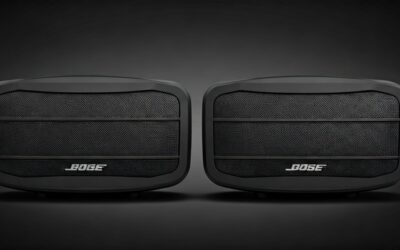
What are non powered speakers? Simply put, non-powered speakers (also known as passive speakers) are audio drivers that do not have a built-in amplifier. Unlike active speakers that plug directly into a wall outlet, non-powered speakers require an external integrated amplifier or AV receiver to provide the electrical power necessary to move the speaker cones and create sound.
In my decade of designing home theater systems, I’ve found that non-powered speakers are the gold standard for audiophiles who want total control over their sound signature. Because the amplification is external, you can swap out components to fine-tune the warmth, clarity, and “punch” of your audio. This guide will walk you through everything from basic definitions to the step-by-step process of setting up your first high-fidelity passive system.
TL;DR: Key Takeaways
- Definition: Non-powered speakers lack internal amplifiers and need an external power source.
- Connectivity: They connect via speaker wire (red/black terminals) rather than power cables or RCA/Aux inputs.
- Customization: You can mix and match different amplifiers and receivers to achieve a specific sound profile.
- Longevity: Without internal electronics that can overheat or fail, passive speakers often last 20–30 years.
- Setup Requirement: You must match the impedance (Ohms) and power handling (Watts) of the speaker to the amplifier.
Understanding the Core Components of a Passive System
To understand what are non powered speakers, you must first understand the ecosystem they live in. In an active speaker, the DAC (Digital-to-Analog Converter), preamp, and power amp are all crammed inside the wooden box. In a passive setup, these components are separated, which reduces electromagnetic interference and heat buildup.
The External Amplifier
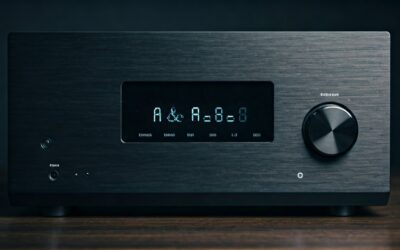
The amplifier is the heart of the system. It takes a low-level signal from your phone, turntable, or TV and boosts it into a high-voltage signal that can move the physical drivers in your non-powered speakers.
The Speaker Wire
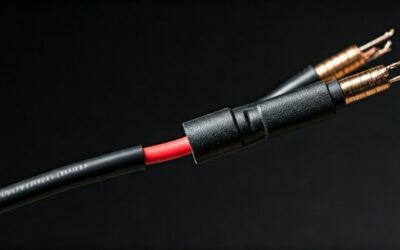
Standard copper speaker wire is the lifeblood of this setup. You won’t find proprietary power bricks here. Instead, you use 14-gauge or 16-gauge wire to bridge the gap between the “Out” terminals on your amp and the “In” terminals on your speakers.
The Crossover Network
Inside every non-powered speaker is a crossover. This is a circuit that “splits” the incoming audio signal, sending high frequencies to the tweeter and low frequencies to the woofer. Because this is a passive circuit, it relies entirely on the power coming from your external amp.
Passive vs. Active Speakers: A Comparison Table
| Feature | Non-Powered (Passive) Speakers | Powered (Active) Speakers |
|---|---|---|
| Internal Amp | No | Yes |
| Power Source | Via Speaker Wire from Amp | Standard Wall Outlet |
| Weight | Generally Lighter | Heavier (Due to built-in electronics) |
| Upgradability | High (Can swap amps anytime) | Low (Fixed internal components) |
| Cable Management | Requires speaker wire only | Requires power cable + signal cable |
| Common Use Case | Home Theater, Hi-Fi Listening | Studio Monitors, PC Speakers |
Step-by-Step Guide: How to Set Up Non-Powered Speakers
Setting up a passive system for the first time can be intimidating, but it is a rewarding DIY project. Follow these steps to ensure you don’t damage your equipment or create a “phase” issue.
Step 1: Choose Your Placement
Before touching a single wire, determine where your speakers will sit. For the best “stereo image,” I recommend placing your non-powered speakers at the points of an equilateral triangle relative to your seating position. Ensure they are at least 6 to 12 inches away from the back wall to prevent muddy bass.
Step 2: Measure and Cut Your Speaker Wire
Measure the distance from your amplifier to each speaker. Always add an extra 2–3 feet of slack for easier cable management.
- Pro Tip: Use 16-gauge wire for runs under 50 feet.
- Use 14-gauge wire for longer runs to prevent signal loss.
Step 3: Strip the Insulation
Using a wire stripper, remove about half an inch of the plastic jacket from the ends of the wire. This will reveal the copper strands. Twist the strands tightly so there are no “stray” hairs that could cause a short circuit.
Step 4: Connect to the Amplifier
Locate the binding posts on the back of your receiver.
- Unscrew the plastic cap.
- Insert the copper wire into the hole (or use banana plugs for a cleaner look).
- Crucial: Connect the Red (+) wire to the Red terminal and the Black (-) wire to the Black terminal.
Step 5: Connect to the Speakers
Repeat the process on the back of your non-powered speakers. Make sure the polarity matches exactly what you did at the amp. If you swap Red and Black on one side, your speakers will be “out of phase,” resulting in a total loss of bass and a hollow sound.
Step 6: Power On and Test
Turn the volume on your amplifier all the way down before hitting the power button. Slowly increase the volume to ensure both speakers are producing clear, balanced sound.
Matching Your Gear: Impedance and Wattage
One of the most common questions regarding what are non powered speakers involves technical compatibility. If you pair a massive 200W amplifier with tiny 20W speakers, you risk blowing the drivers. Conversely, an underpowered amp can “clip,” which is even more dangerous for your hardware.
Understanding Impedance (Ohms)
Most home audio speakers are rated at 8 Ohms. Some high-end models from brands like ELAC or MartinLogan operate at 4 Ohms.
- Rule of Thumb: Ensure your amplifier is rated to handle the Ohms of your speakers.
- An amp rated for 4 Ohms can easily power an 8-Ohm speaker.
An amp rated only* for 8 Ohms may overheat if forced to drive a 4-Ohm speaker.
Wattage and Sensitivity
Don’t just look at the “Max Watts” on the box. Look for RMS (Root Mean Square) Power. This tells you how much power the speaker can handle continuously.
- Sensitivity (dB): This tells you how loud a speaker gets with 1 watt of power.
- In my experience, a speaker with 90dB sensitivity is “efficient” and doesn’t need a massive amp to get loud.
- A speaker with 84dB sensitivity is “inefficient” and will require a much beefier integrated amplifier to sing.
Why Choose Non-Powered Speakers? (Expert Perspectives)
Why go through the trouble of external wires and amplifiers? As someone who has tested hundreds of configurations, the benefits of non-powered speakers usually outweigh the convenience of active ones for serious listeners.
Total Customization
When you buy a powered speaker, you are stuck with the manufacturer’s choice of DAC and amp. With non-powered speakers, you can pair Klipsch Reference speakers with a Marantz tube amp for a “warm” sound, or a Yamaha solid-state amp for a “clinical” and precise sound.
Simplified Repairs
If the internal amp in a powered speaker dies, the whole unit is often e-waste. If your external receiver fails, your non-powered speakers are still perfectly fine. You simply replace the receiver and keep the speakers you love.
No “Power Cord” Required
Passive speakers don’t need to be near an outlet. This is a game-changer for wall-mounted surround sound or ceiling speakers. You only need to run a thin speaker wire through the walls, which is much easier and safer than running 120V power lines.
Common Accessories for Passive Speaker Systems
To get the most out of your setup, consider these essential additions:
- Banana Plugs: These gold-plated connectors screw onto the end of your speaker wire. They provide a much more secure and “pro-looking” connection than bare wire.
- Isolation Pads: Placing your non-powered speakers on foam or rubber pads prevents vibrations from traveling into your desk or bookshelf, tightening the bass.
- Subwoofer: Since most passive bookshelf speakers struggle with sub-bass, adding a powered subwoofer to your receiver’s “Sub Out” port completes the frequency range.
- Speaker Stands: Getting your speakers to ear level is the single best free upgrade you can make for sound quality.
Frequently Asked Questions
Can I connect non-powered speakers directly to my TV?
No. Most TVs only have low-level outputs (Optical, HDMI ARC, or 3.5mm Jack). These do not provide enough power to move the drivers in non-powered speakers. You must connect the TV to an amplifier first, then connect the amp to the speakers.
Are non-powered speakers better than powered ones?
“Better” is subjective, but non-powered speakers are generally preferred for home theaters and audiophile listening rooms due to their longevity and modular nature. Powered speakers are often better for desktop setups or small apartments where space is limited.
How do I know if my speakers are non-powered?
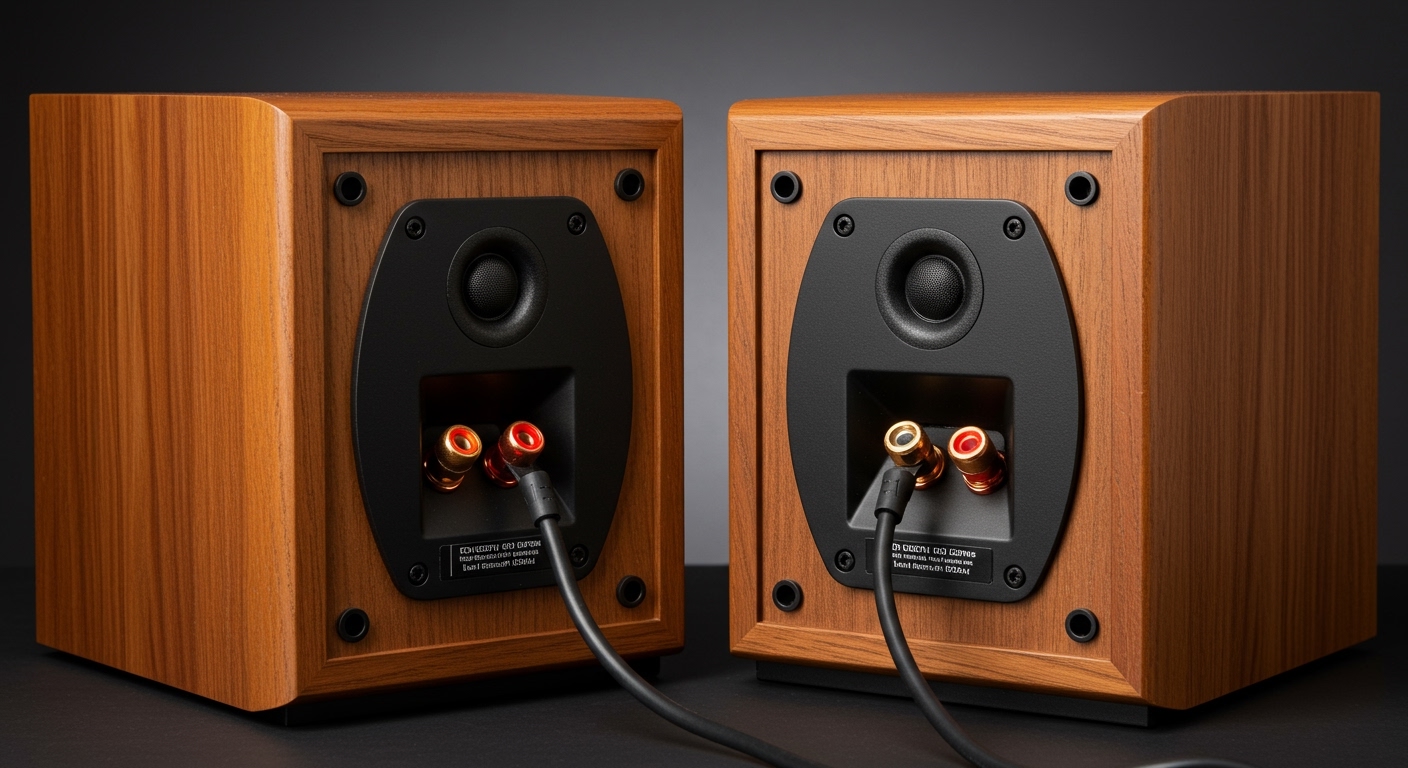
Look at the back of the speaker. If it has a power cord (like a lamp) or an On/Off switch, it is powered. If it only has two metal terminals (one Red, one Black) and no power cord, it is a non-powered speaker.
What happens if I use the wrong speaker wire?
Using wire that is too thin (like 22-gauge) over long distances will increase resistance. This results in your amplifier working harder, getting hotter, and your speakers sounding “thin” or losing high-frequency detail. Always stick to 16-gauge or thicker for the best results.
Can I turn non-powered speakers into wireless speakers?
Yes, but you need a wireless amplifier like a Sonos Amp or a WiiM Amp. These devices receive audio via Wi-Fi or Bluetooth and then use their internal circuitry to power your non-powered speakers through traditional wires.