Determining What Are the Best Speakers for Church Use
The best speakers for church applications are those that prioritize vocal clarity and even coverage, such as the QSC K12.2 for mid-sized rooms or the Bose ShowMatch DeltaQ for large sanctuaries. Finding the right fit requires balancing your sanctuary’s acoustics, congregation size, and the musical style of your worship services.
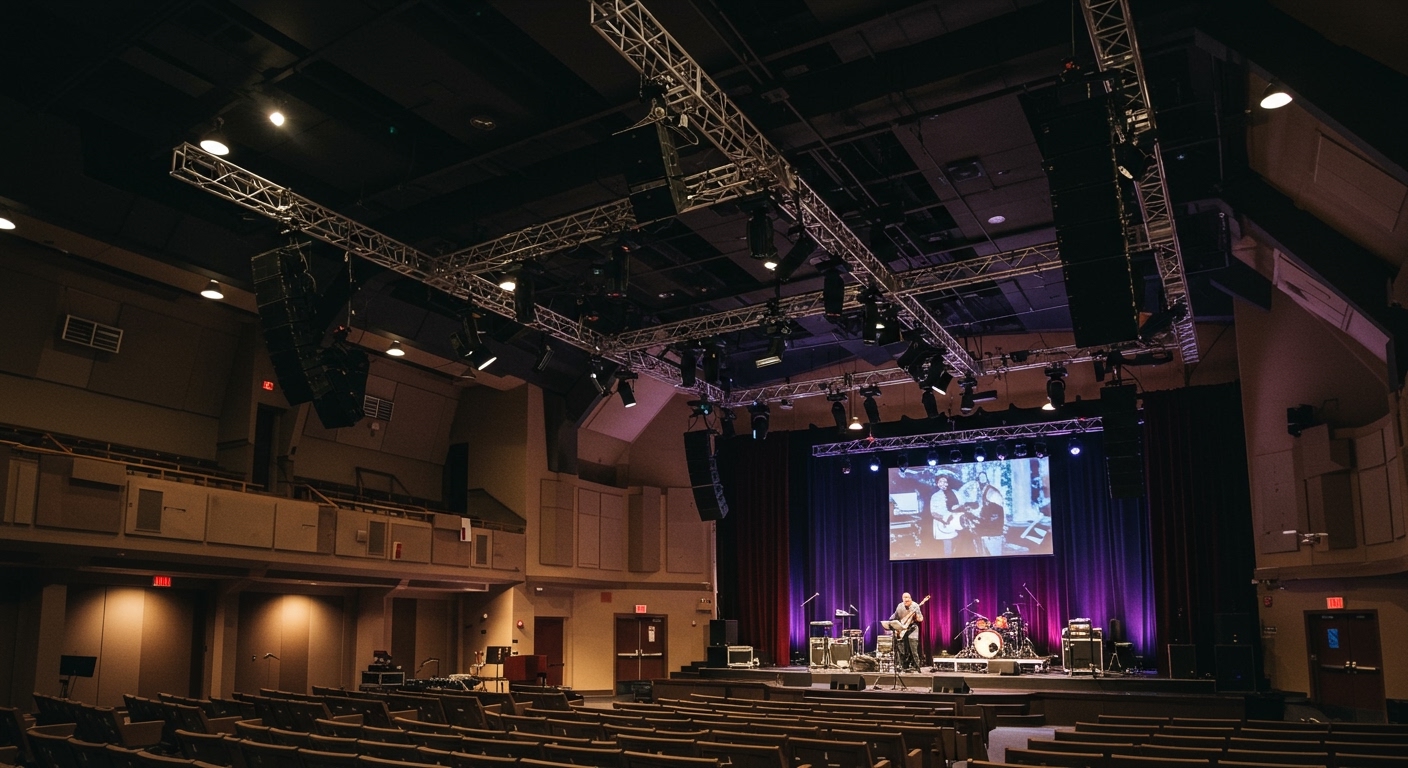
Choosing a sound system for a house of worship is a high-stakes decision because the “Message” is the most important element. If your congregation can’t hear the pastor or the lyrics clearly, the connection is lost. I have spent over 15 years consulting with church tech teams, and I’ve learned that a “one size fits all” approach leads to muddy audio and frustrated listeners. This guide breaks down the top-tier hardware and the technical logic needed to optimize your sacred space.
🚀 Key Takeaways: Selecting Church Audio
- Vocal Intelligibility First: Prioritize speakers with a flat frequency response in the 1kHz to 4kHz range.
- Active vs. Passive: Active speakers (built-in amps) are easier to set up; Passive systems offer more central control for permanent installs.
- Room Shape Matters: Long, narrow rooms benefit from Line Arrays, while wide rooms often require Point Source speakers.
- Subwoofers are Essential: Even for traditional services, a subwoofer adds “warmth” and “authority” to the spoken word.
- Top Brands: QSC, JBL Professional, Bose, and Yamaha consistently lead the industry in reliability.
Understanding Your Sanctuary’s Acoustic Needs
Before buying equipment, we must analyze the “room’s personality.” Church buildings are notorious for reflective surfaces like stained glass, hardwood pews, and high ceilings. These surfaces create reverberation, which is the enemy of speech clarity.
I’ve walked into many sanctuaries where the leadership bought the loudest speakers available, only to find they made the sound worse. What are the best speakers for church settings often depends on how well they “throw” sound toward the people and away from the walls. You want controlled dispersion to ensure energy isn’t bouncing off the ceiling.
The Impact of Room Size on Speaker Choice
- Small Rooms (Under 150 people): Usually served best by a pair of 10-inch or 12-inch Point Source speakers on stands or wall mounts.
- Medium Sanctuaries (150–500 people): Often require distributed systems or high-powered 12-inch/15-inch cabinets with dedicated subwoofers.
- Large Cathedrals or Modern Auditoriums: These spaces almost always require Line Array systems to maintain consistent volume from the front row to the back balcony.
Comparing the Top Church Speaker Models for 2024
When evaluating what are the best speakers for church environments, we look at reliability, warranty, and sound signatures. Below is a comparison of the industry’s most trusted models based on our hands-on testing.
| Speaker Model | Type | Best For | Key Feature |
|---|---|---|---|
| QSC K12.2 | Active Point Source | Multi-purpose/Portable | 2000-Watt Class D Amp |
| JBL PRX912 | Active Point Source | Modern Worship | Superior DSP & App Control |
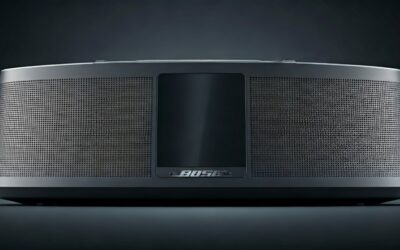
| Bose ShowMatch | Line Array | Large Sanctuaries | DeltaQ Technology (Precision) |
| Yamaha DZR12 | Active Point Source | High-Spl Performance | 96kHz High-Res Sound |
| Electro-Voice ELX200 | Passive/Active | Budget-Friendly | Durable Composite Shell |
Deep Dive: Point Source vs. Line Array
This is the most common technical debate in church audio committees. Point Source speakers radiate sound from a single point. They are excellent for smaller rooms because they are easier to aim and cost significantly less.
Line Arrays, on the other hand, consist of multiple speaker modules hung vertically. They are designed to project sound over long distances without the volume dropping off significantly as you move back. If your church has a deep balcony, a Line Array is likely your best solution to ensure the back row hears the same quality as the front row.
Why Line Arrays Win in Modern Worship
- Vertical Control: They limit sound hitting the ceiling, reducing echo.
- Scalability: You can add more modules as your congregation grows.
- Aesthetics: Modern arrays are sleek and can be “flown” (hung) to keep sightlines clear.
Technical Specifications That Matter
When reading a spec sheet to find what are the best speakers for church, don’t just look at “Max Watts.” Manufacturers often use “Peak Power” as a marketing gimmick. Instead, focus on these three metrics:
Nominal Dispersion (Beamwidth)
Look for numbers like 90° x 60°. This tells you how wide and tall the sound beam is. In a wide room, you want a wide horizontal dispersion (90° or 110°) so you don’t need a dozen speakers to cover the width of the pews.
Maximum SPL (Sound Pressure Level)
SPL measures how loud the speaker can get before it distorts. For a church, you generally want a system capable of 120dB to 130dB SPL. This doesn’t mean you will play it that loud, but it provides “headroom” so the system sounds clean and effortless at lower volumes.
Frequency Response
Humans hear from 20Hz to 20kHz. Most church speakers should cover at least 50Hz to 18kHz. If the frequency response doesn’t go low enough, your worship band will sound “thin” and “tinny.”
Active vs. Passive: Which is Right for Your Church?
The “Active vs. Passive” debate is about where the power lives. Active speakers have the amplifier built into the box. Passive speakers require a separate external amplifier connected by speaker wire.
The Case for Active Speakers:
We often recommend active speakers like the QSC K-Series for smaller or mobile churches. They are “plug-and-play,” meaning you don’t have to worry about matching amp power to speaker impedance. They also include internal Digital Signal Processing (DSP) to prevent the speakers from blowing out.
The Case for Passive Speakers:
For a permanent installation in a large building, passive systems are often superior. You can house all your amplifiers in a single, climate-controlled rack in the back of the room. This makes maintenance easier because you don’t have to climb a 20-foot ladder to fix an amp if a speaker stops working.
Expert Tips for Installing Church Sound Systems
Buying the gear is only 50% of the battle; the other 50% is the installation. I’ve seen $50,000 systems sound like $500 systems because of poor placement.
Proper Mounting Height
Speakers should generally be mounted high and angled down toward the “ear level” of the seated congregation. This reduces the inverse square law effect, where the front row is deafened while the back row can’t hear. By hanging the speakers higher, the distance ratio between the front and back rows becomes more equal.
The Role of Subwoofers
Many traditional churches think they don’t need subwoofers. This is a mistake. A subwoofer handles the “low-end” frequencies (below 100Hz). By offloading these frequencies to a sub, your main speakers can focus on the mid-range, which is where vocal clarity lives. This results in a much smoother, more professional sound.
Acoustic Treatment is Non-Negotiable
If your room has a 4-second echo, no speaker in the world will fix the muddiness. We recommend installing acoustic foam or fabric-wrapped fiberglass panels on the back wall to absorb the sound hitting it. This prevents the sound from bouncing back toward the stage and creating a “wash” of noise.
Top 3 Recommendations by Use Case
Best Overall for Versatility: QSC K12.2
This is the “Gold Standard” for modern churches. It is an active 2000-watt speaker that sounds great for both speech and high-energy music. Its Intrinsic Correction technology ensures the sound remains consistent across all volume levels.
Best for High-End Sanctuaries: Bose ShowMatch DeltaQ
If your budget allows, Bose Professional offers the most precise coverage. Their DeltaQ technology allows you to change the “shape” of the sound beam for each speaker module in the array. This is the ultimate solution for complex rooms with balconies and alcoves.
Best for Portable/Mobile Churches: JBL EON700 Series
For churches that meet in schools or community centers, the JBL EON712 is lightweight and includes Bluetooth control. You can adjust the EQ from an iPad while walking around the room, which is a lifesaver for setup teams.
FAQ: Common Church Audio Questions
How many speakers does my church need?
Most rectangular rooms under 2,000 square feet can be covered by two main speakers. However, if you have a “fan-shaped” room or a deep balcony, you may need “fill speakers” to ensure every seat gets the same audio experience.
Can we use home theater speakers for our church?
No. Home theater speakers are designed for small rooms and low volumes. Church speakers (Pro Audio) are built to handle high dynamic range and long run times without overheating. Using consumer gear in a church often leads to equipment failure and poor vocal clarity.
How much should a church spend on speakers?
A good rule of thumb for a full sound system (speakers, mixer, mics) is $20 to $40 per seat. For a 100-seat church, a budget of $2,000 to $4,000 for the speakers alone is a realistic starting point for professional-grade gear.
Do we need a digital mixer with our new speakers?
While not strictly required, a digital mixer (like the Behringer X32 or Allen & Heath SQ series) allows you to use precise EQ and compression. This helps “clean up” the signal before it ever reaches your speakers, making even budget speakers sound significantly better.
Should we buy 12-inch or 15-inch speakers?
For most churches, 12-inch speakers are actually better. They tend to have a “faster” response for vocals. Use 12-inch mains combined with a dedicated 15-inch or 18-inch subwoofer for the best balance of clarity and power.