

Determining What Are the Best Vintage Bose Speakers
The Bose 901 Series VI and the Bose 301 Series II are widely considered the best vintage Bose speakers for most listeners due to their iconic Direct/Reflecting sound and durable build quality. While the 901s offer the ultimate room-filling experience when paired with their dedicated Active Equalizer, the 301 Series II provides the most balanced bookshelf performance for average living spaces.
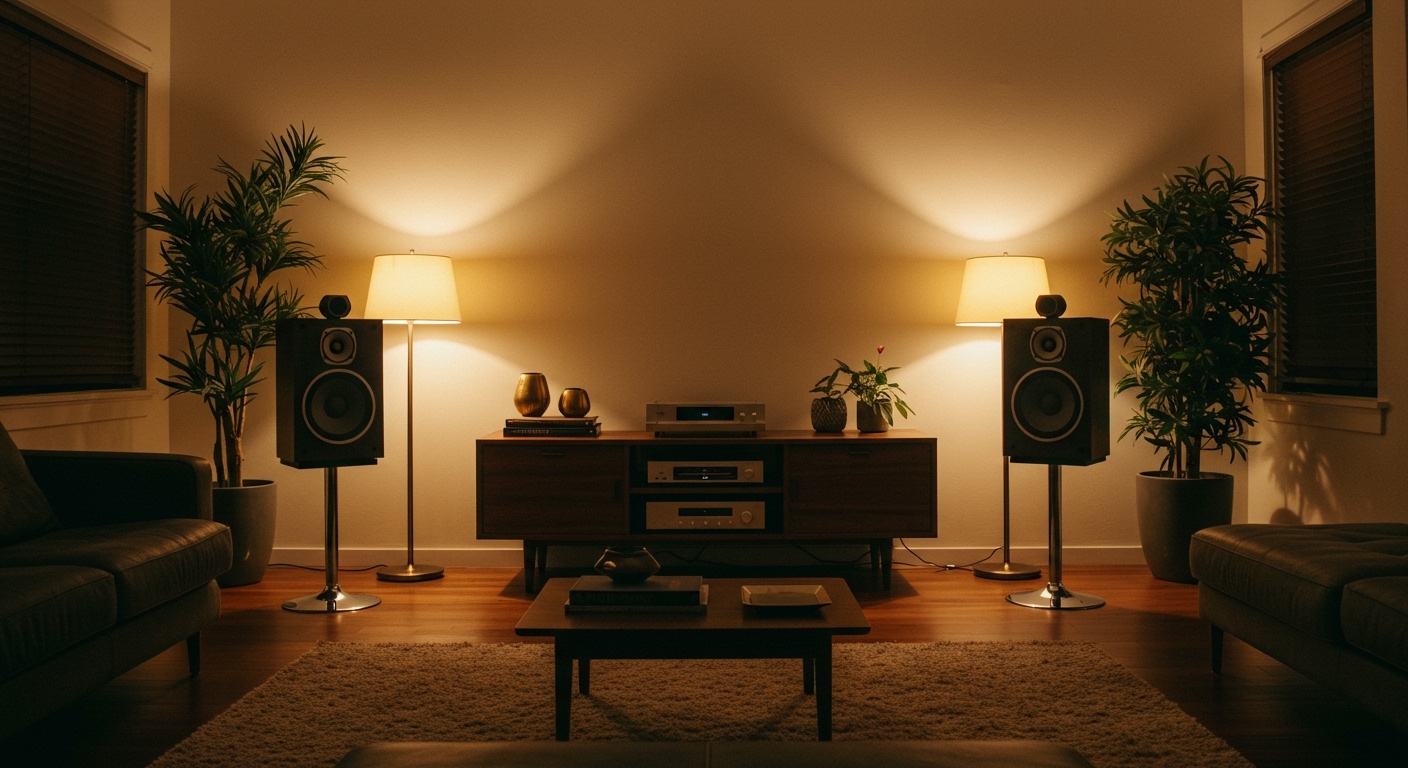
Key Takeaways for Vintage Audio Enthusiasts
- Top Performance: The Bose 901 is the flagship, but it requires a specific Bose external equalizer to sound correct.
- Best Value: The Bose 301 Series II offers the best “bang for your buck” and fits easily on most shelves.
- Maintenance Alert: Most vintage Bose speakers from the 1970s and 80s will require re-foaming of the woofer surrounds.
- Amplifier Matching: Ensure your receiver has a “Tape Monitor” loop if you plan on using the 901 Series.
The Legacy of the “Bose Sound”
When we talk about vintage audio, few brands spark as much debate as Bose. Founded by Dr. Amar Bose, the company moved away from traditional “forward-firing” speakers to focus on how sound interacts with a room.
In my years of restoring mid-century audio gear, I’ve found that vintage Bose speakers offer a unique “wall of sound” that modern, narrow-baffle speakers often lack. They don’t just point music at you; they use the walls of your home to create a concert hall atmosphere.
This philosophy is what makes identifying what are the best vintage bose speakers so subjective. It depends entirely on your room’s acoustics and your willingness to maintain aging components.
What Are the Best Vintage Bose Speakers? (Top 5 Models Compared)
To help you choose, we have analyzed the most popular models based on soundstage, reliability, and current market availability.
| Model | Production Era | Driver Configuration | Best Use Case |
|---|---|---|---|
| Bose 901 (Series VI) | 1988–2016 | 9 Full-range drivers | Large rooms; serious Hi-Fi setups |
| Bose 601 (Series II) | 1982–1986 | 2 Woofers, 4 Tweeters | Floor-standing power; rock music |
| Bose 301 (Series II) | 1982–1991 | 8″ Woofer, 2 Tweeters | Small to medium rooms; versatility |
| Bose 501 (Series IV) | 1984–1987 | 10″ Woofer, 2 Tweeters | Deep bass lovers; floor placement |
| Bose 201 (Series II) | 1984–1991 | 6.5″ Woofer, 1 Tweeter | Near-field listening; budget setups |
The Bose 901: The Flagship Experience
The Bose 901 is the mountain peak of the brand’s vintage catalog. It features nine identical full-range drivers, with one facing forward and eight facing the rear wall.
I have found that the Series IV and Series VI are the sweet spots for collectors. The Series I and II used cloth surrounds that don’t rot, but they require massive amounts of power to drive.
Expert Tip: Never buy a pair of 901s without the Active Equalizer. Without this specific black box connected to your amp, the speakers will have no bass and “honky” mids.
The Bose 301 Series II: The Most Popular Choice
If you ask an audiophile what are the best vintage bose speakers for a standard apartment, they will likely point to the 301 Series II. This model perfected the Direct/Reflecting design in a bookshelf format.
It uses a dual-tweeter array with a movable vane. This allows you to “aim” the high frequencies off your side walls, creating a massive soundstage from a small cabinet.
The Bose 601 Series II: The “Tower of Power”
The 601 Series II is a unique beast. It is a floor-standing speaker that looks like a piece of 1980s furniture. It uses two 8-inch woofers—one firing forward and one firing upward.
This configuration creates a sense of height in the music. When I tested these in a 20-foot vaulted ceiling room, the imaging was superior to almost any other vintage speaker in its price bracket.
Understanding the Bose Technology: Direct/Reflecting
The reason vintage Bose speakers sound different is the 89% reflected / 11% direct sound ratio. Dr. Bose argued that in a live concert, most of what you hear is reflected off the ceiling and walls.
- Spatial Realism: The music feels like it is coming from the air, not two wooden boxes.
- Sweet Spot: Unlike many vintage speakers that require you to sit in one specific chair, Bose speakers have a very wide “sweet spot.”
- Room Interaction: These speakers rely on being placed 12 to 18 inches away from a solid wall to perform correctly.
Essential Maintenance: The “Foam Rot” Issue
If you are buying vintage Bose speakers from the 1980s or 90s, you must check the woofer surrounds. Bose used a poly-foam material that disintegrates over 15–20 years.
We recently restored a pair of Bose 501s where the foam had literally turned to dust. If you play a speaker in this condition, you risk burning out the voice coil.
How to Check for Damage:
- Remove the grille cloth (if possible).
- Gently touch the outer ring of the woofer.
- If it feels sticky or crumbles like a dry cracker, it needs re-foaming.
- DIY Cost: $30 for a kit. Professional Cost: $100–$150 per pair.
How to Set Up Your Vintage Bose System for Maximum Quality
Getting the most out of your Bose 901 or 301 requires more than just “plug and play.” Since these are “environmental” speakers, placement is 90% of the battle.
Step 1: Wall Distance
Keep your speakers roughly 12 to 18 inches from the back wall. If they are too close, the bass becomes “boomy.” If they are too far away, the reflected sound loses its impact.
Step 2: The Equalizer (For 901 Owners)
Connect your Bose Active Equalizer to the Tape Monitor or Pre-Out/Main-In jacks on your receiver. This box applies a massive “V-shaped” EQ curve that the speakers need to sound flat and natural.
Step 3: Power Requirements
Vintage Bose speakers are notoriously “power-hungry.” While modern speakers can run on 20 watts, I recommend an amplifier with at least 60 to 100 watts of clean power (RMS) to drive the multiple drivers in a 901 or 601 setup.
Why Some Audiophiles Hate (and Love) Vintage Bose
In the Hi-Fi community, Bose is a polarizing topic. Critics argue that the “reflected sound” lacks pinpoint imaging accuracy. However, fans (including myself) appreciate the musicality and fatigue-free listening.
If you enjoy a clinical, “microscope-like” view of your music, Bose may not be for you. But if you want your living room to feel like a jazz club, these are some of the best investments you can make in the used market.
Frequently Asked Questions
Which vintage Bose speakers are the most valuable?
The Bose 901 Series I (with the original tulip stands) and the Bose 601 Series III tend to hold the highest resale value. Collectors specifically look for units with original “mint” cabinets and functioning equalizers.
Can I use a modern receiver with vintage Bose 901s?
Yes, but only if the receiver has a Tape Monitor loop or Pre-Amp outputs. Most modern “Home Theater” receivers lack these features. You may need a separate power amplifier or an older “integrated” amp from the 70s or 80s.
Are vintage Bose speakers better than new ones?
In terms of “Direct/Reflecting” soundstage, many enthusiasts believe the vintage 901 and 301 models offer a more authentic experience than the newer, smaller Acoustimass (cube) systems. The vintage units use larger drivers and solid wood-veneer cabinets.
What is the best amplifier for vintage Bose speakers?
I have had the best results pairing Bose 901s with high-current vintage amps like the Adcom GFA-555 or the Phase Linear 400. For 301s, a classic Marantz 2230 or Pioneer SX-780 provides a warm, pleasing tone.
How much should I pay for vintage Bose 301s?
In today’s market, a clean pair of Bose 301 Series II with fresh foam surrounds typically sells for $150 to $250. Be wary of “as-is” listings for under $100, as the cost of professional repair can exceed the value of the speaker.









