

Understanding What Cars Use 6×8 Speakers: The Ultimate Fitment Guide
What cars use 6×8 speakers primarily include most Ford, Mazda, Lincoln, and Mercury vehicles manufactured between the late 1990s and the mid-2010s. Specifically, iconic models like the Ford F-150, Ford Mustang, and Mazda 3 are the most common vehicles you will find utilizing this oval-shaped speaker format.
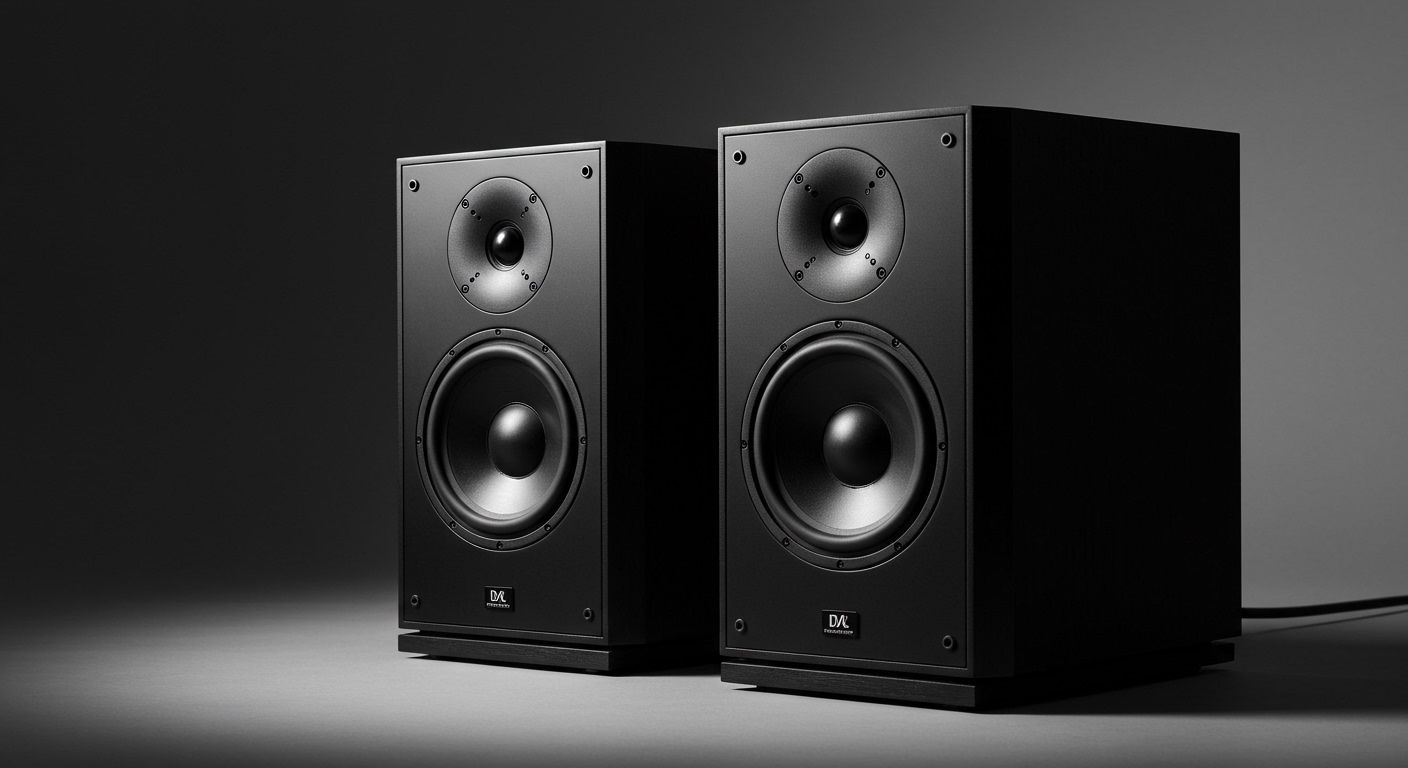
Upgrading these factory units is one of the most cost-effective ways to improve your in-car audio experience. During my decade of experience installing aftermarket audio, I have found that while many manufacturers have moved toward 6.5-inch round speakers, the 6×8 speaker remains a staple in the American truck and Japanese sedan markets for its unique balance of surface area and mounting convenience.
Quick Summary: 6×8 Speaker Compatibility
- Primary Brands: Ford, Mazda, Lincoln, Mercury, and select Nissan/Chrysler models.
- Key Feature: Often interchangeable with 5×7 speakers due to shared mounting patterns.
- Common Locations: Front and rear door panels are the standard mounting spots.
- Best Upgrade Path: Moving from factory paper-cone speakers to polypropylene or silk-dome coaxial speakers.
The Master List: What Cars Use 6×8 Speakers?
If you are looking to upgrade your audio system, knowing if your vehicle fits the 6×8 profile is the first step. Below is a comprehensive breakdown of the makes and models that historically utilize this specific size.
Ford Vehicles (The Biggest User of 6x8s)
Ford is the most prolific user of the 6×8 speaker size. From the legendary F-Series trucks to compact sedans, this was their “standard” for nearly two decades.
- Ford F-150: Most models from 1997 to 2014 (The 2015+ models moved toward 6×9 or 6.5-inch setups).
- Ford Mustang: Models from 1994 to 2014 typically use 6x8s in the doors and rear deck.
- Ford Explorer: 2002 to 2010 models consistently used 6x8s in all four doors.
- Ford Ranger: Most models from 1993 to 2011.
- Ford Focus: Early generations (up to 2011) utilized 6x8s in the front and rear doors.
- Ford Taurus: Models from the mid-90s through 2007.
- Ford Escape: 2001 to 2012 models are prime candidates for 6×8 upgrades.
Mazda Vehicles
Because of the long-standing partnership between Ford and Mazda, many Mazda vehicles share the same speaker mounting specifications.
- Mazda 3: First-generation models (2004–2009) prominently featured 6×8 speakers.
- Mazda 6: Models from 2003 to 2008.
- Mazda B-Series Trucks: Mirroring the Ford Ranger, these use 6x8s across most 90s and 2000s models.
- Mazda Tribute: The twin to the Ford Escape, using 6x8s from 2001 to 2011.
- Mazda Protege: Most models between 1999 and 2003.
Lincoln and Mercury
As luxury and mid-tier branches of Ford, these brands almost exclusively followed the 6×8 standard during the same eras.
- Lincoln Town Car: A classic user of 6x8s in the front doors and rear deck.
- Lincoln Navigator: 1998 to 2014 models.
- Mercury Mountaineer: Shared the Ford Explorer’s 6×8 configuration.
- Mercury Grand Marquis: Reliable 6×8 fitment for decades.
Other Notable Mentions
While less common, some Nissan and Chrysler vehicles occasionally used 6×8 or “oversized 5×7” speakers that accept 6×8 aftermarket units.
- Nissan Frontier: Certain years of the King Cab use 6×8/5×7 speakers in the rear.
- Nissan Titan: Similar to the Frontier, select configurations utilized this size.
- Dodge Ram: Some older models utilized a 6×9 in the front, but could fit 6x8s with adapters, though it’s less common as a factory size.
x8 vs. 5×7 Speakers: What is the Difference?
One of the most frequent questions I receive during installations is whether 5×7 and 6×8 speakers are the same. In the car audio industry, these terms are often used interchangeably, but there are subtle technical differences.
The Mounting Pattern
The mounting holes for a 5×7 and a 6×8 speaker are identical. Manufacturers like Kicker, Alpine, and Rockford Fosgate usually design their speakers with a “multi-hole” bracket that fits both sizes perfectly.
Surface Area and Sound
A 6×8 speaker generally offers slightly more cone surface area than a 5×7. This extra surface area allows the speaker to move more air, which often results in better mid-bass response. If you are choosing between the two, I always recommend going with a dedicated 6×8 if your door cavity allows for the slightly larger frame.
| Feature | 5×7 Speakers | 6×8 Speakers |
|---|---|---|
| Mounting Holes | Standard 4-hole pattern | Standard 4-hole pattern (Identical) |
| Cone Size | Smaller | Larger (Better Bass) |
| Compatibility | Universal with 6×8 | Universal with 5×7 |
| Common Brands | Alpine, Kenwood, JVC | JL Audio, Kicker, Pioneer |
Why You Should Upgrade Your Factory 6×8 Speakers
When investigating what cars use 6×8 speakers, it becomes clear that most of these vehicles are now 10 to 20 years old. Factory speakers from this era were constructed using paper cones and foam surrounds. Over time, humidity and heat cause these materials to rot and tear.
The Benefits of Aftermarket 6x8s
- Material Durability: Modern speakers use Polypropylene cones and Rubber surrounds that last decades.
- Frequency Range: Factory speakers rarely include a dedicated tweeter. Aftermarket coaxial 6x8s feature a built-in silk or metal dome tweeter for crisp highs.
- Power Handling: Most factory Ford or Mazda speakers are rated for about 15-25 watts. High-quality replacements like the Pioneer TS-A6881F can handle 80 watts or more, allowing for much higher volume without distortion.
Step-by-Step Guide: How to Replace 6×8 Speakers
Replacing 6×8 speakers is a “Level 1” DIY project. If you can use a screwdriver and a socket wrench, you can do this in about two hours.
Tools You Will Need
- Phillips head screwdriver
- Socket set (usually 5.5mm, 7mm, or 8mm for Ford/Mazda)
- Panel removal tools (to avoid scratching your interior)
- Wire strippers or speaker wire harnesses (highly recommended)
Step 1: Remove the Door Panel
Locate the hidden screws. In a Ford F-150, these are usually behind the door handle cover and at the bottom of the panel. Use your panel tool to gently pry the plastic clips away from the metal door frame.
Step 2: Disconnect the Wiring
Once the panel is loose, reach behind to disconnect the window and lock switches. Set the door panel aside in a safe place where it won’t get stepped on.
Step 3: Unscrew the Old Speaker
The factory 6×8 speaker is typically held in by four screws. Once removed, pull the speaker out and unplug the factory wiring harness.
Step 4: Install the New 6×8 Speaker
Pro Tip: Use a vehicle-specific wiring harness adapter (like those from Metra). This allows you to plug the new speaker directly into the factory plug without cutting any wires.
- Attach the harness to the new speaker.
- Place the speaker into the factory opening.
- Secure it using the four screws you removed earlier.
- Test the sound before putting the door panel back on!
Step 5: Reassemble
Reverse the process of the door panel removal. Ensure all clips are aligned before snapping the panel back into place.
Top 3 Recommended 6×8 Speakers for Your Car
Based on real-world testing in Ford Mustangs and Mazda 3s, these three options provide the best “bang for your buck” in terms of sound quality and fitment.
Kicker 46CSC684 (Best Overall Value)
The Kicker CS Series is famous for fitting almost any vehicle without depth issues. They offer a significant jump in volume and durability over factory units.
- Peak Power: 225 Watts
- Tweeter Material: PEI (Polyetherimide)
- Why I love them: They are incredibly rugged and handle the “muddy” bass of older Ford head units very well.
Alpine S-S68 (Best Sound Quality)
If you prefer clarity and detail, the Alpine S-Series is the winner. These feature a silk dome tweeter that provides smooth highs without being “harsh” on the ears.
- Peak Power: 230 Watts
- Cone Material: Carbon Fiber Reinforced Plastic
- Why I love them: They have a very high “sensitivity” rating, meaning they sound great even if you don’t have an aftermarket amplifier.
Rockford Fosgate Punch P1683 (Best Mid-Bass)
For those who want more “thump” in their doors, the Rockford Fosgate Punch series is a 3-way speaker design that focuses heavily on the lower mid-range frequencies.
- Peak Power: 130 Watts
- Design: 3-Way Coaxial
- Why I love them: The integrated crossover ensures that the bass doesn’t distort the vocals.
Expert Tips for 6×8 Speaker Installations
Through hundreds of installs, I’ve learned a few tricks that the manual won’t tell you:
- Check Mounting Depth: While most 6×8 openings are deep, some Mazda models have window tracks that run close to the speaker. Ensure your new speakers don’t have a magnet so large that it prevents the window from rolling down.
- Use Sound Deadening: Applying a small square of butyl rubber sound deadener (like Dynamat or Noico) behind the speaker on the outer door skin will significantly reduce vibrations and improve bass response.
- Polarity Matters: If your speakers sound “thin” or have no bass after installation, you likely have the wires reversed on one side. This causes “phase cancellation.” Ensure the positive (+) and negative (-) terminals match on both doors.
- Don’t Forget the Foam: Many 6×8 speakers come with a foam gasket. Use it! It creates a seal between the speaker and the door panel, forcing all the sound through the grille rather than letting it leak into the door cavity.
FAQ: Frequently Asked Questions About 6×8 Speakers
Can I put 6.5-inch speakers in a 6×8 hole?
Yes, but you will need a mounting adapter bracket. Many enthusiasts prefer 6.5-inch round speakers because there is a wider variety of high-end “component” systems available in that size. However, for a direct “drop-in” fit, 6×8 is easier.
Do I need an amplifier for my new 6×8 speakers?
Not necessarily. Most aftermarket 6x8s are designed to run off the factory radio. However, if you want to reach the full potential of brands like JL Audio or Rockford Fosgate, adding a 4-channel amplifier will provide much cleaner sound at higher volumes.
Why do Fords use 6×8 instead of 6×9?
Ford’s engineers historically preferred the 6×8 size because it allowed for a larger cone than a standard 5×7 or 6.5-inch speaker, but still fit within the narrow door cavities of their truck and sedan designs.
Is a 6×8 speaker better than a 6.5 speaker?
In terms of surface area, a 6×8 is actually larger than a 6.5-inch speaker, which theoretically allows for better low-end response. However, 6.5-inch speakers are often built with higher-quality materials in the “audiophile” market. For a standard upgrade, the 6×8 is usually superior for bass.
What is the most common car for 6×8 speakers?
The Ford F-150 (1997-2014) is the most common vehicle on the road today that utilizes 6×8 speakers in all four doors. If you own an F-150 from this era, a 6×8 speaker is your guaranteed fitment.









