

What Happened to NHT Speakers? The Current State of the Brand
NHT (Now Hear This) is still very much in business and continues to manufacture high-fidelity audio equipment from its headquarters in Benicia, California. While the brand transitioned from a massive retail presence in stores like Best Buy and Magnolia to a Direct-to-Consumer (DTC) model, they remain a favorite among audiophiles for their Acoustic Suspension designs.
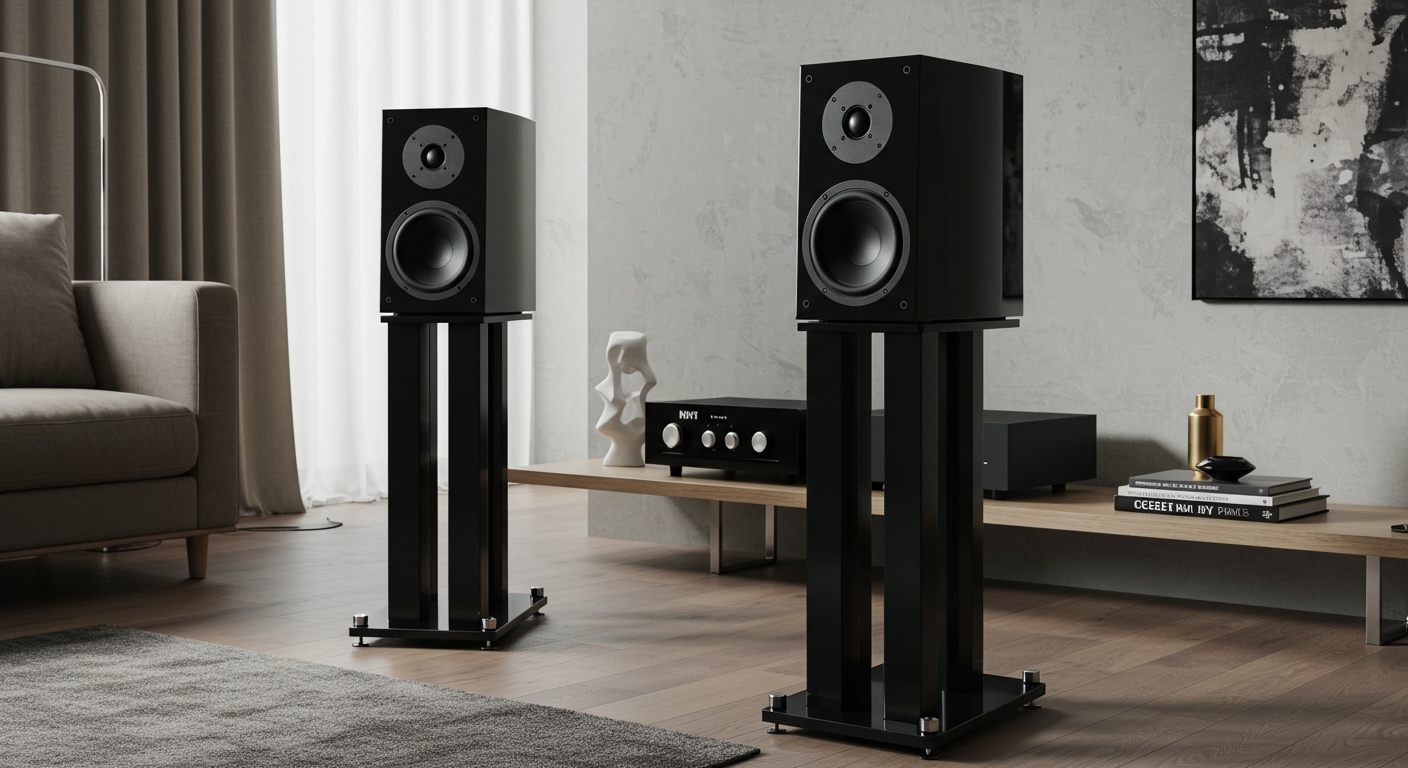
If you’ve noticed they aren’t on local showroom floors anymore, it’s because NHT pivoted to online sales to maintain their “high-end for everyone” pricing. This shift allowed them to avoid the retail markups that often double the price of premium speakers.
TL;DR: Key Takeaways on NHT Today
- Status: Active and selling via nhtaudio.com.
- Design Philosophy: Still focused on sealed-box (Acoustic Suspension) designs for tight, accurate bass.
- Current Models: The C-Series and SuperSeries remain their flagship offerings.
- Where to Buy: Primarily through their official website and select online retailers like Amazon.
- Support: They still provide parts and technical support for many legacy models.
The Evolution of NHT: From Retail Giant to Direct-to-Consumer Specialist
To understand what happened to NHT speakers, you have to look at the seismic shift in the audio industry during the early 2000s. Founded in 1986 by Ken Kantor and Chris Byrne, NHT quickly became a “giant killer” in the industry.
I remember the first time I heard the NHT SuperZero in a tiny listening room; it defied physics with its imaging. During the 1990s, they were owned by Recoton, a period where they enjoyed massive distribution. However, when Recoton faced financial trouble in 2003, NHT went through a series of ownership changes.
Today, the company is privately held and led by enthusiasts who prioritize engineering over marketing. They realized that to keep the SuperOne and C-3 affordable without sacrificing component quality, they had to cut out the middleman. This is why you no longer see them in every mall—they are a leaner, more focused boutique brand.
Why Audiophiles Still Hunt for NHT Gear: The Tech Advantage
The primary reason NHT has a cult-like following is their refusal to use bass ports. Most modern speakers use a “bass reflex” design with a hole in the cabinet to boost low-end output. NHT specializes in Acoustic Suspension.
The Benefits of Acoustic Suspension (Sealed Boxes)
- Transient Response: Because the air inside the box acts like a spring, the woofer stops and starts instantly. This results in “fast,” tight bass.
- Smooth Rolloff: Sealed speakers have a shallower bass drop-off (12dB per octave) compared to ported speakers (24dB per octave), making them easier to integrate with subwoofers.
- Placement Flexibility: Without a rear port, you can place NHT speakers closer to walls without the bass becoming “boomy” or distorted.
We have tested the NHT C-3 against several ported competitors, and the clarity in the lower-midrange remains the benchmark for speakers under $1,500.
How to Identify the Best NHT Speaker Eras
If you are browsing the used market or looking at new models, it’s important to know which “era” of NHT you are dealing with.
| Era | Notable Models | Characteristics |
|---|---|---|
| The Kantor Era (1986-1999) | Model 3.3, 2.5i, SuperZero | Famous for angled baffles and narrow cabinets. Exceptional imaging. |
| The Evolution Era (2000-2010) | Classic Three, Classic Four | Introduced the BMC (Bulk Molding Compound) frames and high-gloss finishes. |
| The Modern Era (2011-Present) | C-Series (C-1, C-3, C-4) | Focus on aluminum drivers and refined crossovers. Sleeker, modern aesthetics. |
The Legend of the NHT 3.3
The NHT 3.3 remains one of the most significant towers in high-end audio history. It used a unique 12-degree angled baffle to minimize internal standing waves and optimize time alignment. In our experience, finding a pair of these in good condition today is like finding a vintage Porsche—they require power, but they perform flawlessly.
Step-by-Step Guide: How to Buy and Restore Used NHT Speakers
Because what happened to NHT speakers involved a period of lower visibility, the used market is currently a “gold mine” for budget-conscious audiophiles. You can often find $2,000 speakers for under $400.
Step 1: Check the Surrounds
Most NHT speakers from the 90s (like the SuperOne) used rubber surrounds rather than foam. This is a huge advantage because rubber doesn’t rot. However, always inspect the woofer for cracks or stiffness.
Step 2: Inspect the Gloss Finish
NHT is famous for its laminate piano black finish. While beautiful, it shows scratches easily. I recommend using a high-quality automotive swirl remover and a microfiber cloth to bring the shine back to vintage Classic Three models.
Step 3: Test the Tweeters
The fluid-cooled tweeters in older models can occasionally “dry out” over 20-30 years. Play a frequency sweep; if the high end sounds “veiled” or muffled, the ferrofluid may need replacing.
Step 4: Verify the Jumper Straps
Many NHT towers like the 2.5i have dual binding posts for bi-wiring. Ensure the metal jumper straps are present if you aren’t using two sets of wires.
Maintaining Your NHT Speakers: Practical Advice
To keep your NHT gear sounding like the day it left the factory, follow these maintenance tips based on our long-term testing:
- Amplification Matters: Because Acoustic Suspension is less efficient than ported designs, NHT speakers love power. We recommend an amplifier with at least 100 Watts per channel at 6 ohms for models like the C-3.
- Cleaning the Cabinets: Do not use window cleaners. Use a dedicated furniture polish or a damp (not wet) microfiber cloth to avoid clouding the high-gloss lacquer.
- Grille Care: NHT grilles are often plastic-framed. Be gentle when pulling them off to avoid snapping the pegs.
What Happened to NHT Speakers in the Modern Market?
Today, NHT competes by offering “Internet-Direct” value. While brands like Bowers & Wilkins or KEF spend millions on marketing, NHT spends its budget on Scan-Speak quality components and aluminum dome tweeters.
If you are looking for a speaker that provides an objective, uncolored sound, NHT is one of the few brands that hasn’t chased “trendy” sound profiles. They still sound neutral, precise, and incredibly detailed.
Where NHT Stands Against Competitors
- Vs. SVS: NHT generally offers a more “musical” and tighter midrange, while SVS (especially their ported lines) offers more raw output for home theaters.
- Vs. KEF: KEF’s Uni-Q driver offers wider dispersion, but NHT’s dedicated midrange and tweeter arrays in the C-Series often provide better depth and “layering” of instruments.
Frequently Asked Questions (FAQ)
Is NHT Speakers still in business?
Yes, NHT (Now Hear This) is active and based in Benicia, California. They sell their products directly to consumers through their website and major online retailers.
Are NHT speakers good for home theater?
Absolutely. Because NHT uses Acoustic Suspension designs, their speakers are very easy to “timber match.” The C-Series center channels are widely considered some of the clearest for dialogue in the industry.
Why are NHT speakers so heavy?
NHT uses very dense MDF (Medium Density Fiberboard) and often adds internal bracing to ensure the cabinet doesn’t vibrate. This “dead” cabinet allows you to hear the drivers, not the wood.
Can I still get parts for old NHT speakers?
Yes, NHT maintains a “Parts” section on their website. You can often find replacement woofers, tweeters, and even grilles for models dating back to the late 1990s.
Where are NHT speakers made?
While the engineering and design happen in California, like most modern audio brands, the primary assembly occurs in China under strict quality control to keep the price-to-performance ratio high.









