

Understanding the Basics: What is a Speakers List in MUN?
What is a speakers list in MUN? A speakers list, specifically the General Speakers List (GSL), is the formal, chronological order of delegates who have been recognized by the Chair to speak on the primary agenda topic. It acts as the default state of the committee, providing a structured platform for delegates to outline their country’s policy and propose solutions when no other motions are on the floor.
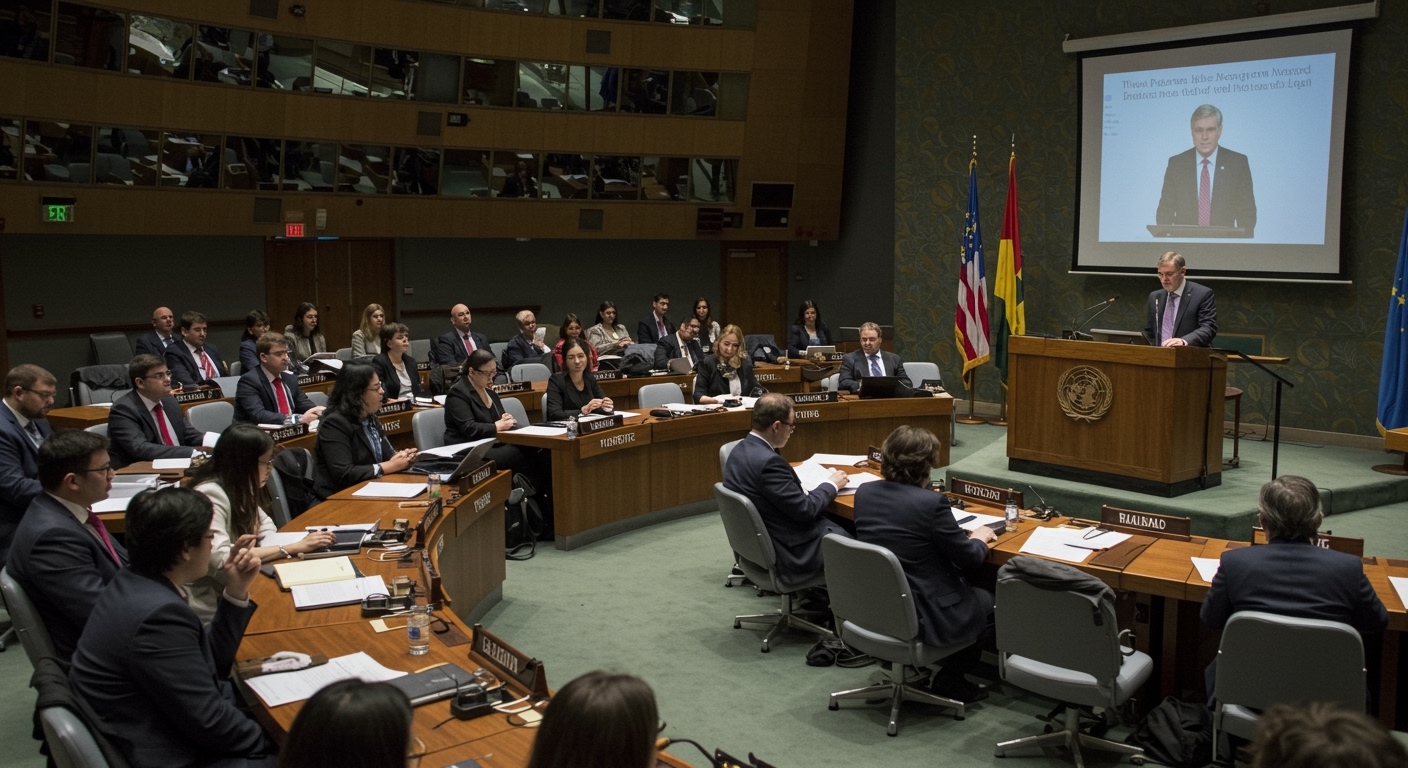
In my experience chairing international conferences, I have seen the Speakers List serve as the pulse of the room. It is not just a list of names; it is a strategic tool used to set the tone of debate, signal alliances, and maintain momentum during long sessions. Whether you are at a UNA-USA style conference or a THIMUN event, mastering the Speakers List is the first step to becoming a “Power Delegate.”
Key Takeaways for MUN Delegates
- Default State: The GSL is the “home base” of debate; if no caucuses are active, the committee reverts to this list.
- Speech Duration: Most committees set a speaking time of 60 to 90 seconds per delegate.
- Yielding: You must “yield” your remaining time once finished, which dictates how the remaining seconds are used.
- Strategic Re-entry: You can (and should) add your name back to the list as soon as you have finished speaking to maximize your “floor time.”
- Visibility: Being high on the list early in the conference establishes you as a leader and a primary point of contact for unmoderated caucuses.
The Technical Mechanics of the General Speakers List (GSL)
The General Speakers List is typically opened immediately after the agenda is set. It remains open throughout the duration of the committee’s discussion on that specific topic. Unlike Moderated Caucuses, which focus on specific sub-issues, the GSL is broad and allows you to address the entire resolution or problem.
When you ask what is a speakers list in MUN, you are really asking about the framework of formal debate. In most circuits, the Chair will ask, “Are there any delegates wishing to be added to the Speakers List?” At this point, you raise your placard high.
If you miss this initial call, don’t panic. You can usually send a Page Note or a message through software like MUNCommand or Chairing.com to the Dais. Simply write: “The Delegate of [Country Name] wishes to be added to the Speakers List.”
Types of Speakers Lists
While the GSL is the most common, some conferences utilize different variations depending on the stage of the debate:
- Primary Speakers List: Used to debate which topic should be discussed first (if the agenda isn’t set).
- Secondary Speakers List: The actual GSL where the substantive debate on the chosen topic happens.
- Provisional Speakers List: Occasionally used in crisis committees for immediate response to a specific event.
Step-by-Step: How to Use the Speakers List Effectively
Navigating the Speakers List requires a blend of technical knowledge and tactical timing. Based on my years of participating in Harvard WorldMUN and NMUN, here is the most effective workflow for managing your presence on the list.
Getting on the List Early
The first ten speakers often set the “frame” for the entire debate. If you want to lead a bloc, you need to be in this initial group. Raise your placard the moment the Chair opens the floor.
Drafting Your GSL Speech
Your GSL speech should be your most polished “Policy Statement.” It should include:
- The Hook: A startling statistic or a powerful quote regarding the topic.
- Country Policy: A brief mention of how your nation is affected.
- The Solution: 2-3 actionable “Operative” ideas you want to see in a resolution.
- The Call to Action: An invitation for other delegates to join your bloc during the next unmoderated caucus.
Monitoring Your Position
Keep a close eye on the Dais’s screen. Most chairs project the list. If you see you are 3-4 spots away, start heading back to your seat if you were lobbying in the back of the room. Being absent when called is a major E-E-A-T (Experience, Expertise, Authoritativeness, Trustworthiness) killer and negatively impacts your score.
The Art of the Yield: Managing Your Time
A unique feature of the MUN Speakers List is what happens when you finish your speech early. If your time limit is 90 seconds and you speak for only 70, you have 20 seconds remaining. You must “yield” this time.
| Yield Type | When to Use It | Best For… |
|---|---|---|
| Yield to the Chair | When you have no time left or don’t want to answer questions. | Saving time and moving debate forward. |
| Yield to Questions | When you want to clarify your points and show expertise. | Building E-E-A-T and showing confidence. |
| Yield to Another Delegate | When you have a firm ally who needs more floor time. | Strengthening bloc alliances and collaboration. |
| Yield to Comments | (Rules vary) When you want the floor to react to your speech. | Gauging the room’s sentiment on a proposal. |
Pro Tip: Never simply stop talking and sit down. Always state, “I yield my time to the [Chair/Delegate/Questions].” This shows the Chair you understand Rules of Procedure (RoP).
Strategic Advantages of the Speakers List
Many novice delegates treat the GSL as a chore. However, veteran “Power Delegates” use it to manipulate the room’s energy.
Signalling Your Bloc
In my first Model UN conference, I realized that the Speakers List is the best way to signal which “Working Paper” you are supporting. By mentioning specific delegates you are working with, you tell the rest of the room where the power centers are forming.
Controlled Response
If another delegate attacks your country’s policy during a Moderated Caucus, you can use your upcoming spot on the Speakers List to provide a calm, evidence-based rebuttal without using a “Right of Reply,” which chairs are often hesitant to grant.
Maintaining Presence
The GSL is a marathon, not a sprint. Even if you are the main author of a resolution, you should stay on the Speakers List. It ensures that every 30-40 minutes, the room hears your voice and associates your face with leadership.
Common Mistakes to Avoid on the Speakers List
Through observing hundreds of hours of debate, I’ve noticed recurring errors that can hurt a delegate’s standing:
- The “Fluff” Speech: Avoid saying “The Delegate of [Country] is happy to be here.” We know you are happy to be there. Use those 5 seconds for data.
- Ignoring the Clock: Nothing is more frustrating for a Chair than a delegate who ignores the gavel. When you hear the first tap, start your concluding sentence.
- Reading Directly from a Script: While you can have notes, try to maintain eye contact. This builds Authoritativeness and makes your country’s position feel more authentic.
- Forgetting to Re-add Your Name: The moment you sit down after a speech, send a note to the Chair to be added back to the bottom. Constant visibility is key.
Advanced Tactics: Managing the “GSL Lull”
There is a phenomenon in Model UN known as the “GSL Lull.” This happens in the middle of the second day when everyone is tired and focused on writing resolutions. The speeches become repetitive and boring.
This is your opportunity.
When the room is tired, deliver a high-energy speech. Use the Speakers List to announce a “Breakthrough” in your bloc’s negotiations or to call out a specific “Clause” in a rival resolution that is problematic. This re-engages the committee and centers the debate back on your agenda.
Frequently Asked Questions
Can I be on the Speakers List and a Moderated Caucus at the same time?
Yes. The Speakers List is the underlying structure. When a Moderated Caucus is passed, the GSL is simply paused. Once the caucus ends, the Chair returns to the exact spot where the GSL left off.
What happens if I am not in the room when my name is called?
Usually, the Chair will simply remove your name and move to the next delegate. However, it looks disorganized. If you must leave for a “water break” or to caucus in the hall, try to ensure you aren’t in the top 3 positions on the list.
How many times can I speak on the GSL?
Theoretically, an unlimited number of times. As long as you keep adding your name back to the bottom after you speak, you can continue to be recognized throughout the conference.
Does the Speakers List carry over between sessions?
Yes. If the committee adjourns for lunch or for the night, the Speakers List remains exactly as it was. Debate resumes with the next person on that list when the session opens again.
What is the difference between the GSL and a Moderated Caucus?
The GSL is for general policy and has a set list of speakers. A Moderated Caucus is a fast-paced discussion on a specific sub-topic where the Chair chooses speakers one-by-one based on raised placards.









