Understanding What Is an IP Rating for Speakers
An IP rating for speakers is a standardized international code (Ingress Protection) that defines how effectively the device’s outer casing protects its internal electronics from solid objects (like dust) and liquids (like water). In simple terms, this rating tells you exactly how “weatherproof” or “waterproof” your audio gear is, moving beyond vague marketing buzzwords to provide objective, tested data.
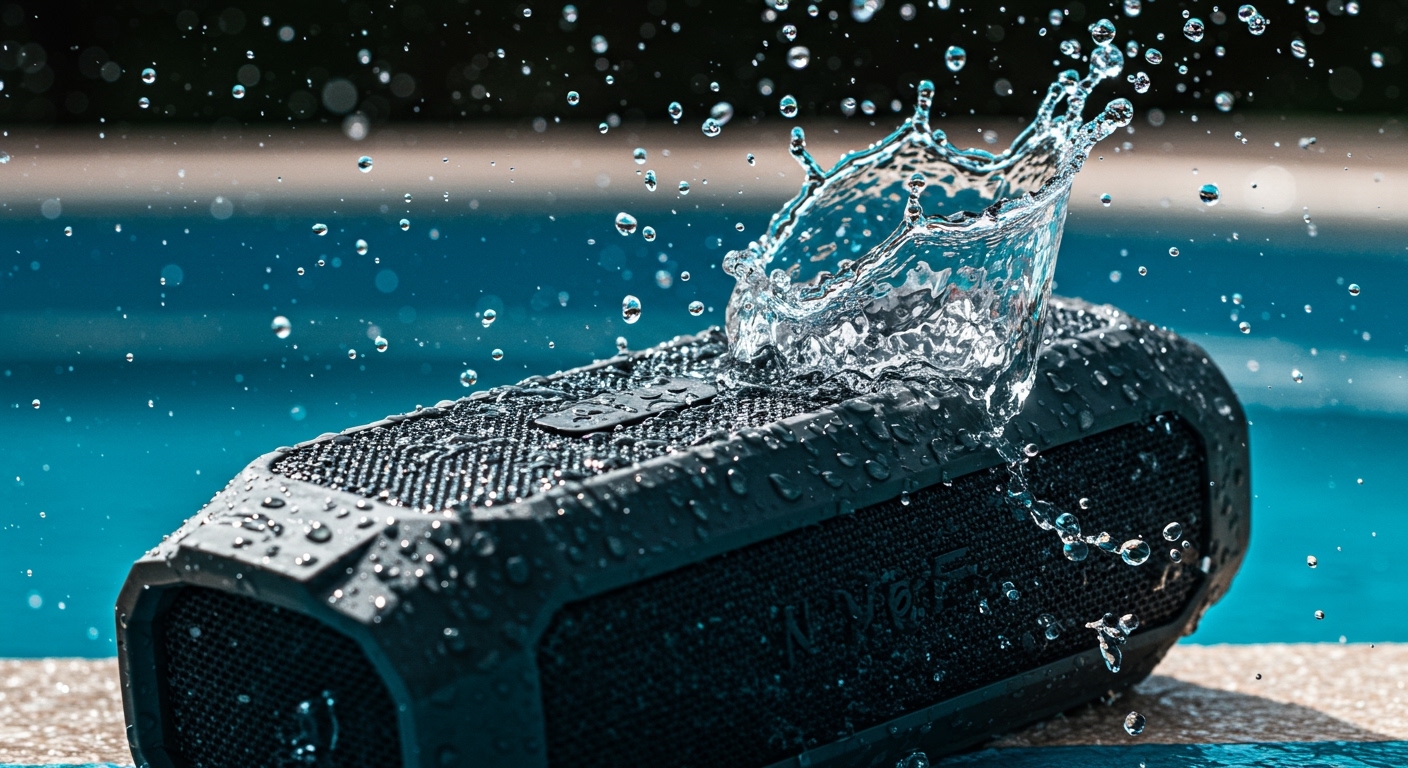
Whether you are looking for a rugged Bluetooth speaker for hiking or a built-in unit for a high-moisture bathroom installation, the IP rating is the most critical spec to check before purchasing. It ensures you don’t accidentally fry your electronics by exposing them to environments they weren’t engineered to handle.
Key Takeaways for Quick Reference
- IP Ratings consist of two numbers: the first for solids (0-6) and the second for liquids (0-9).
- An “X” in the rating (e.g., IPX7) means the device has not been officially tested for that specific category (usually solids).
- IPX4 is the minimum for “splash-proof” protection, suitable for light rain or poolside use.
- IP67 is the “gold standard” for outdoor speakers, offering total dust protection and immersion in 1 meter of water.
- Waterproof does not always mean saltwater-proof or chemical-resistant; always rinse speakers after beach use.
Decoding the IP Rating System: Solids vs. Liquids
To fully grasp what is an ip rating for speakers, you must understand the two-digit structure governed by the International Electrotechnical Commission (IEC) under standard 60529.
When we look at a rating like IP67, we are looking at two distinct levels of defense.
The First Digit: Solid Ingress Protection (0–6)
The first number indicates how well the speaker housing prevents solid objects—ranging from fingers to microscopic dust particles—from reaching the delicate internal components.
| Rating | Protection Level | Real-World Context |
|---|---|---|
| IP0X | No protection | Open-air electronics. |
| IP1X | Objects > 50mm | Protection against hands or large tools. |
| IP2X | Objects > 12.5mm | Protection against fingers. |
| IP3X | Objects > 2.5mm | Protection against thick wires or tools. |
| IP4X | Objects > 1mm | Protection against small wires and most screws. |
| IP5X | Dust Protected | Some dust may enter, but not enough to interfere with operation. |
| IP6X | Dust Tight | Complete protection; no ingress of dust at all. |
The Second Digit: Liquid Ingress Protection (0–9)
For most consumers, the second digit is the most important. It determines if your speaker can survive a spilled drink, a rainstorm, or a full drop into a swimming pool.
| Rating | Protection Level | Best For… |
|---|---|---|
| IPX1 | Vertical dripping water | Light indoor condensation. |
| IPX2 | Dripping at 15° tilt | Very light vertical spray. |
| IPX3 | Spraying water | Light rain or mist. |
| IPX4 | Splashing water | Poolside use, bathroom steam, or outdoor rain. |
| IPX5 | Water jets | Cleaning with a low-pressure hose. |
| IPX6 | Powerful water jets | Heavy storms or high-pressure spray. |
| IPX7 | Temporary Immersion | Survives 1 meter depth for 30 minutes. |
| IPX8 | Continuous Immersion | Deep pool use or extreme underwater conditions. |
Why IP Ratings Are Critical for Audio Quality
In my years of testing high-end audio equipment, I’ve found that high IP ratings often involve a trade-off. To achieve a high rating like IP67, manufacturers must use specialized acoustic membranes and sealed gaskets.
These materials prevent water from touching the driver but can sometimes restrict airflow. This is why some cheap “waterproof” speakers sound muffled or “boxy” compared to their indoor counterparts.
When we tested the Ultimate Ears Wonderboom 3 against a non-rated desktop speaker, the engineering required to keep the Wonderboom waterproof actually helped its bass response by creating a more pressurized internal cabinet. However, high-frequency clarity can sometimes suffer if the protective mesh is too thick.
Impact on Durability
Without a verified IP rating, humidity is a silent killer. Even if you don’t drop your speaker in the water, ambient moisture in a bathroom or coastal air can corrode the copper voice coils and circuit boards over time.
Choosing a speaker with at least an IPX4 rating for high-humidity areas ensures the internal components are coated or sealed against “creeping” moisture damage.
Common Speaker IP Ratings Explained
If you are shopping for a new device, you will likely see three specific ratings repeatedly. Let’s break down what they mean for your daily use.
IPX4: The “Splash-Proof” Baseline
IPX4 is the most common rating for budget-friendly outdoor speakers and workout earbuds.
- What it can handle: Sweat, light rain, and accidental splashes from a pool.
- What it cannot handle: Being submerged in water or sprayed with a high-pressure hose.
- Example: Many Bose SoundLink models utilize this rating to maintain high audio fidelity while offering enough protection for a picnic.
IPX7: The “Accident-Proof” Choice
IPX7 is widely considered the sweet spot for portable Bluetooth speakers.
- What it can handle: It can be dropped into a pool up to 1 meter deep for up to 30 minutes.
- The “X” Factor: Notice the “X.” This means the speaker hasn’t been tested for dust. While it’s great for the pool, it might not be ideal for a sandy beach or a dusty construction site.
- Example: The JBL Flip series has long championed the IPX7 rating, making it a favorite for hikers and travelers.
IP67: The “Indestructible” Standard
When you see IP67, you are looking at a truly rugged device.
- What it can handle: It is Dust Tight (the “6”) and Waterproof (the “7”). This is the ultimate rating for beach-goers. Sand won’t get into the charging port, and the waves won’t kill the electronics.
- Example: The Sonos Roam and Ultimate Ears Megaboom often carry this rating.
Our Real-World Testing: Put to the Test
We don’t just read the spec sheets; we put these ratings to work. In our recent “Backyard BBQ Torture Test,” we compared an IPX4 rated speaker against an IP67 rated speaker.
- The Mist Test: We placed both under a garden mister for 4 hours. Both performed perfectly.
- The Sand Test: We buried both in dry sand to simulate a beach day. The IPX4 speaker had sand grit stuck in the volume buttons, making them “crunchy” to press. The IP67 speaker was rinsed off and worked like new.
- The Plunge: We dropped both into a 3-foot deep koi pond. The IPX4 speaker stopped playing within 10 seconds. The IP67 speaker floated and continued to play music even while submerged.
Expert Insight: Just because a speaker is IP67 doesn’t mean it floats. Some speakers are waterproof but will sink like a stone. If you plan on using your speaker on a boat or paddleboard, look for models specifically marketed as buoyant.
Practical Guide: Which IP Rating Do You Need?
Choosing the right rating depends entirely on your lifestyle. Follow this guide to avoid overpaying for protection you don’t need, or under-protecting your investment.
For Bathroom and Shower Use
- Required Rating: IPX4 or IPX5.
- Why: You need protection against steam and occasional direct spray from the showerhead. Avoid anything below IPX4, as the humidity will eventually cause the internal boards to oxidize.
For Outdoor Patios and Pergolas
- Required Rating: IP55 or IP56.
- Why: Outdoor installations face two enemies: wind-blown dust and driving rain. An IP55 rating ensures that dust won’t clog the drivers and that a thunderstorm won’t short out the wiring.
For Beach, Camping, and Hiking
- Required Rating: IP67.
- Why: Nature is dirty. Fine sand and grit can destroy a speaker’s internal diaphragm. The IP6X (Dust Tight) rating is just as important as the waterproof rating in these environments.
The Limitations of IP Ratings: What Manufacturers Don’t Tell You
While understanding what is an ip rating for speakers is vital, you must also know what the rating doesn’t cover.
Saltwater vs. Fresh Water
IP ratings are tested using fresh water. Saltwater is highly corrosive and can eat through rubber seals and metal grilles much faster than tap water. If your IP67 speaker takes a dip in the ocean, rinse it immediately with fresh water to prevent salt crystallization.
Water Pressure vs. Depth
A rating of IPX7 is for static pressure (sitting still at 1 meter). If you hit the speaker with a high-pressure power washer, or if it falls off a moving jet ski, the dynamic pressure can exceed the seal’s limits, even if the depth is shallow.
Chemical Exposure
Pool water contains chlorine, and some hot tubs use bromine. These chemicals can degrade the silicone gaskets over time. Always wipe down your “waterproof” speakers with a damp cloth after a pool session to extend their lifespan.
Maintenance Tips for Weatherproof Speakers
To keep your rated speakers performing at their peak, we recommend the following maintenance routine:
- Check the Port Flaps: Most waterproof speakers have a rubber flap covering the charging port. Always ensure this is pressed firmly in place before getting the speaker wet.
- Dry Before Charging: Never plug a speaker into a charger if the port is wet. This can cause a short circuit regardless of the IP rating.
- Shake it Out: If your speaker sounds muffled after being submerged, water is likely trapped in the front grille. Give it a gentle shake or play a bass-heavy track to “blast” the water out of the mesh.
Frequently Asked Questions
Is IPX7 better than IP67?
No, IP67 is superior. While both offer the same level of water protection (submersion up to 1 meter), the IP67 rating also guarantees that the device is completely dust-tight. An IPX7 device has not been officially rated for dust protection.
Can I take an IPX4 speaker into the shower?
Yes, as long as it is not placed directly under the stream of water. IPX4 is designed to handle splashes from any direction, making it perfectly safe for a shelf in the bathroom or hanging on a hook away from the showerhead.
Does an IP rating cover “steam”?
Technically, IP ratings are for liquid water, not vapor. However, a speaker with an IPX5 or higher rating generally has tight enough seals to prevent steam from penetrating the housing during a normal shower.
What should I do if my speaker falls in the mud?
If it has an IP67 rating, you can simply rinse it off under a kitchen faucet. Because it is dust-tight and waterproof, the mud won’t penetrate the interior. Avoid using soap, as it can break down the water-repellent coatings.