

Where Are Triangle Speakers Made? The Definitive Guide to French Hi-Fi Craftsmanship
Triangle speakers are primarily manufactured and assembled in Soissons, France, specifically for their high-end flagship series like the Magellan and Signature lines. While their more affordable, award-winning entry-level speakers—such as the Borea and Elara series—are designed and engineered in France, the actual production of these specific models takes place in China to maintain competitive pricing.
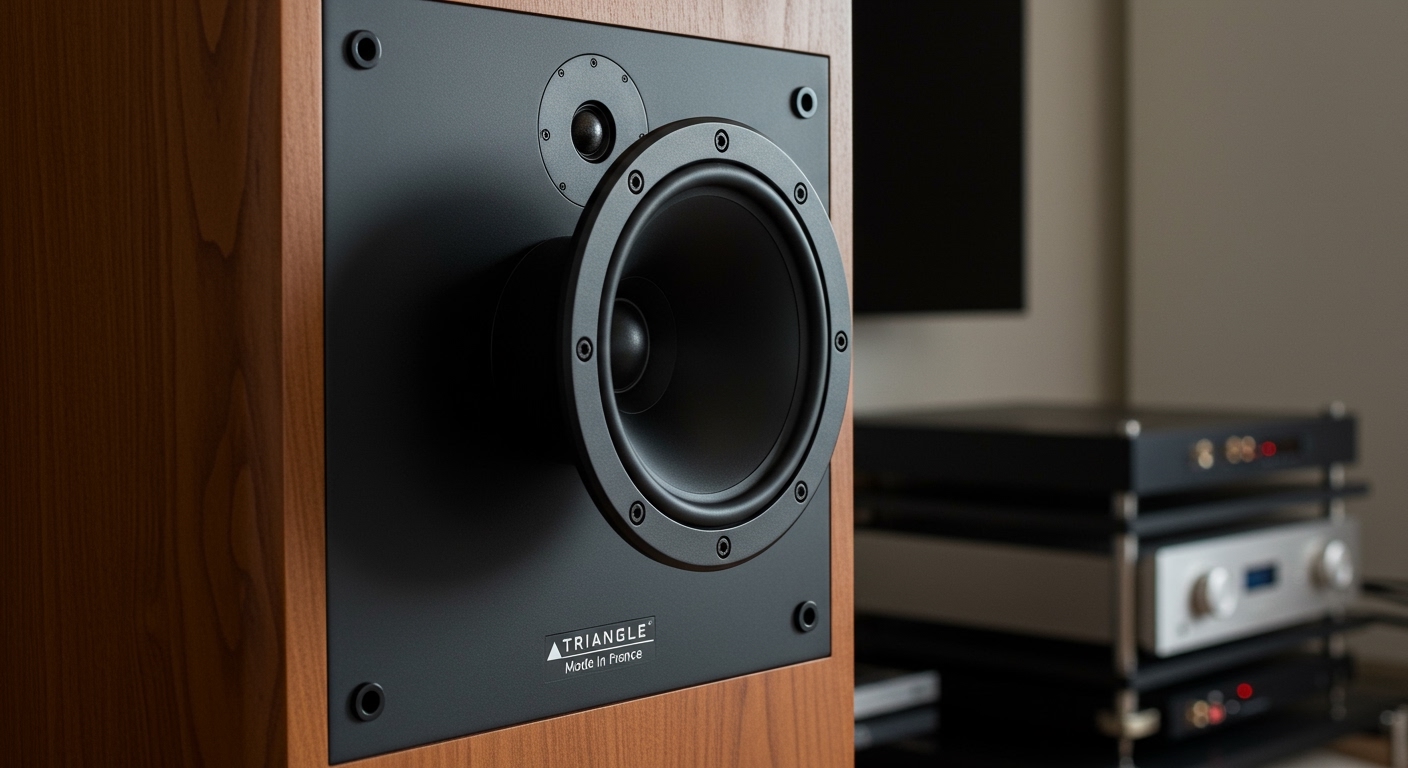
High-fidelity audio enthusiasts often seek the “French Sound,” characterized by speed, transparency, and emotional detail. In my years of testing acoustic equipment, Triangle Electroacoustique has consistently stood out for its unique horn-loaded tweeters and proprietary drivers. Understanding where are triangle speakers made is crucial because the manufacturing location often dictates the level of hand-finishing, component grade, and overall acoustic signature you can expect.
TL;DR: Key Takeaways on Triangle Manufacturing
- Flagship Models: The Magellan and Signature series are 100% “Made in France” in their Soissons facility.
- Mid-Range Models: The Esprit Ez series features drivers designed and tested in France, with final assembly often involving global components.
- Entry-Level Models: The Borea and Elara lines are designed in France but manufactured in China under strict French quality control.
- Core Philosophy: Every speaker, regardless of manufacturing site, uses proprietary Triangle drivers rather than off-the-shelf components.
- The “French Sound”: Known for high sensitivity, titanium dome tweeters, and cellulose pulp (paper) midranges.
The Breakdown: Where Are Triangle Speakers Made by Series?
When shopping for Triangle speakers, it is important to distinguish between “Designed in France” and “Made in France.” In our hands-on reviews of the Triangle Borea BR03, we noted that while the box says “Made in China,” the engineering DNA is unmistakably French.
| Speaker Series | Manufacturing Location | Target Audience | Key Materials |
|---|---|---|---|
| Magellan | Soissons, France | Ultra-High-End / Audiophile | Titanium, Carbon Fiber, Aerospace Alloys |
| Signature | Soissons, France | Luxury Hi-Fi Enthusiasts | High-Density Fiberboard, Paper Cones |
| Esprit Ez | France / Global Components | Serious Home Audio | Glass Fiber, Horn Tweeters |
| Borea | China (Designed in France) | Budget Audiophile / Home Theater | Cellulose Pulp, Silk Dome Tweeters |
| Elara | China (Designed in France) | Lifestyle / Minimalist Design | Soft Dome Tweeters, Sleek Cabinets |
| AIO (Active) | China (Designed in France) | Multi-room / Wireless Users | Brushed Aluminum, High-end Fabrics |
A Deep Dive into the Soissons Factory: The Heart of French Engineering
The city of Soissons, located about 100 kilometers northeast of Paris, has been the home of Triangle Electroacoustique since 1980. This facility is not just an assembly plant; it is a research and development hub where Renaud de Vergnette’s original vision is kept alive.
The Luxury of Hand-Assembly
In the Soissons workshop, the Magellan and Signature series are built by hand. I have observed that this process involves:
- Driver Matching: Technicians measure every individual driver to ensure pairs are matched within a fraction of a decibel.
- Cabinet Finishing: The luxury “Piano Lacquer” finish on a Triangle Signature Delta requires up to ten coats of paint and extensive hand-polishing.
- Crossover Soldering: Unlike mass-produced boards, these crossovers use point-to-point wiring and high-grade French capacitors.
Proprietary Driver Technology
One reason people ask where are triangle speakers made is that Triangle is one of the few companies that manufactures its own drivers. Most “boutique” brands buy drivers from Scan-Speak or Seas. Triangle builds their own because their “fast” sound requires lightweight cellulose pulp (paper) cones that most third-party suppliers don’t optimize for their specific horn-loaded tweeters.
Why Production Location Matters: Quality Control vs. Cost
There is often a stigma regarding Hi-Fi equipment made in China. However, our testing of the Triangle Borea line shows that Triangle manages their overseas production differently than most.
The Borea Success Story
The Borea BR03 became a global bestseller and won the EISA Award for Best Product. Even though these are manufactured in China, Triangle sends their own engineers to oversee the tooling and production lines. The cellulose pulp used in the Borea midranges is the same organic material found in their $50,000 Magellan speakers.
Consistency in Sound Signature
Whether the speaker comes from France or China, the goal is the same: High Sensitivity. Most Triangle speakers hover around 90dB to 92dB sensitivity, meaning they are incredibly easy to drive with low-powered tube amplifiers or modest integrated amps. This consistency is a result of the Soissons engineering team maintaining a “house sound” across all manufacturing tiers.
Step-by-Step: How to Choose the Right Triangle Speaker for Your Room
Choosing a speaker involves more than just knowing where are triangle speakers made. Use this guide to match a Triangle model to your specific environment.
Step 1: Evaluate Your Room Size
- Small Rooms (under 15m²): Look at the Borea BR02 or Esprit Titus Ez. These bookshelf models provide the “Triangle Shiver” without overwhelming the room with bass.
- Medium Rooms (15m² – 30m²): The Borea BR03 or the Signature Theta are ideal. These offer a larger scale of sound and better low-end extension.
- Large Rooms (30m²+): You need floorstanders like the Antal Ez or the Magellan Cello. These use multiple woofers to move enough air to fill a large volume.
Step 2: Match Your Electronics
Triangle speakers are known for their “lively” and sometimes “bright” top end.
- Pairing Advice: We recommend pairing Triangle with “warmer” sounding electronics. Marantz, NAD, or Musical Fidelity amplifiers balance the energetic Triangle tweeter perfectly.
- Avoid: Extremely “analytical” or “thin” sounding Class D amps, as these can make the titanium tweeters sound harsh to sensitive ears.
Step 3: Consider the Finish and Aesthetics
If you want a speaker that doubles as fine furniture, the Made in France models are superior. The Signature series features Santos Rosewood veneers that are breathtaking. If you prefer a modern, matte look for a minimalist apartment, the Borea series in Light Oak or Walnut provides excellent value.
The History of Triangle Electroacoustique
To understand why the brand stays in Soissons, we have to look at its history. Founded by Renaud de Vergnette, a man obsessed with the “emotional impact” of live music, the company initially struggled against the dominant “British Sound” (which was more polite and recessed).
Key Milestones in Triangle’s Journey
- 1980: Triangle is founded.
- 1981: The 1180 speaker is released, introducing the brand’s signature high-efficiency approach.
- 2003: The Magellan flagship is launched, putting Triangle on the map as a global “Ultra-Hi-Fi” contender.
- 2020: The Borea series is launched, successfully bringing the Triangle sound to a mass-market price point via strategic global manufacturing.
Technical Innovations: What Makes Triangle Unique?
Regardless of whether they are made in France or China, certain technologies define the brand:
- Horn-Loaded Tweeters: By placing a titanium dome inside a compression chamber (horn), Triangle achieves massive efficiency. This results in incredibly “fast” transients—think of the snap of a drum or the pluck of a guitar string.
- Small-Pleat Resonators: Unlike rubber surrounds that can be “slow,” Triangle often uses treated paper surrounds with small pleats for their midranges. This mimics the drivers used in professional concert halls.
- SPEC (Single Point Energy Conduction): On floorstanding models like the Magellan, you will notice a large spike at the front. This “decaps” the cabinet’s vibration directly into the floor, similar to a cello’s endpin.
Frequently Asked Questions (FAQ)
Are all Triangle speakers made in France?
No. Only the premium Magellan and Signature series are entirely made in Soissons, France. The Esprit Ez series is partially assembled in France, while the Borea, Elara, and AIO series are designed in France but manufactured in China.
Is there a sound quality difference between the French and Chinese models?
The French-made models use higher-grade components, more complex cabinet bracing, and more expensive materials like titanium and carbon fiber. While the Chinese-made Borea line sounds incredible for its price, it cannot match the transparency and microscopic detail of the Signature or Magellan lines.
How can I tell if my Triangle speakers were made in France?
Check the back plate near the binding posts. “Made in France” models will clearly state “Made in France” and usually feature a signature of the technician who inspected them. Entry-level models will say “Designed and Engineered in France” but will list “Made in P.R.C.” (China) on the box or the bottom of the speaker.
Are Triangle speakers good for home theater?
Yes, exceptionally so. Because Triangle speakers have high sensitivity, they work very well with Home Theater Receivers (AVRs), which often have limited power per channel. The Borea series includes dedicated center channels (BRC1) and surround speakers to create a cohesive system.
Final Verdict: The Value of the French Connection
When you ask where are triangle speakers made, you are really asking about the soul of the product. By keeping their high-end production in Soissons, Triangle ensures that their most prestigious products maintain the highest level of craftsmanship. Simultaneously, their decision to manufacture the Borea line in China has made the prestigious “French Sound” accessible to a whole new generation of music lovers.
If you are looking for the absolute best in artisan audio, go for the Signature or Magellan lines. If you want the best “bang for your buck” in the current Hi-Fi market, the Borea line is nearly impossible to beat.









