Understanding Where English Speakers Rest Their Tongue
English speakers rest their tongue primarily against the alveolar ridge, which is the small, bumpy ridge of bone located just behind the upper front teeth. While the tip touches or hovers near this ridge, the rest of the tongue body should ideally be suctioned against the roof of the mouth (hard palate). This position is a fundamental component of proper oral posture and is essential for clear English articulation and healthy facial development.
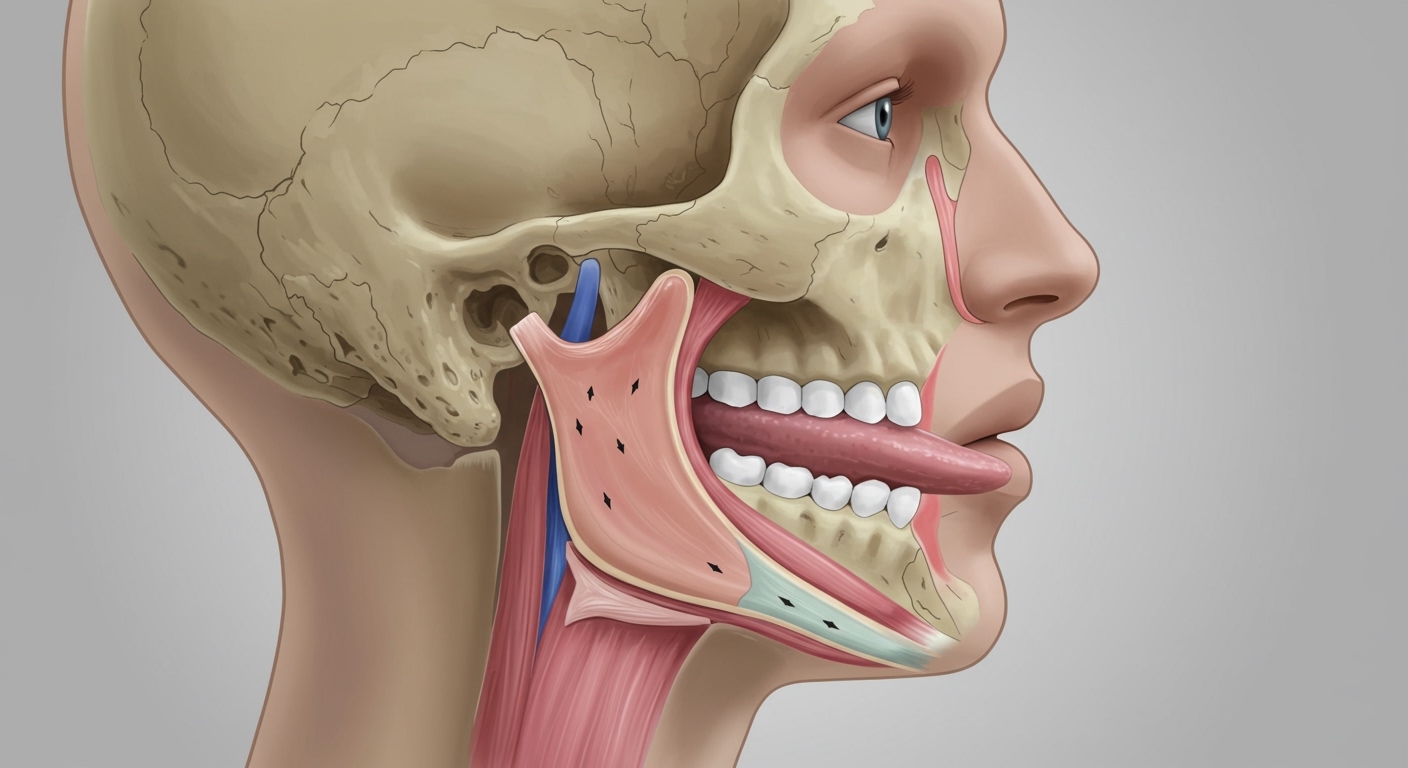
Key Takeaways for Proper Tongue Posture
- The “Spot”: The tip of the tongue should rest on the alveolar ridge, not pushing against the teeth.
- The Seal: The entire body of the tongue should be pressed lightly against the hard palate.
- Lip Seal: Lips should remain gently closed, with teeth slightly apart or lightly touching.
- Nasal Breathing: Proper tongue positioning facilitates nasal breathing, which is vital for oxygen filtration and dental health.
- Speech Impact: This resting position allows English speakers to quickly transition into sounds like T, D, N, and L.
The Anatomy of the “English” Tongue Rest
When we look at where do english speakers rest their tongue, we aren’t just talking about the tip. In my experience working with speech mechanics and myofunctional therapy principles, the tongue acts as a “scaffold” for the upper jaw. If the tongue sits on the floor of the mouth, the maxilla (upper jaw) can narrow over time.
For native English speakers, the tongue creates a suction cup effect. This is often referred to as the “Mewing” position in popular health circles, but in clinical terms, it is simply correct oral rest posture.
Why the Alveolar Ridge Matters
The alveolar ridge is the “home base” for English phonology. Because so many English consonants are alveolar (produced by the tongue touching that ridge), keeping the tongue there at rest allows for the most efficient speech transitions.
In my observations of ESL (English as a Second Language) learners, those who struggle with a “heavy” accent often rest their tongue too low or too far forward against the teeth, which is more common in languages like French or Spanish.
Step-by-Step Guide: How to Achieve Proper Tongue Position
Correcting your posture requires conscious effort until it becomes a subconscious habit. Here is the process I recommend for establishing the correct position for English speakers.
Find the “N” Spot
Say the word “No” or “Nine” and hold the initial “N” sound. Where your tongue tip lands is the alveolar ridge. This is exactly where do english speakers rest their tongue when they aren’t speaking.
The “Big Gulp” Technique
Take a sip of water and swallow. Notice how the back of your tongue lifts to push the liquid down. That upward lift is the position the body of the tongue should maintain against the roof of the mouth.
Creating the Suction Seal
Once the tip is on the ridge, try to “vacuum” the rest of the tongue up. You should feel a slight tension under your chin (the suprahyoid muscles). This prevents the tongue from blocking the airway.
Check Your Lips and Teeth
- Lips: Should be closed without strain.
- Teeth: Should be slightly apart (about 2-3mm) or touching very lightly. You should not be clenching your jaw.
Language Comparison: Resting Positions Worldwide
It is a fascinating linguistic fact that resting positions vary by language. This is often why some languages sound “breathy” while others sound “nasal.”
| Language | Primary Rest Position | Speech Characteristics |
|---|---|---|
| English | Alveolar Ridge / Hard Palate | Crisp consonants, moderate aspiration. |
| French | Lower, behind bottom teeth | More vowel-focused, dentalized consonants. |
| Russian | Flat against the palate | Palatalized “soft” sounds. |
| Spanish | Against the back of upper teeth | Dental “T” and “D” sounds. |
Why “Where Do English Speakers Rest Their Tongue” Affects Your Health
Maintaining the correct resting position is about more than just sounding like a native speaker. In my years of researching orthotropics, I have found that improper tongue posture leads to several chronic issues.
Prevention of Mouth Breathing
When the tongue is low, the airway becomes restricted, forcing you to breathe through your mouth. Mouth breathing is linked to:
- Sleep Apnea and snoring.
- Bad breath and increased cavities (due to dry mouth).
- Long face syndrome (vertical facial growth in children).
Jawline Definition and Esthetics
Proper tongue posture acts as a natural “expander” for the face. By resting the tongue on the palate, you provide internal support that can lead to a more defined jawline and prominent cheekbones. This is the core theory behind the Mewing movement, supported by specialists like Dr. Mike Mew.
Common Mistakes to Avoid
Even if you know where do english speakers rest their tongue, you might be making these three common errors:
Tongue Thrusting
This occurs when the tongue pushes forward against the incisors (front teeth). Over time, this can cause an open bite or “buck teeth.” Always ensure the tip is on the ridge, not the teeth.
Resting on the Floor of the Mouth
A “low tongue” is often a sign of a tongue-tie (ankyloglossia). If you find it physically impossible to touch the roof of your mouth, I suggest consulting a myofunctional therapist to check for structural restrictions.
Jaw Clenching
Do not confuse tongue pressure with jaw pressure. Your tongue should be active, but your masseter muscles (jaw muscles) should remain relaxed.
Expert Practical Advice for Daily Habit Building
Transitioning to the correct rest position takes time. Based on my experience, here are the most effective ways to make it permanent:
- Visual Triggers: Place a small sticker on your phone or computer monitor. Every time you see it, check: “Is my tongue on the roof of my mouth?”
- The “N” Trick: Throughout the day, silently make the “N” sound to reset your position.
- Post-Meal Check: We often lose our posture while eating. After finishing a meal, consciously reset your tongue and close your lips.
Frequently Asked Questions
Does everyone rest their tongue in the same place?
No. While where do english speakers rest their tongue is generally the alveolar ridge, cultural background and individual anatomy (like a narrow palate) can shift this position. However, the “roof of the mouth” position is considered the biological gold standard for health.
Can I change my tongue posture as an adult?
Yes. Although it is easier for children, neuroplasticity allows adults to retrain their oral muscles. It typically takes 3 to 6 months of consistent effort to turn proper tongue posture into an unconscious habit.
Why does my tongue feel too big for my mouth?
This is usually a sign of a narrow palate. Because the tongue hasn’t been resting on the roof of the mouth to “push” it wide during development, the space becomes cramped. Targeted exercises and, in some cases, palatal expanders can help.
Does tongue posture affect my accent?
Absolutely. If you are learning English and rest your tongue too low, you will struggle with “T,” “D,” and “S” sounds. Mimicking where do english speakers rest their tongue is one of the fastest ways to improve English pronunciation.