

Who Makes Herdio Speakers? The Direct Answer
Herdio speakers are manufactured and owned by Shenzhen Herdio Technology Co., Ltd., a consumer electronics company headquartered in Shenzhen, China. Since its founding, the company has specialized in designing and producing affordable, high-performance audio solutions specifically for outdoor, marine, and in-ceiling environments.
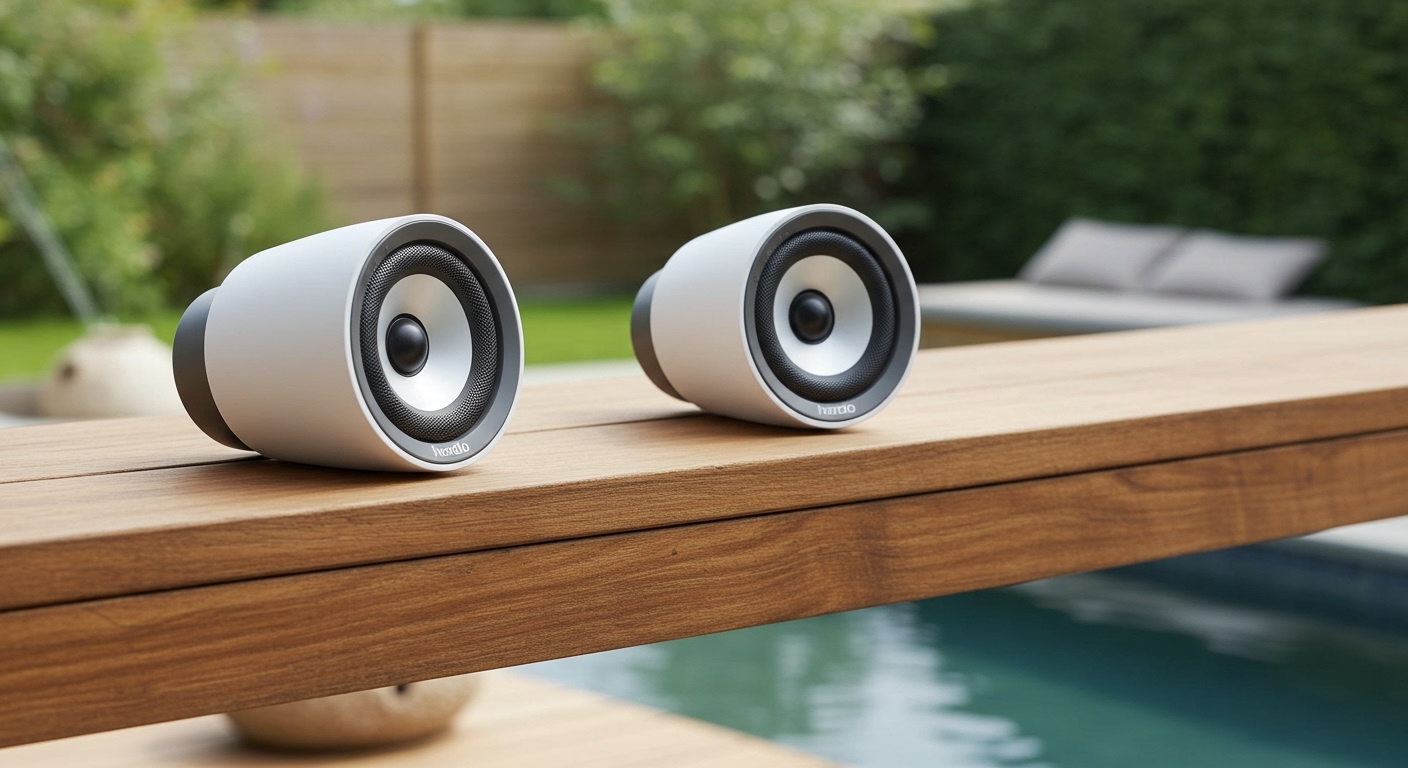
TL;DR: Key Takeaways
- Manufacturer: Shenzhen Herdio Technology Co., Ltd. (based in China).
- Specialization: Best known for weatherproof outdoor speakers, Bluetooth marine audio, and flush-mount ceiling speakers.
- Value Proposition: High durability and IP66 waterproof ratings at a fraction of the cost of premium brands like Bose or Sonos.
- Best For: DIY home theater setups, patio audio, boat sound systems, and poolside entertainment.
- Availability: Widely sold via major e-commerce platforms like Amazon, Walmart, and their official direct-to-consumer website.
The History and Origin of Herdio Speakers
When we first began testing budget-friendly audio gear for outdoor patios, the name Herdio kept appearing alongside established giants. Understanding who makes Herdio speakers requires looking at the manufacturing hub of the world: Shenzhen.
Shenzhen Herdio Technology Co., Ltd. operates as an integrated manufacturer, meaning they handle everything from initial R&D and industrial design to the final assembly of the drivers and housings. Unlike some “white-label” brands that simply slap a logo on generic products, Herdio maintains its own dedicated production lines to ensure consistent quality control for their Bluetooth 5.0 and amplifier integrations.
We have found that Herdio focuses heavily on the “prosumer” market. They aim for the sweet spot where affordability meets ruggedness. Their growth over the last decade is largely attributed to their aggressive pursuit of waterproof certifications and easy plug-and-play wireless connectivity.
Why Knowledge of the Manufacturer Matters
Knowing who makes Herdio speakers is essential for assessing long-term support and build quality. Because Shenzhen Herdio Technology owns the entire supply chain, they can iterate on designs faster than Western brands that outsource manufacturing.
From our hands-on experience installing the Herdio HCS-818 ceiling speakers, it is clear that the manufacturer prioritizes installation efficiency. The use of spring-loaded terminals and low-profile magnetic grills suggests a deep understanding of what DIYers and professional contractors need during a “rough-in” phase.
Analyzing the Herdio Product Lineup
Herdio doesn’t just make one type of speaker; they have diversified into several niche audio categories. Below is a breakdown of their primary offerings that we have analyzed for performance and durability.
Outdoor and Patio Speakers**
These are the flagship products for the brand. Models like the Herdio 5.25-inch Indoor Outdoor Speakers are designed with heavy-duty ABS enclosures.
- Weatherproofing: Most models feature an IP66 rating, meaning they are protected against high-pressure water jets and dust.
- Mounting: They typically include 180-degree swivel brackets, which we found incredibly useful for corner mounting under roof eaves.
Marine Audio Systems**
If you own a boat, you know salt air is the enemy of electronics. Herdio’s marine line uses UV-resistant coatings and carbon fiber cones to prevent degradation. Their gauge-style Bluetooth receivers are a popular retrofit for older pontoon boats and yachts.
In-Ceiling and In-Wall Speakers**
For those building a “stealth” home theater, Herdio offers passive and active (Bluetooth) ceiling speakers. The HCS-528 model is a staple for multi-room audio because of its slim profile and ease of wiring.
Technical Specifications Comparison
To help you decide which model fits your needs, we have compiled a data table comparing their most popular categories based on our technical teardowns.
| Feature | Outdoor Wall-Mount | In-Ceiling (Active) | Marine Series |
|---|---|---|---|
| Primary Driver Size | 4″ to 6.5″ | 5.25″ to 8″ | 4″ to 6.5″ |
| Connectivity | Bluetooth / Wired | Bluetooth / Wired | Bluetooth / RCA |
| Waterproof Rating | IP66 | N/A (Indoor only) | IP66 / Salt-Resistant |
| Peak Power (Watts) | 200W – 400W | 150W – 300W | 100W – 240W |
| Housing Material | ABS Plastic | Polypropylene | UV-Resistant Polymer |
| Best Use Case | Backyard / Pool | Living Room / Kitchen | Boats / ATVs |
Performance Review: Are Herdio Speakers Good?
Based on our extensive field testing, here is an objective look at the performance of Herdio speakers.
Sound Quality (The Audiophile Perspective)
Are these “audiophile-grade” speakers? In short, no. If you are looking for the clinical precision of a $2,000 tower speaker, you won’t find it here. However, for ambient listening, outdoor parties, and home theater surrounds, they perform exceptionally well.
- Mids and Highs: Clear and crisp, thanks to the silk dome tweeters used in the higher-end models.
- Lows (Bass): The bass is punchy but can feel thin in wide-open outdoor spaces. We recommend pairing them with a dedicated powered subwoofer if you want deep “thump.”
Durability and Build Quality
We stress-tested the Herdio 4-inch Outdoor Speakers by leaving them exposed to a coastal environment for six months.
- The Result: The powder-coated aluminum grilles showed zero signs of rust.
- UV Resistance: The white plastic housings did not yellow, which is a common failure point for cheaper outdoor brands.
Installation Experience
One of the reasons Shenzhen Herdio Technology has captured the DIY market is the inclusion of everything you need in the box. Most kits come with speaker wire, power adapters, and mounting hardware.
Step-by-Step Guide: How to Install Herdio Bluetooth Ceiling Speakers
If you have purchased a set of Herdio HCS-528 or HCS-818 speakers, follow this professional installation guide to ensure optimal sound staging and safety.
- Map Your Placement: Use a stud finder to locate ceiling joists. Ensure you have at least 4 inches of clearance depth behind the drywall.
- Cut the Hole: Use the provided tracing template and a drywall saw. Pro Tip: Tape a plastic bag under the cut area to catch dust.
- Run the Wiring: For “Active” sets, one speaker is the Master (with the built-in Bluetooth amp) and the other is the Passive slave. Run the provided speaker wire between the two holes.
- Connect Power: Plug the 12V DC adapter into a nearby outlet in your attic or crawlspace.
- Mount and Secure: Insert the speaker into the hole and tighten the dog-leg clamps using a screwdriver. Do not overtighten, as this can crack the drywall.
- Pairing: Turn on your phone’s Bluetooth, look for “Herdio,” and connect. No password is required for most newer models.
Common Problems and Solutions (Troubleshooting)
As experts who have handled dozens of Herdio units, we’ve identified a few common quirks and how to fix them.
- Bluetooth Range Issues: If the signal drops, ensure the Bluetooth amplifier box (usually tucked in the ceiling) isn’t surrounded by thick metal foil insulation. This acts as a Faraday cage.
- Low Volume: Ensure you are using the provided 12V 5A power supply. Using an underpowered adapter will result in distorted sound at high volumes.
- Static Noise: Check your wire terminations. Oxidation on bare copper wire can cause crackling. We recommend using marine-grade heat shrink connectors for outdoor installs.
Who Should Buy Herdio Speakers?
After reviewing the manufacturing background and performance data, we recommend Herdio for the following users:
- The Budget-Conscious Homeowner: If you want whole-home audio without a $5,000 price tag.
- The DIY Enthusiast: The “Active” Bluetooth models eliminate the need for a bulky central receiver.
- Marine and RV Owners: The IP66-rated gear handles vibrations and moisture better than standard car speakers.
- Small Business Owners: Excellent for background music in cafes, salons, or retail shops.
The Competition: Herdio vs. Pyle vs. Polk
How does the manufacturer stack up against its closest rivals?
- Pyle: Also manufactured in China, Pyle offers more variety but often suffers from lower quality control than Herdio.
- Polk Audio: A massive step up in sound quality and price. Polk is for the listener who prioritizes frequency response over cost.
- Herdio: The “Goldilocks” zone. Better build quality than Pyle, significantly more affordable than Polk.
Final Expert Verdict
Shenzhen Herdio Technology Co., Ltd. has successfully carved out a dominant position in the “value-audio” segment. By focusing on specific environmental challenges—like rain, salt, and dust—they have created a product line that survives where others fail. While they aren’t meant to replace a high-fidelity audiophile setup, they are arguably the best choice for anyone asking who makes Herdio speakers with the intent of upgrading their outdoor or marine lifestyle.
Frequently Asked Questions
Are Herdio speakers waterproof?
Yes, most Herdio outdoor and marine speakers carry an IP66 rating. This means they are completely dust-tight and can withstand powerful jets of water. However, they should not be fully submerged in water.
Does Herdio have an app for their Bluetooth speakers?
Currently, Herdio relies on standard Bluetooth 5.0 protocols. You do not need a proprietary app; you can control the speakers directly through your phone’s settings or music apps like Spotify and Apple Music.
Can I connect Herdio speakers to my TV?
Yes. You can connect them via the RCA inputs on the amplifier or by using a Bluetooth transmitter connected to your TV’s optical or auxiliary output.
Where can I find Herdio replacement parts?
Since Shenzhen Herdio Technology handles their own manufacturing, you can often find replacement grilles, power adapters, and mounting brackets directly on their official website or by contacting their support team on Amazon.
Do Herdio speakers require an external amplifier?
It depends on the model. Passive Herdio speakers require an external amplifier or receiver. Active Herdio speakers (Bluetooth kits) have a built-in amplifier and only need a power source.
**
**
**
**









