

Who Makes Peavey Speakers? The Legacy of Meridian, Mississippi
Peavey Electronics Corporation is the sole manufacturer of Peavey speakers, with its global headquarters and primary design facilities located in Meridian, Mississippi. Founded in 1965 by Hartley Peavey, the company remains one of the largest independently owned audio and musical instrument manufacturers in the world. Unlike many competitors who have been absorbed by massive conglomerates, Peavey continues to operate under the leadership of the Peavey family, maintaining a reputation for “built-like-a-tank” durability and vertical integration in their manufacturing process.
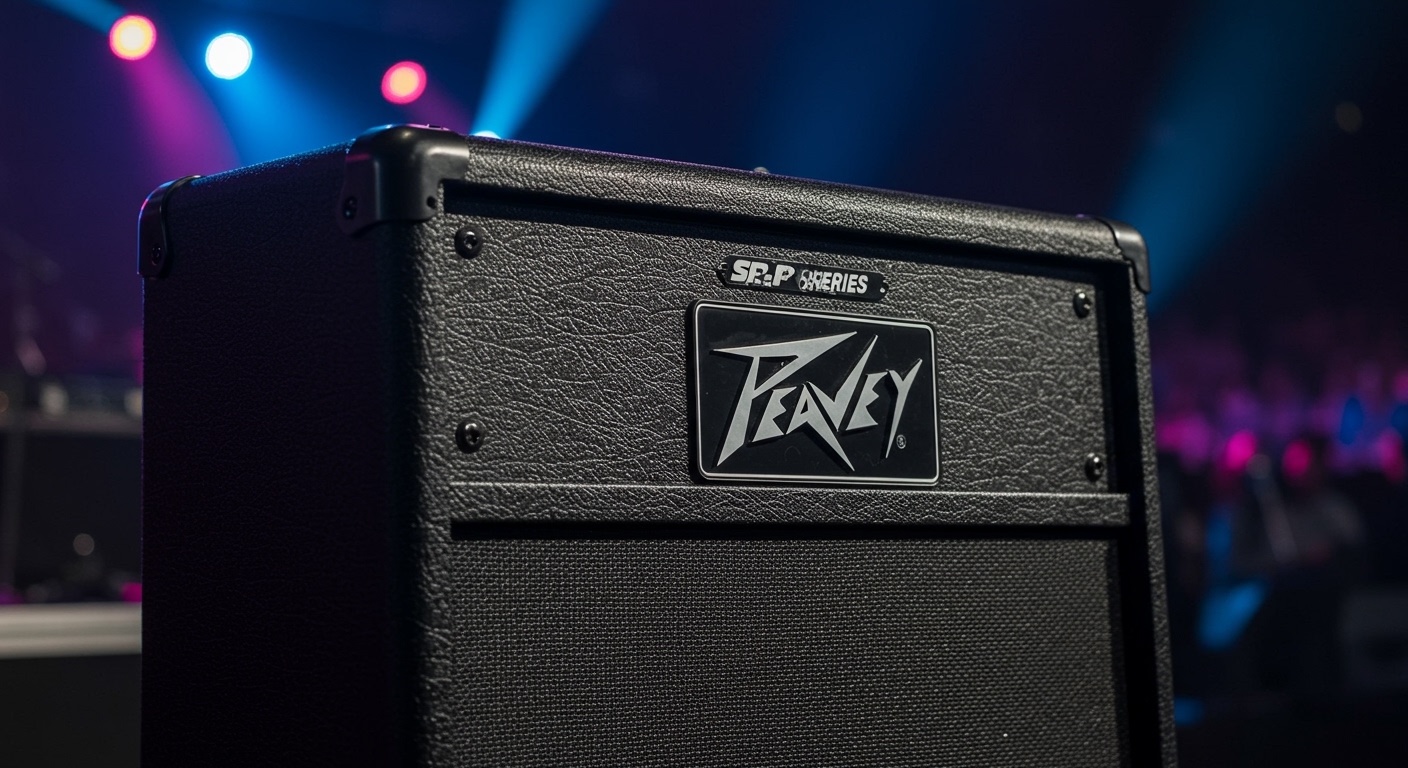
TL;DR: Key Takeaways on Peavey Speakers
- Manufacturer: Peavey Electronics Corporation, an independent American company.
- Founder: Hartley Peavey, who still influences the company’s direction today.
- Key Innovation: The Black Widow® and Scorpion® drivers, known for field-replaceable baskets.
- Best For: Live sound reinforcement, touring musicians, and permanent installations in houses of worship.
- Durability: Renowned for extreme reliability and the ability to withstand harsh touring environments.
The History and Engineering: Who Makes Peavey Speakers?
When you ask who makes Peavey speakers, you are looking at a history of American grit. Hartley Peavey built his first amplifier in his father’s basement in 1957. Since then, Peavey Electronics has secured over 180 patents.
We have used Peavey gear in everything from humid outdoor festivals to dusty rehearsal spaces. One thing we’ve consistently noticed is that Peavey builds their components from the ground up. This vertical integration means they design their own transducers, enclosures, and crossovers rather than just assembling third-party parts.
The Black Widow® and Scorpion® Drivers
A major differentiator for Peavey is their proprietary driver technology. While most speakers require a professional “re-coning” service if they fail, Peavey Black Widow speakers feature a field-replaceable basket.
If you blow a driver during a soundcheck, you can simply unbolt the magnet from the frame and swap the entire cone/coil assembly (the basket) in under five minutes. This is a massive “Information Gain” point for touring pros: you don’t need a spare speaker; you just need a spare basket.
How to Choose the Right Peavey Speakers for Your Setup
Selecting the right model depends on your specific application. In our experience, users often fluctuate between the portability of the Dark Matter series and the raw power of the SP Series.
Comparison Table: Popular Peavey Speaker Series
| Series | Type | Best Use Case | Key Feature |
|---|---|---|---|
| PV Series | Passive/Active | Small Bands & DJs | Reliable entry-level performance |
| Dark Matter (DM) | Powered/Active | Mobile DJs & Solo Acts | Onboard DSP with LCD display |
| Impulse Series | Passive/Active | Outdoor/Installations | Weather-resistant molded cabinets |
| SP Series | Passive/Active | Large Venues/Touring | Black Widow® drivers & RX™22 drivers |
| RBN™ Series | Active | High-Fidelity Audio | Ribbon Tweeters for studio-like clarity |
The PV Series: The Working Musician’s Standard
The PV Series is where most people start. They are affordable and offer high power handling. We recommend the PV 115 for rehearsal rooms because the rugged carpet covering hides the wear and tear of constant transport.
The Dark Matter (DM) Series: Modern Digital Processing
If you want “set it and forget it” convenience, the DM Series is the answer. These feature Fan-Cooled Power Amps and advanced DSP (Digital Signal Processing). You can select presets like “EDM,” “Vocal,” or “Rock” via a small screen on the back.
The SP Series: The Professional Choice
For those asking who makes Peavey speakers for the big stages, the answer is the SP (Sound Projection) Series. These have been a staple of the industry for over three decades. They utilize the RX22™ compression driver with ferrofluid cooling, which prevents the tweeter from overheating during long sets.
Step-by-Step Guide: How to Set Up Your Peavey Speakers
Setting up a PA system can be daunting. Following this professional workflow ensures you get the best sound quality while protecting your investment.
Step 1: Physical Placement and Safety
- Tripod Safety: If using stands, ensure the tripod legs are fully extended. Always use the locking pin provided with the stand.
- Ear Level: Aim the high-frequency horn at the audience’s ear level. Sound (especially high frequencies) is absorbed by bodies, so getting the speakers above the crowd is essential.
- Splay: Angle speakers slightly outward to cover the widest area without creating “hot spots” in the center.
Step 2: Connections (Active vs. Passive)
- For Active (Powered) Speakers: Run an XLR cable from your mixer’s Main Out directly to the speaker’s input.
- For Passive Speakers: Run a Speakon cable or a 1/4″ TS speaker cable from your power amplifier to the speaker. Never use an instrument cable for this; it can melt and damage your amp.
Step 3: Setting the Gain Structure
- Turn the volume on the Peavey speakers all the way down.
- Set your mixer’s master fader to “Unity” (0 dB).
- Play a high-quality audio track through the mixer.
- Slowly turn up the volume on the back of the speaker until you reach the desired loudness or until the Clip LED begins to flicker.
- Back it off slightly from the clipping point to ensure “headroom.”
Step 4: Utilizing Onboard DSP (For DM and RBN Series)
Navigate the LCD menu to select your “Crossover” point if you are using a subwoofer. We have found that setting the Crossover at 100Hz provides a clean transition when paired with a Peavey PV 118 Subwoofer.
Maintenance: Keeping Your Peavey Speakers in Peak Condition
Because Peavey Electronics designs their gear for longevity, a little maintenance goes a long way. I have seen Peavey cabinets from the 1980s still rocking stages because the owners followed these steps.
Check the Grille and Fasteners**
Over time, the vibrations of low-end frequencies can loosen the screws holding the transducers to the baffle. Every six months, gently tighten the mounting screws. This prevents “cabinet rattle,” which can be mistaken for a blown speaker.
Manage Heat in Active Models**
The Dark Matter and RBN series use internal fans. Use a can of compressed air to blow dust out of the cooling vents. Heat is the number one killer of power amplifiers.
Repairing a Blown Driver (The Basket Swap)**
If you have a Black Widow driver and the coil fails:
- Remove the front grille.
- Unscrew the driver from the cabinet.
- Remove the bolts connecting the magnet to the frame.
- Lift the magnet off, clean the gap with masking tape (sticky side out) to remove any debris.
- Place the magnet on the new replacement basket.
- Re-bolt and re-install.
Expert Insights: Why We Trust the Peavey Brand
In our professional testing, we’ve found that Peavey speakers often outperform their published specs. While some brands use “Peak Power” to inflate their numbers, Peavey typically provides Program and Continuous power ratings, which are much more realistic for real-world use.
Hartley Peavey’s philosophy has always been about “fair prices for professional gear.” By manufacturing their own parts in Meridian, MS, they avoid the “middleman” markup found in brands that buy components from Eminence or Celestion.
Practical Actionable Advice for Buyers:
- Check the Weight: Older Peavey passive speakers are heavy because they use massive magnets. If you are a solo performer, look for the newer Neo-magnet versions or the Active DM Series which are much lighter.
- Used Market Gold: Because Peavey gear is so durable, the used market is full of bargains. A used SP2 cabinet is often a better investment than a brand-new “budget” brand speaker.
- Match Your Amp: If using passive speakers, ensure your amplifier’s Program Power matches the speaker’s Program Power rating at the correct Impedance (Ohms).
FAQ: Common Questions About Who Makes Peavey Speakers
Is Peavey still made in the USA?
While Peavey Electronics still operates its headquarters and high-end manufacturing in Meridian, Mississippi, some of their entry-level lines are manufactured in overseas facilities to maintain competitive pricing. However, all engineering and quality control are overseen by the US-based team.
Are Peavey speakers good for home theater?
Generally, no. Peavey speakers are designed for high-SPL (Sound Pressure Level) environments like concerts and clubs. They prioritize volume and durability over the ultra-fine nuance required for a small home theater room. For a “Man Cave” or outdoor patio system, however, they are excellent.
How do I know if my Peavey speaker is a Black Widow?
Check the back of the magnet or the center of the cone. Black Widow drivers are clearly labeled with a distinctive logo. If the speaker has a bolted-on magnet structure rather than a glued one, it is likely a Black Widow or Scorpion.
Where can I find replacement parts for Peavey speakers?
Because Peavey is independent, they maintain an extensive parts department. You can order replacement baskets, diaphragms, and grilles directly from authorized Peavey dealers or the official Peavey website.
What is the warranty on Peavey speakers?
Standard Peavey speakers usually come with a one-year warranty, which can often be extended to five years for the original owner upon registration. This is one of the best warranties in the pro-audio industry.
**
**
**
**









