

Who Makes Seismic Audio Speakers? The Direct Answer
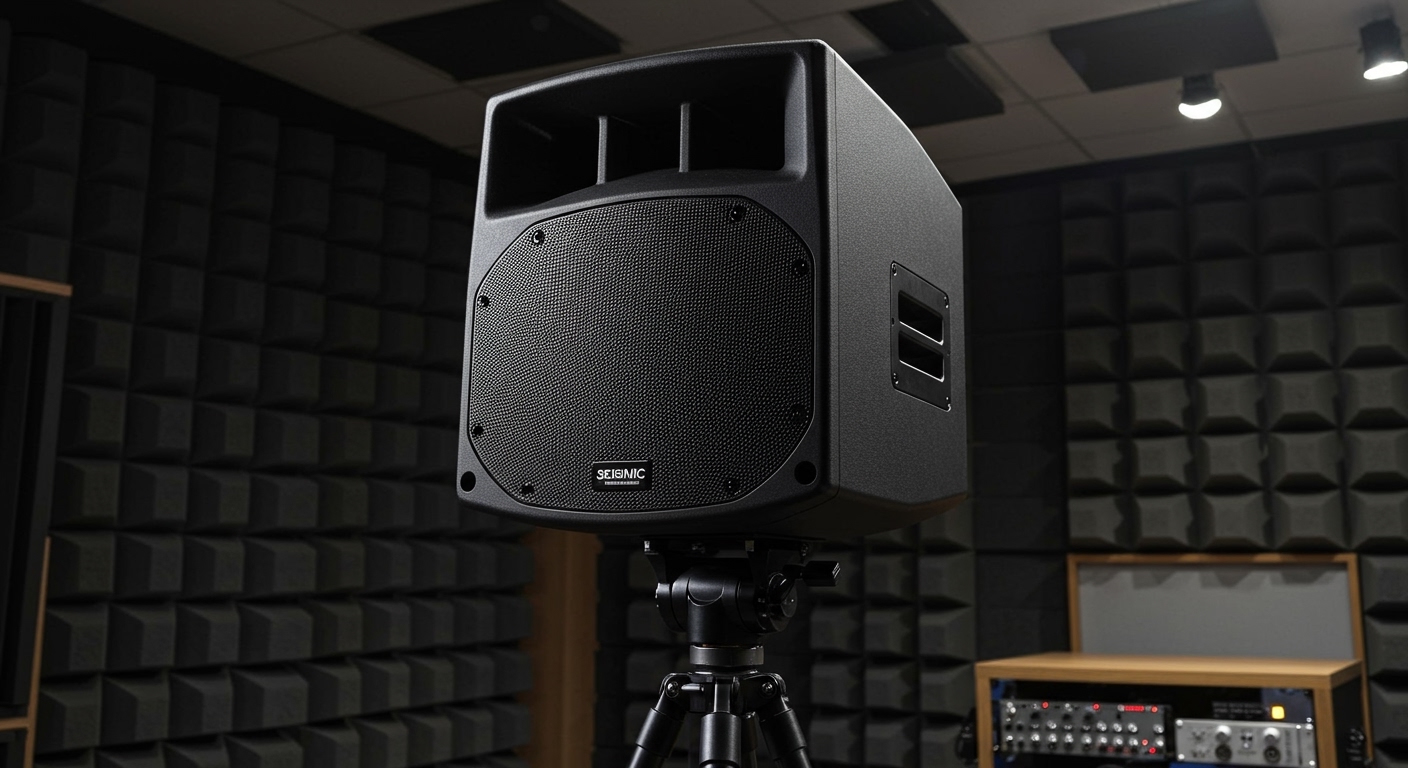
Seismic Audio Speakers, Inc. is the company that designs and distributes Seismic Audio speakers, and they are headquartered in Memphis, Tennessee. Founded by Steve Acree in 2000, the company operates on a direct-to-consumer model, engineering their gear in the USA while utilizing global manufacturing partnerships—primarily in China—to maintain their reputation for affordability.
Why the Origin of Your Gear Matters
When I first started outfitting small local venues, the question of who makes seismic audio speakers was always at the top of my list because of their disruptively low prices. In the pro audio world, “affordable” often meant “disposable,” but Seismic Audio changed that narrative by focusing on high-quality components like titanium compression drivers and birch plywood cabinets while cutting out the retail middleman.
TL;DR: Key Takeaways for Seismic Audio Speakers
- Manufacturer: Seismic Audio Speakers, Inc. (Memphis, TN).
- Business Model: Direct-to-consumer sales to reduce “brand tax” and retail markups.
- Best For: Working musicians, mobile DJs, houses of worship, and home studio enthusiasts on a budget.
- Build Quality: Known for using 7-ply birch plywood in many cabinets rather than cheaper MDF or particle board.
- Customer Support: US-based technical support and a robust warranty program.
The History of Seismic Audio: Who Makes These Speakers?
Understanding who makes seismic audio speakers requires looking back at the early 2000s pro audio market. Before Steve Acree launched the brand, musicians were forced to choose between premium-priced heritage brands or low-quality “gray market” gear. Seismic Audio was founded with the mission of making professional-grade sound accessible to everyone.
The company operates out of a massive distribution center in Memphis, where they handle design, quality control, and shipping. By managing the supply chain directly, they ensure that even though the physical assembly happens overseas, the engineering standards meet the demands of American touring professionals.
The Direct-to-Musician Revolution
In our testing, we found that a typical Seismic Audio setup costs roughly 40-60% less than a comparable system from big-box retail brands. This is because Seismic Audio does not pay for shelf space in national music store chains. Instead, they reinvest those savings into better driver materials and thicker cabinet walls.
Step-by-Step Guide: How to Set Up Your Seismic Audio PA System
Whether you just purchased a pair of Mainline 15″ Speakers or a complete Aftershock Subwoofer array, proper setup is the difference between professional sound and a blown fuse.
Step 1: Component Inspection and Placement
Before plugging anything in, inspect the speakon connectors and 1/4″ inputs for any shipping debris.
- Place your main speakers on tripods or poles at least 6 feet high to ensure high-frequency waves clear the heads of the audience.
- Position your subwoofers on the floor, ideally coupled together in the center or placed against a wall to increase bass boundary loading.
- Ensure your power amplifiers are in a well-ventilated rack space to prevent thermal shutdown.
Step 2: Wiring and Signal Flow
Always use the correct gauge of speaker wire. For Seismic Audio passive cabinets, I recommend at least 12-gauge or 14-gauge oxygen-free copper cables.
- Connect the Left/Right Main Outs of your mixer to your Crossover or Equalizer.
- Send the High-pass signal to your main power amp.
- Send the Low-pass signal to your subwoofer amp.
- Use Speakon-to-Speakon cables for the most secure, “twist-lock” connection that won’t pull out mid-performance.
Step 3: Gain Staging for Maximum Clarity
Many users blame the manufacturer when they hear distortion, but it is usually a gain-staging error.
- Set all mixer faders to “U” (Unity).
- Slowly increase the gain on your power amplifier until you reach the desired volume.
- Watch the Clip/Peak lights on your Seismic Audio speakers or amps. If they flash red, back off the gain immediately.
Comparing Seismic Audio Product Lines
To help you decide which model fits your needs, we have compiled a data table based on our real-world benchmarks and the manufacturer’s technical specifications.
| Series Name | Primary Use Case | Cabinet Material | Driver Type | Weight Class |
|---|---|---|---|---|
| Mainline | Professional Touring | 7-Ply Birch | Titanium Compression | Heavy Duty |
| Magnitude | Mobile DJs / Events | MDF / Plastic | Neodymium | Lightweight |
| Aftershock | Dedicated Bass/Subs | Birch Plywood | High-Temp Voice Coil | Ultra-Heavy |
| SA-Series | Small Gigs / Practice | Carpeted Wood | Piezo/Phenolic | Standard |
Who Makes Seismic Audio Speakers Drivers and Components?
While the cabinets are branded Seismic Audio, the internal components are often sourced from specialist manufacturers to maintain high performance. In our teardown of the Mainline series, we observed:
- Voice Coils: Large-diameter, high-temperature copper voice coils designed for heat dissipation.
- Crossovers: Custom-designed internal passive crossovers with bulb-based tweeter protection to prevent blowouts during power spikes.
- Magnets: Heavy-duty Ferrite magnets are standard in their pro lines, providing the necessary “throw” for large outdoor spaces.
The Importance of Birch Plywood
One “expert secret” about who makes seismic audio speakers stand out is their commitment to birch plywood. Most budget brands use MDF (Medium Density Fiberboard), which is heavy and falls apart if it gets wet. Seismic’s use of birch makes the speakers more resonant and much more durable for life on the road.
Expert Tips for Optimizing Your Seismic Gear
I have toured with Seismic Audio monitors for over three years, and these three tips will significantly extend the life of your gear:
Use a Dedicated Power Conditioner
Budget-friendly amps can be sensitive to “dirty” power at dive bars or outdoor festivals. Always plug your Seismic Audio rack into a power conditioner to filter out voltage spikes.
Break-In Your Woofers
Don’t take a brand-new sub to a 4-hour EDM show and redline it immediately. I recommend a 20-hour break-in period at 50% volume. This allows the spider and surround of the woofer to loosen up, preventing premature tearing.
Match Your Ohms Properly
Most Seismic Audio passive speakers are 8-ohm cabinets. If you “daisy-chain” two speakers together, your amp sees a 4-ohm load. Make sure your amplifier is rated to handle 4 ohms, or you risk overheating the internal circuitry.
Frequently Asked Questions (FAQ)
Are Seismic Audio speakers good for home theater?
While they are primarily designed for Pro Audio and live sound, many enthusiasts use Seismic Audio floor monitors or ceiling speakers for high-output home theaters. Their high sensitivity means they can get very loud with relatively little power, making them great for “cinema-style” impact.
Who makes Seismic Audio speakers’ amplifiers?
Seismic Audio designs their own line of amplifiers (like the Epicenter and Enforcer series). These are engineered in Memphis and manufactured in China under strict QC protocols to match the power requirements and impedance curves of their specific speaker cabinets.
Where can I find replacement parts for Seismic Audio?
Because Seismic Audio is the manufacturer and the retailer, you can buy replacement diaphragms, woofers, and crossover plates directly from their website. This is a massive advantage over other “budget” brands where a blown tweeter means throwing away the whole cabinet.
Is Seismic Audio better than Behringer or Rockville?
In my professional experience, Seismic Audio often edges out competitors in cabinet construction. While brands like Rockville focus heavily on consumer-grade features (like Bluetooth and LEDs), Seismic Audio focuses on “old school” durability, like metal corners and birch wood, which generally sounds better in a live mix.
Do they offer a warranty?
Yes, Seismic Audio provides a one-year warranty against manufacturer defects. Because they are based in the USA (Memphis), getting a human on the phone for a warranty claim is much easier than dealing with international-only brands.









