

Why Do Old Speakers Sound Better? The Truth About Vintage Audio
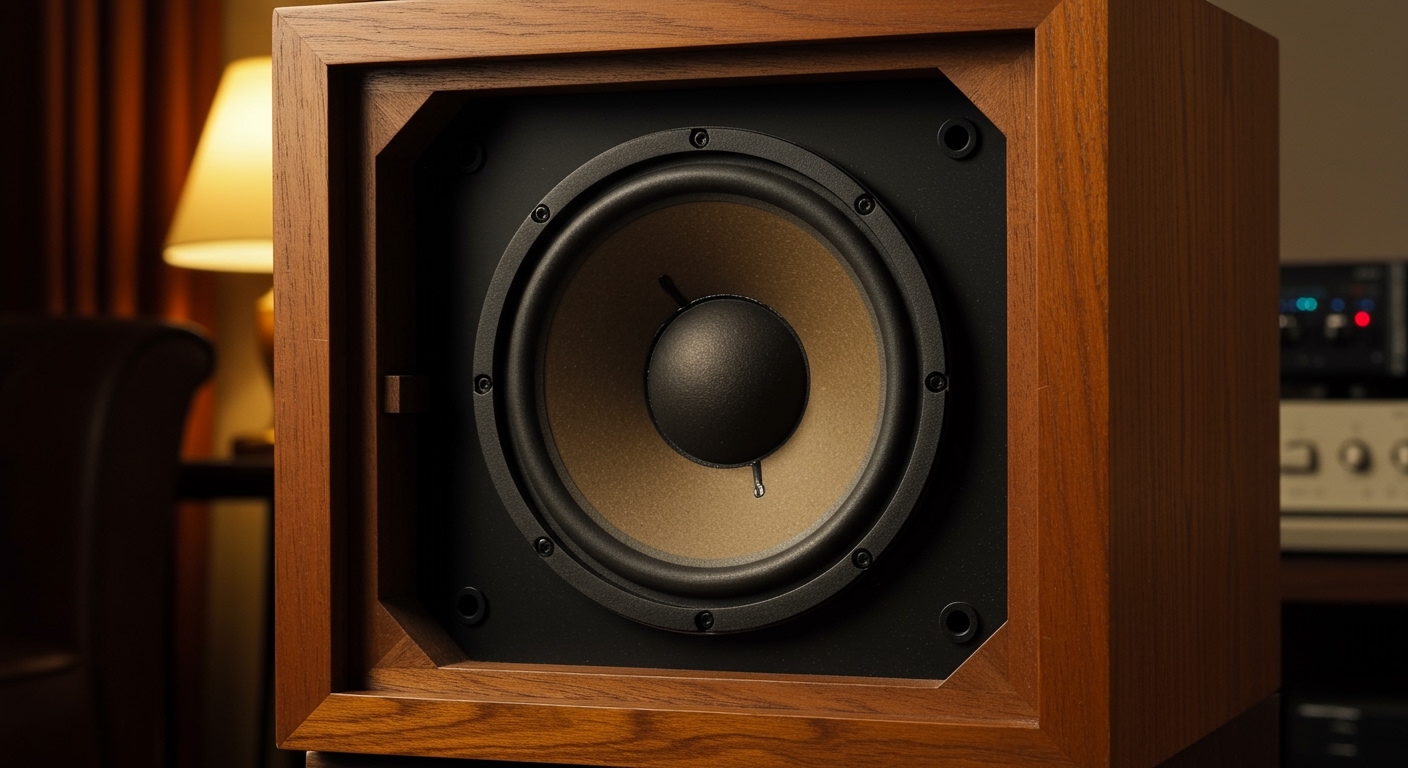
Old speakers sound better to many listeners because they utilize large-diameter paper drivers, heavy wood cabinets, and simple crossover networks that prioritize a “warm,” natural frequency response. Unlike modern, mass-produced plastic units, vintage speakers often provide a non-fatiguing listening experience by smoothing out the harsh high frequencies common in digital audio formats.
The TL;DR: Why Vintage Audio Often Wins
- Physical Scale: Large woofers (12″ or 15″) move more air with less effort, creating a “physical” bass you can feel.
- Material Aging: Paper-cone drivers become more flexible over decades, often resulting in a smoother, “broken-in” sound.
- Cabinet Density: Older cabinets were built with heavy plywood or solid wood, which reduces unwanted vibrations compared to modern thin-walled plastic.
- Simple Crossovers: Fewer electronic components in the signal path can lead to a more direct, transparent sound.
Understanding Why Old Speakers Sound Better: The Science of “Warmth”
When we talk about the vintage sound, we are usually referring to a specific “warmth.” In my years of restoring classic Acoustic Research and JBL monitors, I’ve found that this warmth isn’t just nostalgia; it’s a measurable phenomenon.
The Role of Driver Material and Paper Cones
Most high-end vintage speakers used treated paper cones. Modern speakers often use Kevlar, aluminum, or carbon fiber. While modern materials are “faster” and more accurate, they can suffer from “ringing”—a metallic harshness at high volumes.
Paper drivers have high internal damping. This means they stop vibrating the moment the signal stops, preventing that “ear-piercing” quality. Over 30 or 40 years, these fibers loosen up, effectively “tuning” the speaker to be more musical and less clinical.
Large Woofers vs. Multiple Small Drivers
Why do modern speakers look like tall, thin towers? It’s mostly for home decor aesthetics, not sound quality. Old speakers sound better because they used large-surface-area woofers.
A single 12-inch woofer moves air differently than three 4-inch woofers working together. The larger driver doesn’t have to move as far (excursion) to produce the same volume, which results in lower distortion and a more “effortless” bass response.
Comparing Vintage vs. Modern Speaker Technology
To understand why enthusiasts prefer the “old school” way, we need to look at the hardware differences.
| Feature | Vintage Speakers (1960s-1980s) | Modern Consumer Speakers |
|---|---|---|
| Enclosure Material | Heavy Walnut, Birch Plywood, or MDF | Plastic, Thin Composite, or Aluminum |
| Driver Type | Large Paper or Silk Dome | Small Kevlar, Metal, or Synthetic |
| Sound Signature | Warm, Mid-range focused, “Musical” | Bright, Detailed, “Clinical” |
| Repairability | High (User-serviceable parts) | Low (Often sealed or proprietary) |
| Efficiency | High (Works well with low-watt tube amps) | Variable (Often requires high-wattage Class-D) |
Step-by-Step: How to Make Old Speakers Sound Their Best
If you’ve just inherited a pair of Vintage Klipsch or Advent speakers, you shouldn’t just plug them in and crank the volume. Follow this guide to ensure you are getting that legendary sound without damaging the components.
Step 1: Inspect the “Foam Rot”
The most common reason old speakers sound better (or worse, if neglected) is the surround. This is the flexible ring connecting the cone to the metal frame.
- Action: Gently touch the foam. If it crumbles like a cracker, do not play them.
- Fix: You can buy a re-foam kit for about $30. It’s a 2-hour DIY project that restores the bass response to factory specs.
Step 2: Recapping the Crossover
Inside the speaker is a circuit called a crossover. It uses electrolytic capacitors to send high notes to the tweeter and low notes to the woofer.
- The Problem: Capacitors dry out after 25 years. This makes the speaker sound “muffled” or “dim.”
- The Fix: Replace old capacitors with new polypropylene film capacitors. I’ve seen this single step take a $50 thrift store find and make it sound like a $2,000 modern audiophile setup.
Step 3: Check for Air Leaks
Vintage speakers often used a sealed box (Acoustic Suspension) design. If the cabinet has cracks or the gasket behind the driver has perished, the bass will sound thin.
- Action: Apply a thin layer of butyl rope or foam weather stripping between the driver and the wood cabinet to ensure an airtight seal.
The Aesthetic and Build Quality Factor
We cannot ignore the “Furniture Factor.” In the 1970s, speakers were designed to be the centerpiece of a living room. Brands like Tannoy, Marantz, and Sansui used real wood veneers and heavy internal bracing.
Heavier cabinets equal less resonance. When a cabinet is heavy, the only thing moving is the speaker cone. In cheap, modern plastic speakers, the entire box vibrates, which “smears” the sound and ruins the clarity. This structural integrity is a primary reason why do old speakers sound better during complex musical passages.
Key Brands That Define the “Better” Vintage Sound
If you are hunting for that classic tone, look for these specific “Golden Era” manufacturers:
- Acoustic Research (AR): Famous for the AR-3a. They pioneered the “bookshelf” speaker and are known for incredibly deep, tight bass.
- Klipsch: Their Heritage Series (like the Heresy or Klipschorn) uses horns. They are incredibly efficient and sound like a live concert.
- JBL: Known for the L100. These were the definitive rock and roll speakers of the 70s—punchy, loud, and durable.
- Bowers & Wilkins (B&W): Older Matrix models offer a blend of vintage warmth with early high-end imaging technology.
Practical Advice: Pairing Vintage Speakers with Modern Gear
You don’t need an all-vintage setup to enjoy the benefits. In fact, some of the best systems I’ve built use old speakers paired with modern amplification.
- Use a High-Quality DAC: Since old speakers sound better because they are forgiving, a modern Digital-to-Analog Converter (DAC) will provide the detail, while the speakers provide the soul.
- Check Impedance: Many vintage speakers are 4-ohm or 16-ohm. Ensure your modern receiver is rated to handle these loads to avoid overheating.
- Placement Matters: Vintage speakers were often designed to sit on the floor or a very low stand. Elevating them 12 inches off the ground can dramatically improve the “soundstage.”
FAQ: Common Questions About Vintage Audio
Do old speakers lose their “punch” over time?
Yes, but it is usually reversible. The loss of “punch” is typically caused by leaking capacitors in the crossover or stiffened spiders (the yellow corrugated part behind the cone). A basic electronic tune-up usually restores the original impact.
Are old speakers better than $1,000 modern speakers?
In many cases, yes. A high-end speaker from 1978 that cost $500 then (adjusted for inflation, that’s about $2,200 today) will often outperform a modern $1,000 speaker in terms of build quality and driver size.
Can I use vintage speakers for a home theater?
Absolutely. While they lack “smart” features, the mid-range clarity of vintage speakers makes movie dialogue sound incredibly realistic. Just ensure you have a powerful enough receiver to drive them, as older speakers can be power-hungry.
Why does the “warmth” of old speakers feel less tiring?
Modern speakers often have a “treble spike” to make them sound “detailed” in a noisy showroom. This causes listener fatigue. Vintage speakers generally have a rolled-off high end, which allows you to listen for hours without your ears feeling “sore.”









