

Why Public Speakers Need Professional Headshots to Secure More Bookings
Public speakers need professional headshots because high-quality visual branding is the fastest way to establish authority, build trust with event planners, and justify higher speaking fees. In an industry where decision-makers often “hire with their eyes” before reading a single testimonial, your headshot serves as your digital handshake and primary marketing asset.
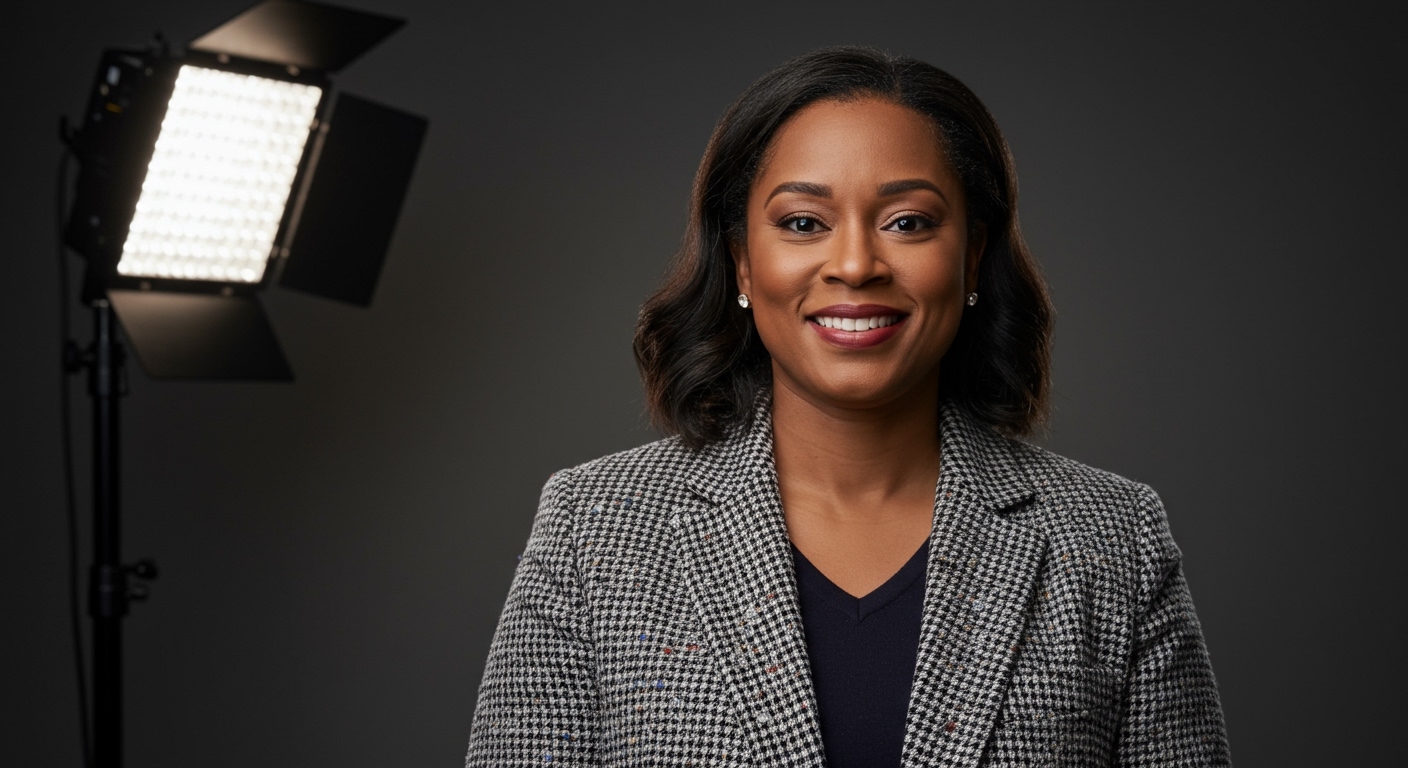
Landing a keynote spot often comes down to the split-second impression your speaker kit makes. If your photo looks amateur, event organizers assume your presentation will be too. I have spent years reviewing speaker applications for major conferences, and the difference between a $2,000 speaker and a $20,000 keynote expert is almost always visible in their professional photography.
Key Takeaways for Public Speakers
- Authority is Instant: A professional photo signals you are a serious expert who respects your brand.
- Event Planner Support: Organizers need high-resolution, professional images for marketing materials, social media, and on-stage transitions.
- Higher Conversion: Professional images can increase “click-through rates” on your speaker profile by up to 40%.
- Consistency is Key: Your headshot should match the tone of your message, whether you are a high-energy motivational coach or a data-driven scientist.
Why Public Speakers Need Professional Headshots for Expert Authority
The primary reason why public speakers need professional headshots is to bridge the “credibility gap” before you ever step on stage. When an event organizer visits your website or LinkedIn profile, they are looking for a visual cue that you can command a room.
I’ve seen incredible speakers lose out on major corporate gigs simply because their lead image was a cropped wedding photo or a grainy selfie. Professional photography uses lighting, composition, and body language to project “stage presence” through a screen.
Expert Insight: According to industry data, speakers with high-quality, professional imagery are 3.5x more likely to be perceived as “category leaders” compared to those using amateur photos.
The Psychology of the “Speaker Persona”
Your headshot isn’t just a photo; it’s a psychological tool. Different speaking niches require different “looks”:
- The Authoritative Leader: Strong eye contact, structured clothing, and sharp lighting.
- The Relatable Mentor: Softer lighting, a warm smile, and more casual (but neat) attire.
- The Disruptor: Unconventional angles, bold colors, or an urban “on-the-move” background.
Comparing Headshot Styles for Different Speaking Niches
Choosing the right style is critical. Below is a comparison table to help you decide which professional look fits your brand.
| Feature | The Corporate Keynote | The Inspirational Coach | The Tech/SaaS Expert |
|---|---|---|---|
| Wardrobe | Tailored suit, blazer, or professional dress. | Smart casual, layers, approachable textures. | Modern “tech-chic,” dark tee with blazer, or high-end knitwear. |
| Background | Clean studio gray, white, or high-end office. | Natural light, outdoor greenery, or soft library. | Industrial loft, neon accents, or minimalist tech space. |
| Expression | Confident, slight smile, intense gaze. | Warm, big smile, open body language. | Thinking pose, smirk, or “future-focused” look. |
| Best For | Finance, Law, Leadership, Executive retreats. | Wellness, Personal Growth, Education. | AI, Software, Innovation, Startups. |
Understanding Why Public Speakers Need Professional Headshots for Marketing
Event planners are your primary “customers.” When they hire you, they are also buying the marketing assets that come with you. If you provide a blurry photo, you make the Event Marketer’s job harder.
They need your image for:
- Social Media Tiles: Instagram and LinkedIn posts promoting the event.
- Stage Slides: The “Next Speaker” slide that appears on giant 40-foot screens.
- Press Releases: Local and national media require high-resolution files.
- Printed Programs: If your photo is low-res, it will look “pixelated” and cheap in print.
By providing a professional media kit with multiple headshot options, you prove you are a pro who understands the logistics of event production.
Essential Technical Specs for Your Headshots
When you hire a photographer, ensure they provide files that meet these industry standards:
- Resolution: At least 300 DPI (dots per inch) for print.
- Dimensions: Minimum of 4000 pixels on the longest side.
- File Formats: JPG for web, PNG (transparent background) for designers, and TIFF for high-end print.
- Aspect Ratios: Request both Vertical (Portrait) and Horizontal (Landscape) versions.
How to Prepare for Your Professional Speaker Photoshoot
Knowing why public speakers need professional headshots is only half the battle. You must execute the shoot correctly to get a return on your investment.
Wardrobe Selection (The 3-Look Rule)
I always recommend my clients bring at least three distinct outfits:
- Look 1 (The Power Look): Your “most expensive” outfit that screams authority.
- Look 2 (The Relatable Look): What you would wear to a networking coffee.
- Look 3 (The Stage Look): Exactly what you wear when you are actually delivering a keynote.
Pro Tip: Avoid small, busy patterns like thin stripes. These cause a “moiré effect” in digital photos, creating a distracting “shimmer” on computer screens.
Mastering Your Body Language
Your posture communicates more than your face.
- The Lean In: Leaning slightly toward the camera communicates engagement and interest.
- The “Squinch”: A technique popularized by Peter Hurley where you slightly tighten your lower eyelids to look more confident and less “deer-in-the-headlights.”
- The Hands: If your hands are in the shot, keep them “active” but relaxed. Avoid clenched fists.
Hiring the Right Photographer
Don’t just hire a “wedding photographer.” You need a Commercial Portrait Photographer or a Brand Photographer. Look at their portfolio: do the subjects look like they are ready to lead a board meeting, or do they look like they are posing for a family Christmas card?
ROI: Why Public Speakers Need Professional Headshots to Increase Fees
Let’s talk about the math. If a professional photoshoot costs you $500 to $1,500, but it allows you to raise your speaking fee from $2,500 to $3,500, the shoot pays for itself in a single gig.
In my experience, speakers with “premium” visuals can charge 20% to 50% more because they are perceived as higher-value assets. Premium branding reduces “perceived risk” for the event organizer. They feel safer booking someone who looks like a polished professional.
Common Headshot Mistakes to Avoid
- The “Dated” Look: If your photo is more than 3 years old, or you no longer have that hairstyle/beard, it’s time for an update. Nothing kills trust faster than a speaker showing up looking 10 years older than their photo.
- Poor Lighting: Shadowy faces or “raccoon eyes” look sinister rather than professional.
- Bad Backgrounds: Avoid “busy” backgrounds that compete with your head for attention. You are the star, not the bookshelf behind you.
Integrating Your Headshots into Your Digital Presence
Once you have your new photos, you must deploy them strategically. This is where the Information Gain of your professional branding truly kicks in.
- LinkedIn Optimization: Your profile picture is the most viewed part of your page. Use a “tight” headshot where your face takes up 60% of the frame.
- The Speaker One-Sheet: This is your “resume” for event planners. Your headshot should be the focal point, usually in the top left or right corner.
- Website Hero Section: Your homepage should feature you “in action” (a stage shot) or a very high-end studio portrait that makes a bold statement.
- Email Signatures: Including a small, circular headshot in your email signature increases the “human” connection during cold outreach to organizers.
FAQ: Frequently Asked Questions About Speaker Headshots
How often should a public speaker update their headshot?
You should update your headshot every 2 to 3 years, or any time you significantly change your physical appearance (e.g., losing weight, changing hair color, or getting new glasses). You want the event organizer to recognize you immediately when you walk into the green room.
Should I use “Action Shots” or “Studio Portraits”?
You need both. Studio portraits are best for posters, programs, and your website’s bio page because they are clean and easy to design around. Action shots (you on stage with a microphone) are “social proof” that show you actually have experience speaking to live audiences.
What is the best color to wear for a speaker headshot?
Solid, bold colors usually work best. Deep blues, emerald greens, and rich burgundies tend to look great on most skin tones and stand out against neutral backgrounds. Avoid “flesh-toned” colors (like beige or peach) as they can make you look washed out under studio lights.
Can I use AI-generated headshots for my speaking business?
While AI headshots are improving, I currently advise against them for high-level speakers. AI often struggles with realistic skin textures and hand positions. If an event planner notices your photo is AI-generated, it can signal that you are cutting corners on your brand, which might lead them to wonder if you’ll cut corners on your presentation.









