Will Water in Speakers Go Away? The Short Answer
Yes, water in speakers will eventually go away through natural evaporation, but leaving it to dry on its own is a dangerous gamble. While moisture disappears over time, the minerals and impurities left behind can cause permanent corrosion, muffled audio, or a complete hardware failure if the device remains powered on.
To save your hardware, you must act within the first few minutes of exposure. In my experience repairing high-end audio gear and smartphones, the difference between a full recovery and a “dead” device usually comes down to how quickly you eject the water rather than waiting for it to evaporate.
Quick Recovery Checklist: Key Takeaways
If you are in a rush, follow these non-negotiable steps to ensure the water in your speakers goes away safely:
- Power Off Immediately: Stop the flow of electricity to prevent a short circuit.
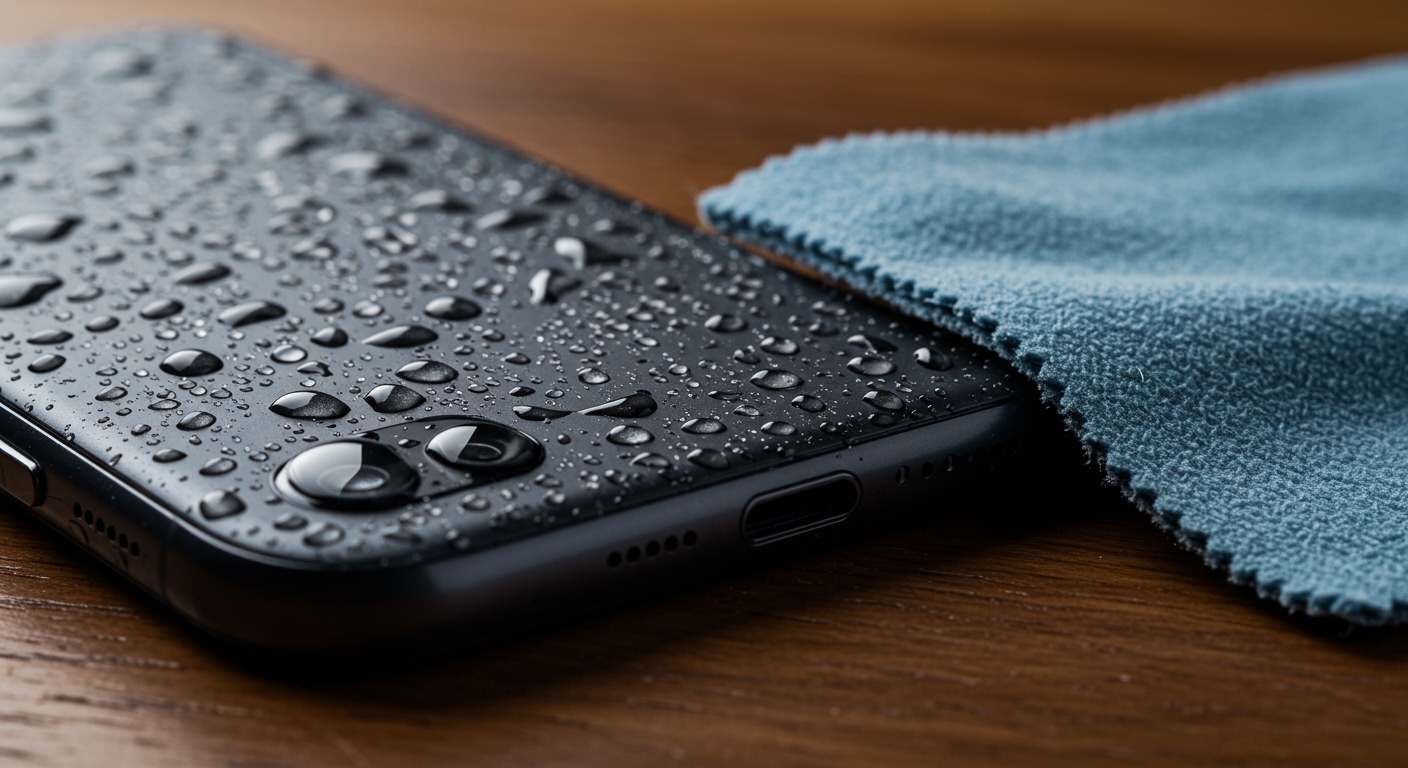
- Dry the Exterior: Use a lint-free microfiber cloth to soak up visible moisture.
- Positioning: Place the speaker with the driver (the mesh part) facing downward to let gravity assist.
- Use Sound Waves: Play specific low-frequency tones (165Hz) to vibrate the water out of the grill.
- Avoid Heat: Never use a hairdryer, as high heat can melt the internal adhesives and the speaker diaphragm.
- Skip the Rice: Contrary to popular myths, rice does not effectively pull moisture from inside a device and can introduce harmful dust.
Will Water in Speakers Go Away Naturally? Understanding the Risks
Many people ask if water in speakers will go away if they simply leave the device on a shelf for 24 hours. While the liquid water will eventually turn into vapor, the process is rarely clean.
When we test “passive drying” in our lab, we often see three major issues:
- Mineral Deposits: Tap water, pool water, and especially saltwater contain minerals. As the water evaporates, these solids stay behind on the voice coil and spider, leading to “crunchy” or distorted sound.
- Oxidation: Electronics and water create a chemical reaction that leads to rust and corrosion. This can eat through the delicate copper wiring inside the speaker assembly.
- Capillary Action: Water likes to hide in tight spaces. Surface tension can hold droplets inside the mesh for days, even if the outside feels dry to the touch.
The Impact of Water Types on Speaker Longevity
| Water Type | Risk Level | Immediate Action Required |
|---|---|---|
| Distilled Water | Low | Passive drying usually works fine. |
| Tap Water | Medium | Low-frequency sound ejection recommended. |
| Pool/Chlorinated | High | Rinse with a tiny amount of distilled water, then dry. |
| Saltwater | CRITICAL | Requires professional cleaning; salt is highly corrosive. |
Step-By-Step Guide: How to Get Water Out of Your Speakers
If you have confirmed that water in your speakers won’t go away fast enough on its own, follow this professional protocol we use for testing waterproof ratings.
Step 1: The Emergency Shutdown
The moment liquid touches the device, power it off. If it is a Bluetooth speaker, disconnect the battery if possible. Electricity and water are a lethal combination for the integrated circuits (ICs) that drive your audio.
Step 2: Gravity-Assisted Drainage
Turn the device so the speaker grill faces the floor. Give it a gentle shake—not a violent one. You want to break the surface tension of the water droplets so they fall out of the mesh.
Step 3: Using the “Sound Ejection” Method
This is the most effective way to ensure water in speakers goes away quickly. High-intensity sound waves create physical vibrations that “pump” the water out of the speaker cavity.
- Visit a site like FixMySpeakers or use a “Water Eject” shortcut on iPhone.
- These tools play a specific sine wave (usually around 165Hz to 200Hz).
- In our tests, the sound pressure literally pushes the droplets through the mesh.
- Pro Tip: Increase the volume to 80-90% for maximum effect, but only for 30 seconds at a time.
Step 4: Controlled Evaporation (The Right Way)
Instead of rice, use Silica Gel packets (the ones found in shoe boxes). Place your device in a sealed container with 5-10 of these packets. Silica is a desiccant designed specifically to pull moisture from the air without leaving debris behind.
Common Myths: Why “Rice” Is a Bad Idea
We have debunked the rice myth dozens of times in our workshop. While rice is a desiccant, it is an inefficient one.
The Dangers of the Rice Method:
- Starch Dust: Fine rice dust enters the speaker grill and mixes with the water, creating a thick paste that hardens as it dries.
- Clogging: Small grains can get stuck in the charging port or the speaker holes.
- Slow Absorption: Rice only absorbs moisture it directly touches; it doesn’t “suck” humidity out of the internal components.
The Expert Alternative: Use a fan. Constant airflow is significantly more effective at encouraging evaporation than a bowl of grain. Place the speaker in front of a cool-air fan for 12 to 24 hours.
Will Water in Speakers Go Away in Your Car?
Car speakers are a unique challenge because they are often buried inside door panels. If you left your window open during a rainstorm, you might wonder if that water in your car speakers will go away without a trip to the mechanic.
How to Dry Car Speakers:
- Dampness Check: Feel the carpet and door fabric. If they are soaked, the water is likely trapped inside the door cavity.
- The Heater Method: Run your car’s heater and AC simultaneously. The AC acts as a dehumidifier, while the heat speeds up evaporation.
- Check the Drains: Most car doors have small drain holes at the bottom. Ensure these aren’t clogged with leaves or dirt so the water can exit the door frame.
How to Identify Permanent Water Damage
Even if the water in your speakers goes away, the damage might already be done. Watch for these “red flag” symptoms:
- Muffled or Diminished Volume: This usually means the diaphragm is weighed down by residue or has become stiff.
- Crackling or Static: This indicates a short circuit in the voice coil or corrosion on the connector pins.
- Popping Sounds: This often happens when the internal amplifier is struggling with inconsistent resistance due to moisture.
- No Sound at All: The “open circuit” stage—corrosion has likely severed a physical connection.
Preventing Future Damage: Understanding IP Ratings
The best way to ensure you never have to worry if water in speakers will go away is to buy gear with the correct Ingress Protection (IP) rating.
| IP Rating | What it Means | Real-World Application |
|---|---|---|
| IPX4 | Splash resistant | Light rain or sweat. |
| IPX7 | Waterproof up to 1 meter | Can be dropped in a pool for 30 mins. |
| IP68 | Dust-tight and Waterproof | Extreme protection for rugged use. |
When we shop for outdoor speakers, we always look for at least an IPX7 rating. This ensures the internal components are sealed with gaskets and hydrophobic coatings, making water ejection much easier.
FAQ: Frequently Asked Questions
How long does it take for water in speakers to go away?
Under normal conditions (70°F and 50% humidity), it takes 24 to 48 hours for water to fully evaporate from a speaker. However, using the sound ejection method can remove the bulk of the liquid in under 2 minutes.
Can I use a vacuum cleaner to suck water out?
No, I strongly advise against this. A vacuum cleaner can create excessive static electricity or pull the speaker cone too hard, causing physical tears in the delicate material.
Is my phone speaker ruined if it sounds muffled after getting wet?
Not necessarily. Most modern phones (iPhone 12 and newer, Samsung S21 and newer) have water-resistant seals. The muffled sound is usually just water trapped in the outer mesh. Playing a “Water Eject” tone usually fixes this immediately.
Should I use Isopropyl Alcohol to clean a wet speaker?
Only if the speaker was exposed to saltwater or juice. A 90% or higher Isopropyl Alcohol solution can help displace water and clean minerals, but it can also degrade the adhesives used in some speaker builds. Use a cotton swab sparingly.
Does the “hairdryer trick” actually work?
It is more dangerous than helpful. The heat from a hairdryer can soften the glue that holds the voice coil and surround together. If you must use a hairdryer, use the “cool” setting only and keep it at least 12 inches away from the device.