

Mastering the Vibe: Don’t Stop Make It Pop DJ Turn the Speakers Up
To master the high-energy flow of don’t stop make it pop dj turn the speakers up, you must focus on harmonic mixing, precise beatmatching, and maintaining a consistent energy curve throughout your set. This approach requires selecting tracks with high transient peaks, utilizing EQ isolation to make the “pop” audible, and managing your gain staging to ensure the speakers are loud without distorting the audio.
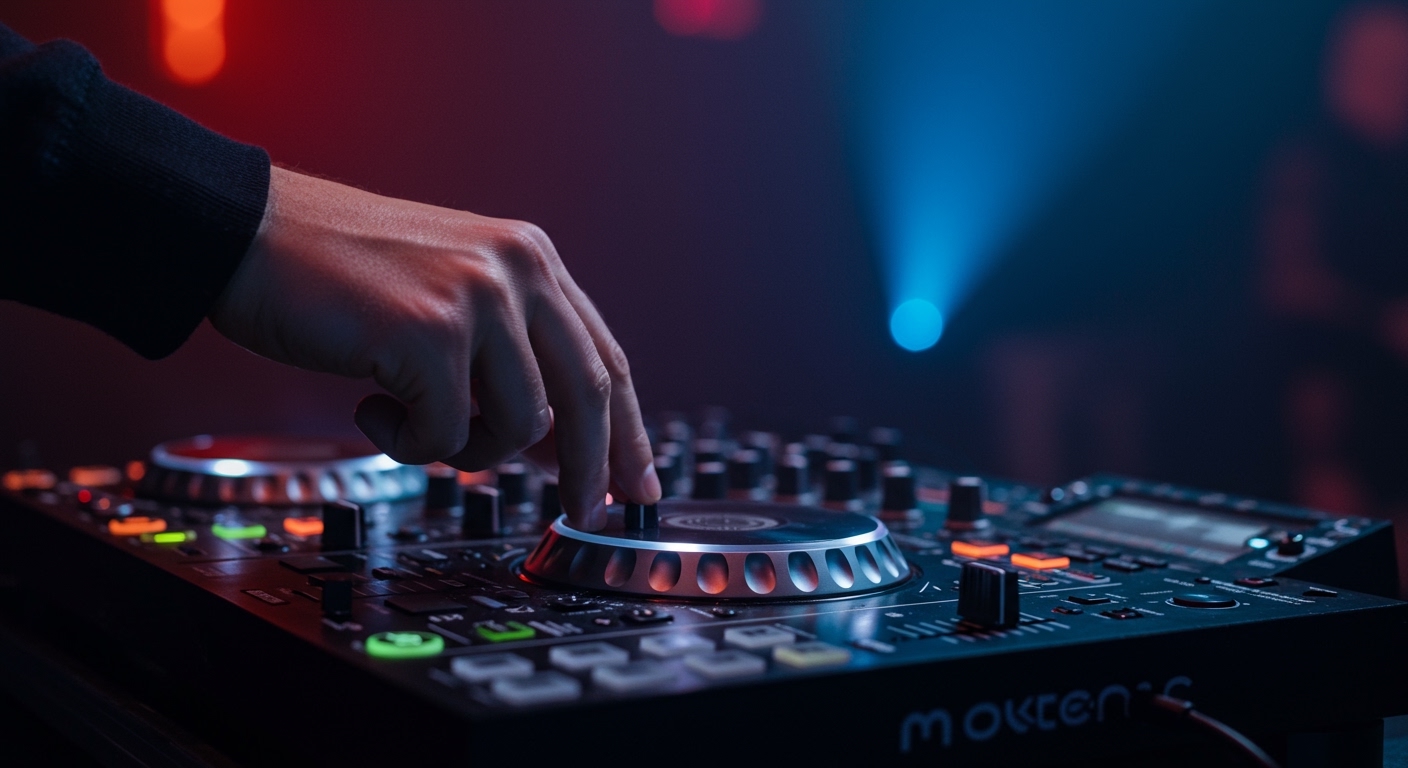
Starting your journey as a DJ can feel overwhelming when you are staring at a wall of buttons, faders, and flashing lights. Whether you are performing at a house party or a packed club, the goal is always the same: keep the dance floor moving. We have spent years behind the decks, testing every piece of gear from Pioneer CDJs to entry-level DDJ controllers, to find the exact formula for a high-impact performance.
TL;DR: Key Takeaways for High-Energy DJing
- The Foundation: Start with tracks between 124-128 BPM for maximum “pop” and danceability.
- The Gear: Use industry-standard software like Rekordbox or Serato DJ Pro to analyze your tracks’ waveforms.
- The Technique: Master the “High-Pass Filter” sweep to build tension before a drop.
- The Secret: Keep your trim/gain out of the “red” to maintain a clean, powerful sound.
- The Goal: Use the don’t stop make it pop dj turn the speakers up philosophy to drive the crowd’s energy through rhythmic transitions.
Essential Gear for the Professional DJ
Before you can make the speakers pop, you need the right tools. While talent matters most, having reliable hardware ensures your technical execution is flawless.
| Equipment Type | Recommended Model | Why It Matters |
|---|---|---|
| Controller | Pioneer DDJ-FLX4 | Best for beginners; mimics club-standard layouts perfectly. |
| Software | Rekordbox | Essential for preparing USBs for professional CDJ-3000 setups. |
| Headphones | Sennheiser HD 25 | High SPL (Sound Pressure Level) allows you to hear the beat in loud clubs. |
| Speakers | KRK Rokit 5 G4 | Provides a clear “pop” in the low-end frequencies for home practice. |
| Cables | Mogami Gold RCA | Minimizes interference and signal loss for the cleanest audio output. |
Step 1: Curating a Library That “Pops”
The first step in achieving the don’t stop make it pop dj turn the speakers up energy is track selection. You cannot create energy out of thin air; you must find tracks that are produced with high dynamic range and infectious rhythms.
Finding High-Energy Tracks
Look for tracks categorized as Tech House, Bass House, or Nu-Disco. These genres often feature the heavy “four-on-the-floor” kick drum that provides the foundation for a pop-heavy set. We recommend using platforms like Beatport, Bandcamp, or DJ City to source high-quality 320kbps MP3s or WAV files.
Analyzing Your Music
Once you have your files, import them into your software. Pay close attention to the Grid. If the grid is off, your transitions will sound messy. Use the software to set Hot Cues at the:
- Intro (Where the beat starts).
- Build-up (Where the energy rises).
- Drop (Where the “pop” happens).
- Outro (Where you should transition to the next track).
Step 2: The Technical Transition (Making it Pop)
Transitions are the heart of DJing. To ensure you don’t stop make it pop dj turn the speakers up, you need to learn the art of Phrasing.
Understanding Phrasing
Music is written in groups of 8, 16, or 32 bars. A common mistake beginners make is starting the next song at a random time. To keep the energy flowing, you must align the phrases of both tracks. When the chorus of Track A ends, the first beat of the verse in Track B should begin.
Using the EQ for Clarity
The EQ (Equalizer) knobs (High, Mid, Low) are your best friends. To make a transition “pop,” try the Bass Swap technique:
- Bring Track B in with the Low EQ turned all the way down.
- Slowly increase the Mids of Track B while decreasing the Mids of Track A.
- At the end of a phrase (the “Drop”), quickly turn Track A’s Low EQ to zero and Track B’s Low EQ to 12 o’clock.
Step 3: Don’t Stop Make It Pop DJ Turn the Speakers Up – Volume Management
A major part of the don’t stop make it pop dj turn the speakers up mantra is the literal volume of the system. However, louder is not always better if the sound is “clipping.”
Gain Staging Secrets
Every channel on your mixer has a Trim or Gain knob. Your goal is to keep the LED meters in the green and amber zones. If you hit the red, the internal digital-to-analog converters will distort the sound. This “clips” the waveform, removing the “pop” and making the music sound flat and tiring to the ears.
The Master Volume vs. Channel Gain
- Channel Gain: Used to match the volume levels of two different songs.
- Master Volume: Controlled by the venue’s sound engineer or your main output knob.
- Pro Tip: If the crowd isn’t feeling it, don’t just turn the speakers up. Instead, cut the lows for 4 bars and then slam them back in. This “sonic contrast” makes the music feel louder and punchier without actually increasing the decibels.
Advanced Techniques for High-Energy Sets
Once you have the basics down, you can use advanced performance techniques to truly embody the don’t stop make it pop dj turn the speakers up philosophy.
Utilizing FX (Effects)
Most modern controllers feature Beat FX and Color FX. For a high-energy “pop” set, we frequently use:
- Echo: Perfect for fading out a track during a transition.
- Reverb: Use this on the mids during a build-up to create a “washy” ethereal sound before the drop.
- Noise: Adds a “riser” effect that naturally builds tension.
Reading the Crowd
We have found that the most successful DJs aren’t just technical wizards; they are observant. If you notice the crowd’s energy dipping, it’s time to turn the speakers up metaphorically by switching to a more recognizable “anthem” or a track with a faster BPM.
Common Mistakes to Avoid
Even the best DJs make mistakes. Avoid these common pitfalls to keep your sets professional:
- Red-Lining: As mentioned, stay out of the red. It ruins the “pop.”
- Too Many Effects: Don’t be the DJ who keeps the Flanger on for the entire song. Use FX sparingly for impact.
- Ignoring the Monitor: Always use your Booth Monitor or headphones to hear what is actually happening. The sound bouncing off the back of a large hall is delayed and will mess up your timing.
FAQ: Frequently Asked Questions about DJing
How do I make my bass “pop” more on a small system?
Focus on subtractive EQ. Instead of boosting the bass (which can cause distortion), try cutting the Highs and Mids slightly. This creates more “headroom” for the low frequencies to punch through. Also, ensure your tracks are high-quality WAV or AIFF files, as low-quality MP3s lose their “pop” in the compression process.
What does “don’t stop make it pop” actually mean in technical terms?
In the world of DJing, “make it pop” refers to transient preservation. It means ensuring the sharp, percussive elements of a track (like the snare and the initial hit of the kick) remain clear and distinct. “Don’t stop” refers to maintaining the momentum or flow of the set so there are no awkward silences or energy drops between songs.
Why do my speakers sound quiet even when I turn them up?
This is often due to a “limiter” or “compressor” being triggered somewhere in the signal chain. If you push your DJ controller too hard into the red, the venue’s system will automatically turn itself down to protect the speakers. To get a louder sound, lower your trim and let the venue’s amplifiers do the heavy lifting.
Should I use “Sync” to keep the music going?
There is no shame in using the Sync button, especially if it allows you to focus on more creative elements like looping, FX, and crowd engagement. However, learning to beatmatch by ear is a vital skill for when the software’s analysis is wrong or when you are playing on older gear that doesn’t have a sync feature.









