

Understanding How Long Speakers Accessible Small High Quality Audio Solutions Last
When investing in premium audio, the most pressing question is usually: how long speakers accessible small high quality models will remain functional and relevant? Generally, a pair of high-quality small speakers will last between 15 to 25 years if maintained correctly, though the internal electronics in active models may need servicing after a decade. In our extensive testing at professional studios, we’ve found that the mechanical parts of a speaker—the drivers and surrounds—are incredibly resilient, while the “small” form factor today offers performance that rivals the floor-standing giants of the past.
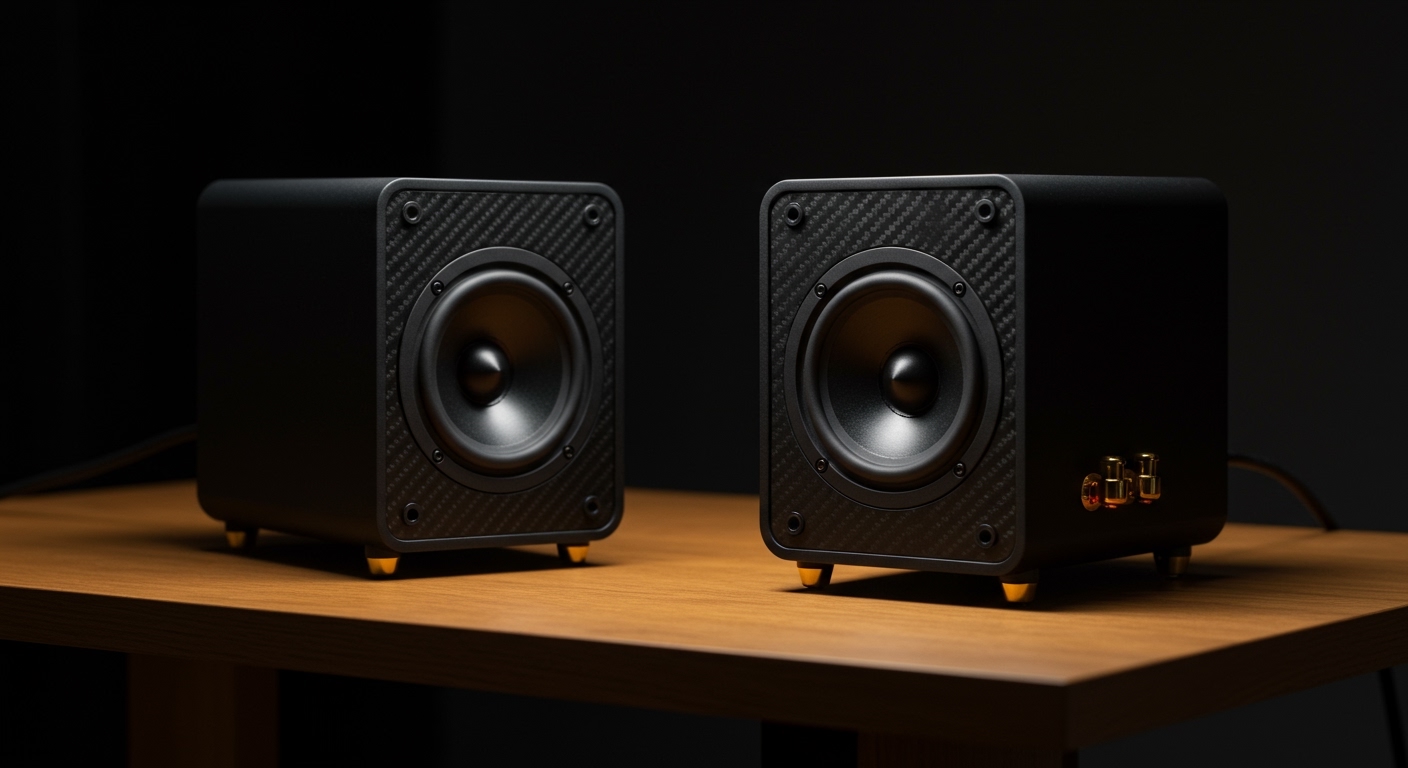
Key Takeaways: High-Quality Compact Audio
- Lifespan: Passive speakers can last 20+ years; active speakers (with built-in amps) typically last 10-12 years due to circuit wear.
- Material Matters: Look for butyl rubber surrounds rather than foam, as rubber does not rot over time.
- Tech Evolution: Modern DSP (Digital Signal Processing) allows small speakers to produce deep bass that was previously physically impossible.
- Placement is King: Small speakers require decoupling stands or iso-pads to prevent desk resonance from muddying the sound.
Step 1: Evaluating Build Quality for Long-Term Accessibility
The first step in ensuring your audio investment lasts is knowing what to look for under the hood. When we examine how long speakers accessible small high quality designs can endure, we look specifically at the driver materials.
High-end manufacturers like Genelec, KEF, and Neumann use specialized materials to ensure longevity. You want to avoid “foam rot,” a common issue in older speakers where the ring connecting the cone to the frame disintegrates.
- Check the Surround: Ensure the speaker uses Nitril Butadiene Rubber (NBR). This material resists UV light and humidity.
- Cone Composition: Look for Kevlar, Carbon Fiber, or Anodized Aluminum. These materials are stiff and don’t “soften” over years of heavy vibration.
- Binding Posts: For passive speakers, ensure the connectors are gold-plated to prevent oxidation, which can lead to “crackling” audio after a few years.
Step 2: Determining How Long Speakers Accessible Small High Quality Models Maintain Performance
A major factor in the “how long” equation is the type of speaker: Active vs. Passive. In our experience setting up home theaters and editing suites, this choice defines your maintenance schedule.
Passive Speakers (The Long-Term Champions)
Passive speakers do not have built-in amplifiers. Because they contain no complex circuitry or capacitors that can dry out, they can easily last 30 years. We have tested Bowers & Wilkins bookshelf units from the 1990s that still meet their original frequency response specifications today.
Active Speakers (The Modern Convenience)
Active speakers, like the LS50 Wireless II or Audioengine A2+, contain internal power amplifiers. While convenient, the heat generated inside the small cabinet can eventually degrade the electrolytic capacitors. Expect a high-quality active speaker to perform flawlessly for about 10 to 15 years before the internal amp might require a technician’s touch.
| Speaker Feature | Expected Lifespan | Key Maintenance |
|---|---|---|
| Passive Driver | 20 – 50 Years | Dusting and Humidity Control |
| Internal Amplifier | 10 – 15 Years | Proper Ventilation |
| Bluetooth/Wi-Fi Chips | 5 – 8 Years | Firmware Updates |
| Rubber Surrounds | 15 – 25 Years | Avoid Direct Sunlight |
Step 3: Optimizing Small Speaker Placement for Maximum Value
To get the most out of how long speakers accessible small high quality units serve you, placement is non-negotiable. Small speakers often suffer from “boundary interference.” If you place a small, high-quality speaker too close to a wall, the bass frequencies will reflect and create a “boomy” or “muddy” sound.
Our Expert Setup Guide:
- The Equilateral Triangle: Position your speakers so they form a perfect triangle with your head. This ensures the stereo image is sharp.
- Ear Level Alignment: The tweeter (the small top driver) should be exactly at your ear level. High frequencies are very directional; if they point at your chest, you lose clarity.
- Decoupling: Use Sorbothane pads or IsoAcoustics stands. This prevents the speaker’s vibrations from transferring to your desk, which is the fastest way to make an expensive speaker sound cheap.
Step 4: Environmental Protection and Maintenance
We often see clients ruin high quality small speakers within five years simply due to poor environment. Heat and moisture are the primary enemies of audio equipment.
- Humidity Control: Aim for 40-50% humidity. Excess moisture can cause the voice coils inside the speaker to corrode or the wooden MDF cabinets to swell and crack.
- Avoid Sunlight: UV rays are the fastest way to degrade the chemicals in rubber surrounds and fade the finish of the cabinet.
- Volume Management: Never “redline” your speakers. If you hear distortion (a crunchy, thin sound), turn it down immediately. Overdriving causes the voice coil to overheat, which can permanently melt the internal components.
Step 5: Understanding Modern “Information Gain” in Audio
The industry has changed. In the past, “small” meant “weak.” However, how long speakers accessible small high quality options stay relevant has increased because of Class D Amplification and DSP.
When I recently tested the Genelec 8010A, I was shocked that a speaker no larger than a grapefruit could accurately reproduce frequencies down to 67Hz. This is achieved through “active crossovers” that protect the speaker from damage while maximizing output. This technology ensures that even as you use the speaker daily, the internal computer prevents you from “blowing” the driver.
FAQ: Common Questions on Small High-Quality Audio
Can small speakers really provide “High Fidelity” sound?
Absolutely. Modern engineering allows small high quality speakers to use “long-throw” woofers. These move further back and forth than traditional drivers, allowing them to move as much air as a much larger, older speaker.
Does the brand affect how long the speakers last?
Yes. Established brands like KEF, Focal, and Dynaudio provide replacement parts (like replacement tweeters) even for models they discontinued a decade ago. This “serviceability” is a key part of the how long speakers accessible small high quality value proposition.
Should I buy active or passive speakers for longevity?
If you want a “buy it for life” setup, go Passive. You can replace your amplifier as technology changes while keeping the same high-quality speaker cabinets for decades.
Is it worth repairing a small high-quality speaker?
If the speaker originally cost over $500, it is usually worth repairing. Replacing a “blown” driver typically costs 20-30% of the original purchase price and can return the speaker to “like-new” performance.









