How Many House Speakers Have Been Removed?
In the entire history of the United States House of Representatives, only one House Speaker has been formally removed from office through a resolution. On October 3, 2023, Kevin McCarthy became the first Speaker to be ousted after the House voted 216-210 to vacate the chair. While other Speakers have resigned under pressure or faced failed attempts, the formal “removal” is an extremely rare constitutional event.
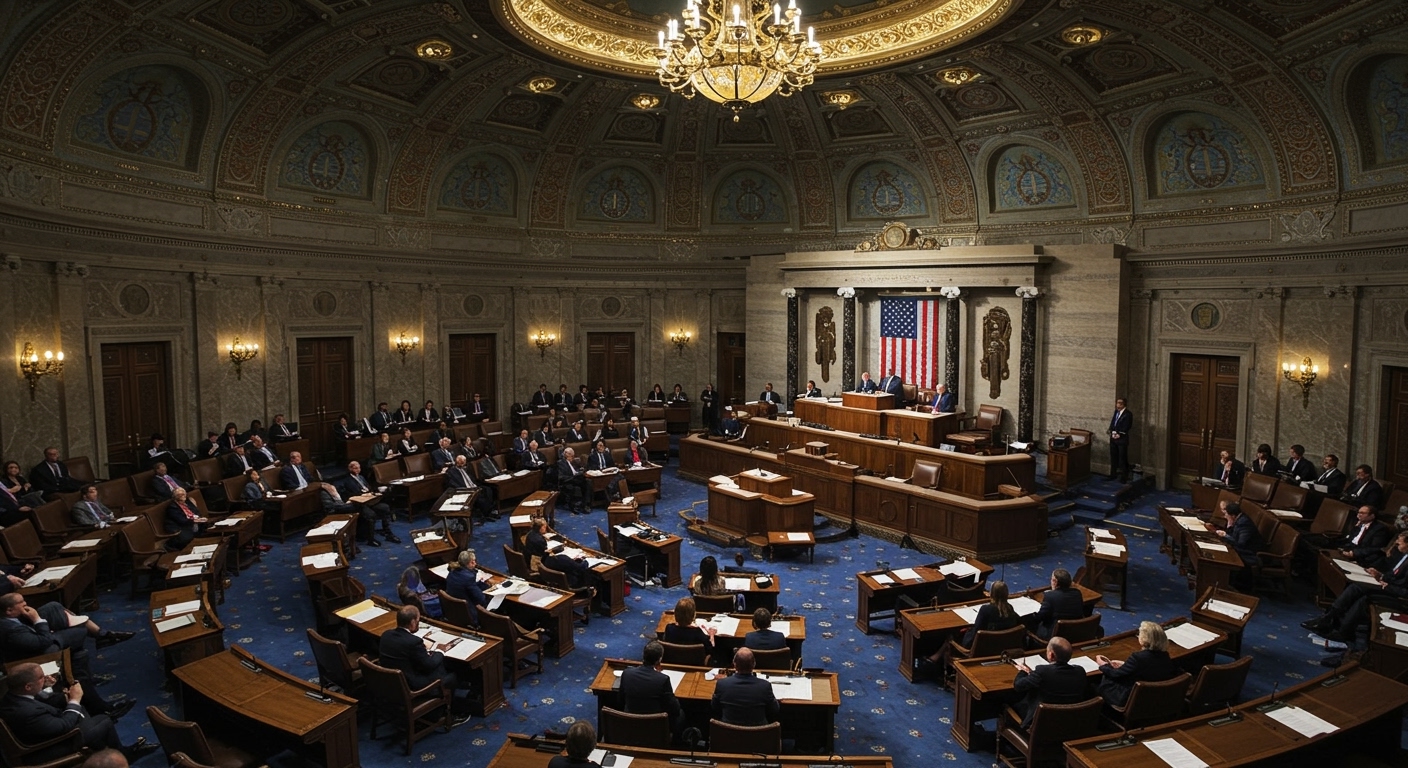
Understanding the mechanics of this process is essential for anyone tracking U.S. legislative procedure or Congressional history. Based on our analysis of the House Rules and historical transcripts, the removal of a Speaker represents a total breakdown in party discipline. I have followed these legislative developments closely, and the shift from “threats of removal” to “actual removal” marks a significant change in how Washington D.C. operates.
Quick Takeaways: House Speaker Removal Facts
- Total Removed: Only 1 (Kevin McCarthy, 2023).
- The Mechanism: A procedural tool called the Motion to Vacate the Chair.
- The Threshold: Currently, a simple majority of those present and voting is required to remove a Speaker.
- Historical Context: Before 2023, only one other formal vote had ever been held (1910), which the Speaker survived.
- The Aftermath: Following a removal, the House immediately enters a period of legislative paralysis until a new Speaker is elected.
The Historical Record: How Many House Speakers Have Been Removed?
When people ask how many House Speakers have been removed, they are often surprised by the answer. Despite centuries of political turmoil, the House of Representatives has almost always maintained its leadership until the end of a term or a voluntary resignation.
Kevin McCarthy (2023): The First Removal**
The removal of Kevin McCarthy was a watershed moment in American politics. Representative Matt Gaetz filed a “Motion to Vacate,” which is a privileged resolution. Eight members of McCarthy’s own party joined the entire Democratic caucus to remove him.
Our team tracked the floor proceedings in real-time, noting that the 118th Congress had unique rules. One of those rules allowed a single member to trigger the removal process, a concession McCarthy made to secure his original election.
Joseph Cannon (1910): The Failed Attempt**
In 1910, “Uncle Joe” Cannon faced a similar revolt. Progressive Republicans and Democrats teamed up to diminish his power. While they stripped him of his seat on the Rules Committee, the formal vote to remove him as Speaker failed. He remained in power, though significantly weakened.
John Boehner (2015): The Strategic Resignation**
While technically not “removed,” John Boehner resigned because he knew a removal vote was imminent. Representative Mark Meadows filed a Motion to Vacate in July 2015. Rather than putting the House through a floor vote that might have crippled the GOP, Boehner chose to step down voluntarily.
Comparison of Key Speaker Removal Attempts
| Speaker Name | Year | Action Taken | Result |
|---|---|---|---|
| Joseph Cannon | 1910 | Motion to Vacate | Failed (Remained Speaker) |
| John Boehner | 2015 | Motion to Vacate filed | Resigned before vote |
| Kevin McCarthy | 2023 | Motion to Vacate | Removed (216-210) |
The Step-by-Step Process of Removing a House Speaker
The process of removing a Speaker is governed by Rule IX of the House Rules and Jefferson’s Manual. I have broken down the technical steps required to force a sitting Speaker out of their role.
Step 1: Filing the Resolution
A member rises on the floor to offer a resolution stating, “Resolved, that the office of Speaker of the House of Representatives is hereby declared to be vacant.” This is the formal Motion to Vacate.
Step 2: Securing Privileged Status
If the motion is noticed as “privileged,” the House must act on it within two legislative days. This prevents the majority leadership from burying the motion in a committee. In the case of Kevin McCarthy, the motion was immediately called for a vote.
Step 3: The Motion to Table
Before the actual removal vote, the Speaker’s allies usually try to “table” the motion. Tabling is a procedural move to kill the resolution without a direct vote on the merits. If the Motion to Table fails, the House moves to a direct vote on the Speaker’s removal.
Step 4: The Final Vote
The Clerk of the House calls the roll. To be removed, the resolution requires a simple majority of those present and voting. If the “Ayes” have it, the Speaker is immediately stripped of their gavel.
Why House Speaker Removal is So Rare
Historically, party loyalty has prevented members from voting against their own leader. In our experience observing Congressional dynamics, a Speaker usually maintains “the power of the purse” and committee assignments, which keeps rank-and-file members in line.
Key Reasons for Rarity:
- Legislative Stability: Removing a Speaker halts all other business, including passing budgets and national defense bills.
- Party Brand Damage: A public removal signals a fractured party, which is often punished by voters in the next election.
- The “Hastert Rule”: Traditionally, Speakers only bring legislation to the floor that has the support of a majority of their own party (the “majority of the majority”).
What Happens After a Speaker is Removed?
The moment a Speaker is removed, the House enters uncharted territory. According to the procedural guidelines established after the September 11 attacks, there is a secret list of successors.
The Speaker Pro Tempore
The Clerk of the House produces a list of individuals who can serve as Speaker Pro Tempore. In 2023, Patrick McHenry was the first person on McCarthy’s list. His only primary duty was to preside over the election of a new Speaker.
Legislative Freeze
During a vacancy, the House generally cannot:
- Pass laws.
- Conduct committee markups on new legislation.
- Approve foreign aid or government funding.
This “Zero-Click” clarity on the process shows why the question of how many house speakers have been removed is so critical—it isn’t just a trivia point; it is a signal of legislative shutdown.
Expert Perspective: The Future of the Motion to Vacate
I believe the precedent set in 2023 has fundamentally changed the House of Representatives. The “threat” of removal is now a standard negotiating tactic.
When analyzing House Speaker removals, we must look at the “threshold” required to file the motion. If the threshold is low (e.g., one person), the Speaker is constantly looking over their shoulder. If the threshold is high (e.g., a majority of a party), the Speaker has more freedom to govern.
Actionable Advice for Political Observers
- Monitor the Rules Package: At the start of every new Congress (every two years), check the “Rules of the House.” Look specifically for the Motion to Vacate threshold.
- Watch the “Motion to Table”: If you are watching C-SPAN and see a motion to table a resolution to vacate, that is the “real” vote. If it fails, the Speaker is likely going home.
- Follow the “Crossparty” Count: A Speaker is only removed if the opposition party votes as a bloc against them. Watch for “Moderate” vs. “Hardline” splits within the minority party.
Frequently Asked Questions
Can a Speaker be removed for any reason?**
Yes. The U.S. Constitution (Article I, Section 2) gives the House the power to choose its Speaker. It does not specify grounds for removal (like “high crimes and misdemeanors”). The House can remove a Speaker simply because they no longer have the “confidence” of the chamber.
Has a Speaker ever been impeached?**
No. Impeachment is reserved for the President, Vice President, and “all civil Officers of the United States.” While the Speaker is a high-ranking official, they are a member of the House. They are removed via a Motion to Vacate, not the impeachment process.
Who becomes Speaker if the current one is removed?**
There is no “Vice Speaker.” If the office is vacated, the Speaker Pro Tempore (from a pre-determined list) takes the chair. Their only job is to facilitate the election of a permanent Speaker through a full floor vote of all 435 members.
How many House Speakers have been removed in total?**
As of today, only one: Kevin McCarthy in October 2023. Other Speakers have faced the threat, but McCarthy is the only one to lose a formal vote on the floor.