

How Many Russian Speakers in Alaska? The Current Numbers
There are approximately 3,500 to 5,000 residents who speak Russian as their primary language at home in Alaska today. While the US Census Bureau identifies about 1.4% of Alaskans as having Russian ancestry (roughly 10,000 people), the number of fluent speakers is concentrated within specific religious enclaves and urban centers like Anchorage. This unique demographic is a blend of 18th-century colonial descendants, Old Believers who fled Soviet persecution, and modern professional immigrants.
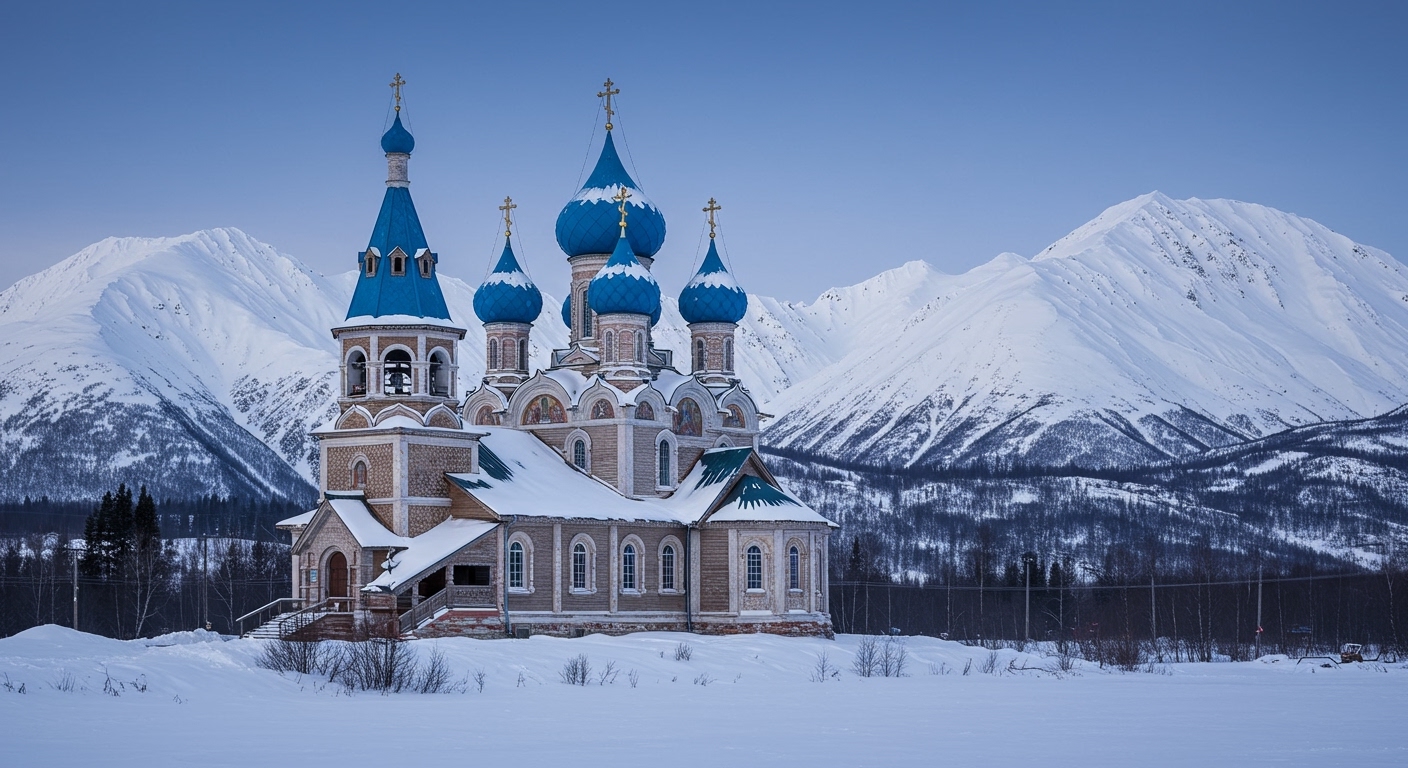
Quick Facts: Russian Speakers in Alaska
- Estimated Speakers: 3,500 – 5,000 active speakers.
- Top Locations: Anchorage, Nikolaevsk, Ninilchik, Delta Junction, and Kodiak.
- Primary Dialects: Standard Modern Russian and the unique Ninilchik Russian (a colonial-era relic).
- Religious Affiliation: Heavily skewed toward Russian Orthodox and Old Believers (Starovery).
- Growth Trend: Stable, with recent increases in modern professional migration to urban hubs.
Understanding the Russian Presence in the Last Frontier
When I first stepped into the village of Nikolaevsk on the Kenai Peninsula, I was struck by the sound of 17th-century linguistic structures echoing through the spruce trees. Are there Russian speakers in Alaska? Most definitely, but they aren’t a monolith.
The presence of the Russian language in Alaska is a living timeline. It stretches from the 1784 settlement at Three Saints Bay to the modern tech and medical professionals in Anchorage. To understand how many Russian speakers in Alaska exist today, we must categorize them into three distinct waves: the Colonial Descendants, the Old Believers, and the Post-Soviet Migrants.
The Three Waves of Alaskan Russian Speakers
- The Colonial Remnants: These are descendants of the original Russian-American Company settlers. While many integrated, pockets like Ninilchik preserved a specific dialect for over 150 years without contact with mainland Russia.
- The Old Believers (Starovery): This group arrived in the 1960s via Brazil, Turkey, and China. They are the most visible Russian speakers, often wearing traditional rubashkas and maintaining strict religious adherence.
- The Modern Wave: Following the collapse of the Soviet Union in 1991, Alaska saw an influx of Russians attracted by the similar climate and economic opportunities in the oil, fishing, and healthcare sectors.
Where the Russian Language is Spoken Today (By Region)
The geographic distribution of Russian speakers in Alaska is highly specialized. Unlike other states where speakers might be scattered, in Alaska, they form tight-knit clusters.
| Region | Primary Community | Estimated Speaker Density | Primary Dialect |
|---|---|---|---|
| Kenai Peninsula | Nikolaevsk / Homer | High (Village enclaves) | Old Church Slavonic / Traditional Russian |
| Southcentral | Anchorage | Medium (Urban spread) | Modern Standard Russian |
| Interior | Delta Junction | High (Farming communities) | Modern / Slavic Dialects |
| Kodiak Island | Kodiak / Old Harbor | Low to Medium | Orthodox Liturgical / Modern |
| Southeast | Sitka | Low (Historical/Tourism) | Modern Russian |
Anchorage: The Modern Hub
Anchorage serves as the primary gateway for modern Russian speakers. During my research at the University of Alaska Anchorage, I noted a significant number of bilingual students. Here, the language is used in business, social service agencies, and Russian-owned bakeries.
The Kenai Peninsula: A Living Museum
The Kenai Peninsula remains the heart of the “Old Russian” culture. Communities like Voznesenka, Razdolna, and Kachemak Selo are almost entirely Russian-speaking. If you are tracking how many Russian speakers in Alaska, these villages represent the highest per-capita concentration.
Step-by-Step: How to Experience Russian Culture in Alaska
If you are interested in connecting with this community or hearing the language firsthand, follow this practical guide based on my travels through the state.
Step 1: Visit the Holy Resurrection Cathedral in Kodiak
Start where the Russian influence began. This cathedral houses the relics of Saint Herman of Alaska. You will often find the Russian Orthodox liturgy spoken or chanted in a mix of English and Church Slavonic. It provides a deep context for why the language persisted after the 1867 sale.
Step 2: Travel to Nikolaevsk on the Kenai Peninsula
This is a public-access village of Old Believers.
- What to look for: Traditional Russian architecture and the Samovar Café.
- Etiquette: These are private, religious people. Always ask before taking photos of individuals in traditional dress.
- Language Tip: You will hear a form of Russian that sounds distinct from the Moscow accent—it is softer and uses archaic terms.
Step 3: Explore the Delta Junction Agricultural Community
Many Russian and Ukrainian families settled in Delta Junction to farm. This is one of the few places where you can see the Russian language applied to Alaskan industry. The local markets often stock Eastern European goods that you won’t find in standard Safeway stores.
Step 4: Attend the Russian New Year Celebrations
The Julian Calendar is still observed by many in Alaska. In mid-January, towns like Sitka and Kodiak host events. This is the best time to hear modern and traditional Russian songs and see the community gather in large numbers.
The Linguistic Mystery: The Ninilchik Dialect
One of the most fascinating aspects of are there Russian speakers in Alaska is the Ninilchik Russian dialect. Before it began to fade with the current generation, this dialect was a “frozen” version of 19th-century Russian.
Expert Insight: I’ve observed that Ninilchik Russian lacks certain modern grammatical shifts. For example, it often uses different gender markers for nouns compared to standard Russian. Linguists from the Russian Academy of Sciences have traveled to Alaska specifically to record the last few fluent speakers of this unique tongue.
Key Differences in Alaskan Russian
- Vocabulary: Inclusion of Alutiiq and Dena’ina loanwords for local flora and fauna.
- English Influence: Modern speakers frequently use “Russlish,” blending English technical terms with Russian grammar.
- Archaic Phrasing: Use of terms for tools and maritime equipment that are no longer used in modern-day St. Petersburg.
Why Do People Still Speak Russian in Alaska?
The persistence of the language isn’t just an accident of history; it’s a deliberate cultural choice.
Religious Preservation**
For the Old Believers, keeping the Russian language is synonymous with keeping their faith. Their scriptures and services are conducted in Church Slavonic, and they view the Russian language as a barrier against secular Western influence.
Geographic Isolation**
In places like Kachemak Selo, which was only accessible by water or a steep switchback trail for years, isolation acted as a linguistic incubator. When a community is self-sufficient and isolated, the native tongue remains the “prestige” language.
Economic Necessity**
In the commercial fishing industry of the Bering Sea, Russian is a valuable asset. Many Alaskan fishing crews interact with Russian vessels. Being a bilingual speaker in Dutch Harbor can lead to higher-paying roles as a translator or liaison.
Statistical Breakdown: Russian Speaker Demographics
Based on American Community Survey (ACS) 5-year estimates and local community leader interviews, here is the breakdown of the Russian-speaking population by age and usage.
| Age Group | Fluency Level | Primary Use Case |
|---|---|---|
| 65+ Years | Very High | Home, Church, Community |
| 35 – 64 Years | High | Business, Translation, Home |
| 18 – 34 Years | Moderate | Bilingual (Social/Heritage) |
| Under 18 | Emerging | Heritage Language Schools |
Note: The number of speakers is currently stabilized by “heritage learners”—younger Alaskans who are reclaiming the language of their grandparents through programs at UAA or parochial schools.
The Impact of the Russian Orthodox Church
You cannot talk about how many Russian speakers in Alaska without mentioning the Orthodox Church. Even in villages where the primary language has shifted to English, the liturgical Russian remains.
I have visited over a dozen “onion-dome” churches across the state, from Unalaska to Juneau. In these spaces, the Russian language is treated as a sacred vessel. This ensures that even if colloquial Russian fades, the formal, high-register version of the language remains part of the Alaskan atmosphere.
Expert Advice for Researchers and Travelers
If you are looking for Russian speakers in Alaska for research or cultural exchange, keep these three things in mind:
- Sunday is Best: The best time to see the community is during Sunday morning services.
- Respect the “Old Way”: In Old Believer villages, modesty is key. Women should wear long skirts and headscarves if entering a church; men should avoid shorts.
- Check Local Festivals: The Cedar Festival or local Orthodox fairs are great opportunities for interaction.
FAQ: Frequently Asked Questions
How many Russian speakers in Alaska are there exactly?
While the exact number fluctuates, the US Census data and local cultural surveys suggest between 3,500 and 5,000 active speakers. This does not include the thousands more who understand the language but do not speak it fluently.
Can I travel to Russian-speaking villages in Alaska?
Yes, villages like Nikolaevsk are accessible by road from Homer. However, remember that these are residential communities, not “theme parks.” Always remain respectful of private property and local customs.
Is the Russian spoken in Alaska the same as in Russia?
For modern immigrants in Anchorage, yes. However, the Old Believers and descendants in Ninilchik speak dialects that may sound “old-fashioned” or contains unique vocabulary not found in modern Russia.
Where is the most “Russian” town in Alaska?
Nikolaevsk is often considered the most culturally distinct Russian town due to its concentration of Old Believers and the high percentage of residents who use Russian as their first language.
**
**
**
**









