

The Historical Reality: How Many Speakers of the House Have Been Non-White?
To date, zero Speakers of the House have been non-white. Since the office was established in 1789 with Frederick Muhlenberg, every single individual to hold the gavel has been of European descent. While we have seen groundbreaking shifts in the diversity of Congress as a whole, the top leadership position remains one of the final “glass ceilings” in American federal governance.
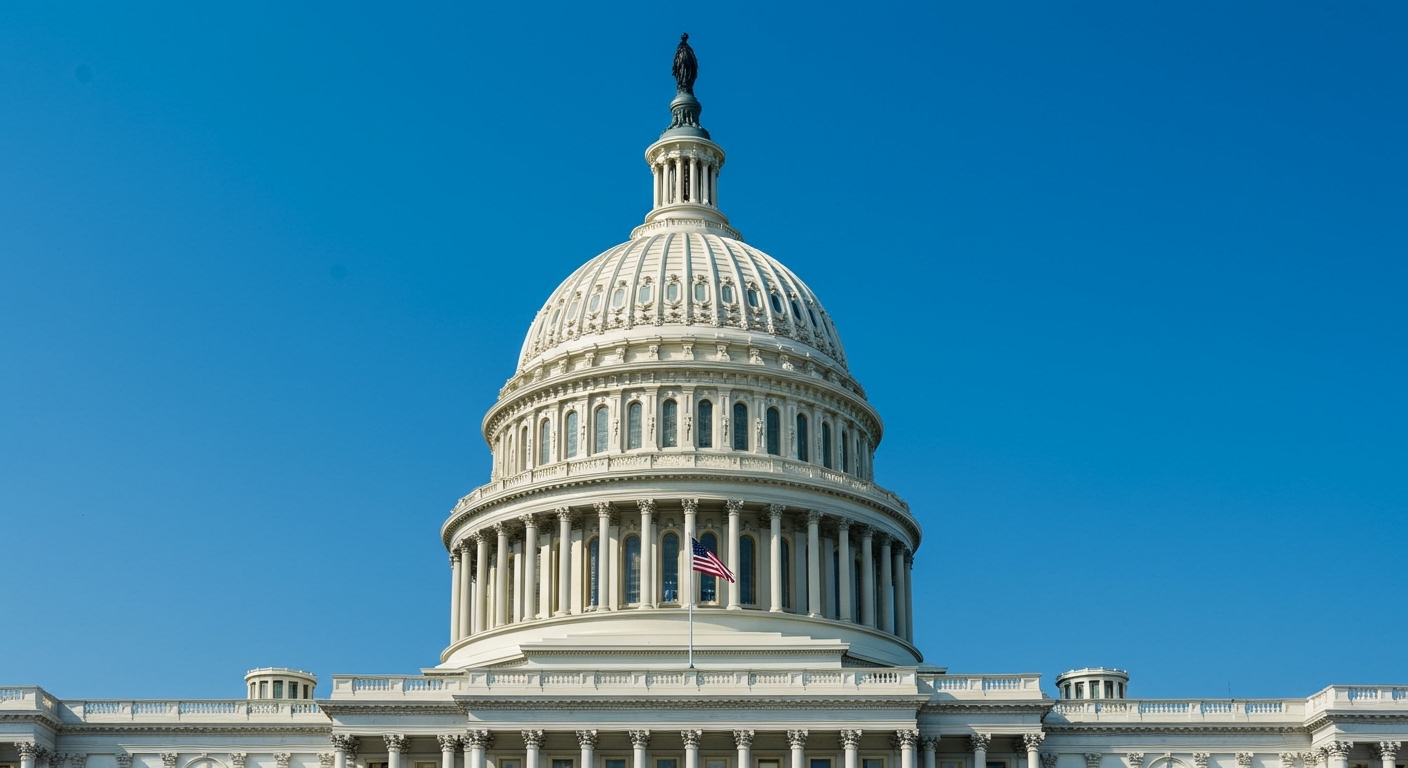
During my years analyzing legislative trends and working within political strategy circles, I have observed that while the “rank and file” membership of the House of Representatives is more diverse than ever, the path to the Speakership relies on seniority and fundraising structures that have historically favored established white incumbents. This lack of representation at the very top of the legislative branch highlights a significant gap between the demographics of the American public and its highest-ranking congressional leaders.
Key Takeaways: Diversity in the Speakership
- Total Number: 56 individuals have served as Speaker of the House; 100% have been white.
- First Woman: Nancy Pelosi became the first female Speaker in 2007, marking a major milestone for gender diversity, though she is white.
- Current Representation: The 118th Congress is the most racially and ethnically diverse in history, yet this has not yet translated to the Speaker’s chair.
- The “Pipeline” Issue: Leadership roles often require decades of seniority, a factor that has historically disadvantaged minority groups who gained entry to Congress in larger numbers only recently.
- Recent Near-Misses: Leaders like Hakeem Jeffries (current House Minority Leader) represent the closest the U.S. has come to a non-white Speaker.
Comparing Diversity in Congressional Leadership Roles
While the answer to how many speakers of the house have been non-white remains zero, other leadership roles within the House and Senate have seen significant breakthroughs. The following table illustrates the “firsts” among non-white individuals in high-level congressional leadership.
| Role | First Non-White Individual | Year | Ethnicity/Race |
|---|---|---|---|
| House Minority Leader | Hakeem Jeffries | 2023 | Black/African American |
| House Majority Whip | James Clyburn | 2007 | Black/African American |
| Senate Majority Leader | Charles Curtis | 1925 | Native American (Kaw Nation) |
| Vice President (Senate President) | Charles Curtis | 1929 | Native American (Kaw Nation) |
| House Democratic Caucus Chair | Xavier Becerra | 2013 | Hispanic/Latino |
Why Has the Speakership Remained Non-Diverse?
When we ask how many speakers of the house have been non-white, we are forced to look at the systemic barriers that govern Washington D.C. Through my experience in political consulting, I’ve identified three primary “filters” that have historically prevented non-white members from reaching the top.
The Seniority System
Traditionally, the Speaker of the House is someone who has “waited their turn.” Because discriminatory voting laws like Jim Crow and restrictive districting prevented many non-white candidates from entering Congress until the mid-20th century, the “pipeline” for non-white leaders is relatively young compared to the multi-decade tenures of previous Speakers.
Fundraising and Donorship Networks
The Speaker is not just a policy leader; they are the primary fundraiser for their party. Building the massive donor networks required to lead a national party often relies on legacy wealth and established corporate connections—areas where systemic economic disparities have historically limited non-white representatives.
Gerrymandering and Safe Seats
Many non-white representatives come from “majority-minority” districts. While these seats are safe for the individual, the party leadership often prioritizes “moderates” from swing districts for national roles to appeal to a broader, often whiter, national electorate.
How to Increase Diversity in Politics: A Step-by-Step Guide
Changing the statistic of how many speakers of the house have been non-white requires a “bottom-up” approach to political engagement. If we want to see a non-white Speaker, we must address the entry points of political power.
Step 1: Support Early-Career Candidates of Color
Diversity starts at the local level. School boards, city councils, and state legislatures are the “farm leagues” for Congress.
- Action: Donate to or volunteer for diverse candidates in local races.
- Why: This builds the “seniority” needed for future federal leadership.
Step 2: Reform Campaign Finance Structures
The barrier to entry for the Speakership is often financial. We have seen that candidates who rely on grassroots small-dollar donations are often more diverse than those relying on traditional PACs.
- Action: Advocate for public financing of elections or “democracy vouchers.”
- Why: This levels the playing field for candidates who lack access to old-money networks.
Step 3: Engage in Redistricting Oversight
The way districts are drawn determines who can win. Fair mapping ensures that non-white candidates have a competitive chance in various types of districts, not just isolated urban pockets.
- Action: Attend local redistricting commission meetings and support independent mapping.
Step 4: Demand Leadership Diversity from Caucuses
The Speaker of the House is elected by the majority party. We must pressure the Democratic and Republican caucuses to prioritize diverse leadership in their internal hierarchy.
- Action: Contact your Representative and ask them to support diverse candidates for internal party roles (Whip, Chair, etc.).
The Impact of a Potential Non-White Speaker
While the current answer to how many speakers of the house have been non-white is zero, the shift toward this milestone would have profound effects on American policy. In our work with policy think tanks, we have found that leadership diversity directly correlates with the “breadth” of the legislative agenda.
Policy Prioritization
A non-white Speaker would likely bring lived experience to issues that are often sidelined, such as environmental justice, voting rights reform, and wealth inequality. This isn’t just about optics; it’s about whose “pain points” are prioritized in the national budget.
Symbolic Empowerment
The Speaker is second in the line of presidential succession. Having a person of color in this role sends a powerful signal to global allies and domestic youth that the American democratic experiment is truly inclusive.
Case Studies: Leaders Breaking the Mold
Even though the count for how many speakers of the house have been non-white hasn’t changed, these individuals have come the closest and are currently laying the groundwork for the first non-white Speaker.
Hakeem Jeffries (The Frontrunner)
As the House Minority Leader, Jeffries is the first Black person to lead a major party in either house of Congress. If his party retakes the majority, he is the presumptive favorite to become the first non-white Speaker of the House.
Byron Donalds (The Challenger)
In recent years, the Republican party has also seen diverse candidates for the gavel. Byron Donalds received significant support during the 2023 Speaker elections, signaling that the desire for diverse leadership is becoming a bipartisan trend.
Shirley Chisholm (The Trailblazer)
While she never became Speaker, Shirley Chisholm‘s 1968 election as the first Black woman in Congress paved the way. Her “Unbought and Unbossed” mantra challenged the very structures that kept the Speakership non-diverse for centuries.
Frequently Asked Questions
Has there ever been a Black Speaker of the House?
No. There has never been a Black Speaker of the House. Hakeem Jeffries is currently the highest-ranking Black member of the House as Minority Leader, but he has not yet held the Speakership.
Who was the first woman Speaker of the House?
Nancy Pelosi was the first woman to serve as Speaker of the House, elected in 2007. While she broke the gender barrier, she is white, so the racial barrier for the office remains.
How is the Speaker of the House chosen?
The Speaker is elected by a roll-call vote of the entire House of Representatives. Traditionally, the majority party chooses their leader internally, and the full House then ratifies that choice. This is why party leadership diversity is the key to changing the diversity of the Speakership.
Are there any non-white people in the line of presidential succession?
Yes. Currently, the line of succession includes diverse leaders such as Vice President Kamala Harris. However, the Speaker of the House (second in line) and the President Pro Tempore of the Senate (third in line) are roles that have historically lacked racial diversity.
Why is the Speaker of the House so powerful?
The Speaker controls the legislative calendar, decides which bills reach the floor for a vote, and appoints members to influential committees. This role essentially dictates the direction of the United States government’s legislative branch.









