

Understanding How Smart Speakers Fit into Omnichannel Marketing
How smart speakers fit into omnichannel marketing is by acting as a frictionless, hands-free bridge that connects a consumer’s physical environment to a brand’s digital ecosystem. By leveraging Voice User Interfaces (VUI), businesses can provide instant utility, personalized recommendations, and seamless purchasing options that complement mobile, desktop, and in-store experiences.
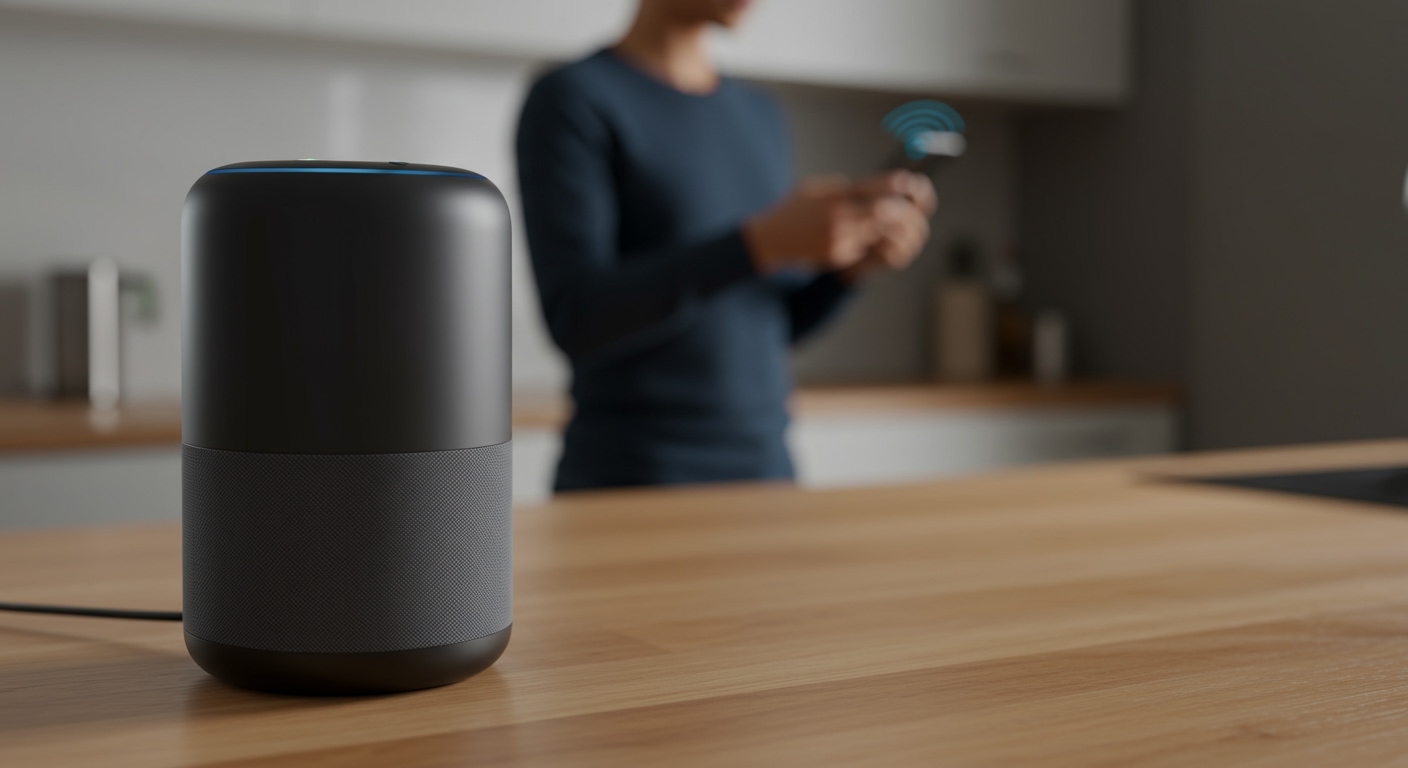
In my years of implementing conversational AI strategies, I have found that smart speakers are no longer just “novelty devices.” They are critical data touchpoints. They allow you to capture intent-rich audio data that helps predict consumer behavior across other channels like email or social media.
🚀 Key Takeaways: Smart Speaker Integration
- Zero-Friction Entry: Voice allows users to interact with your brand while performing other tasks (cooking, driving, etc.).
- Data Enrichment: Voice interactions provide unique insights into natural language patterns and specific user needs.
- Platform Dominance: Amazon Alexa and Google Assistant currently hold over 80% of the market share.
- Conversion Catalyst: Using voice for “re-ordering” or “checking status” increases customer lifetime value (CLV).
- Consistency is Key: Your brand’s voice persona must match your visual branding across the omnichannel funnel.
Why Smart Speakers are Critical for Omnichannel Strategy
The modern consumer journey is non-linear. A customer might see an ad on Instagram, research the product on a laptop, and then ask their smart speaker for a local price comparison. If your brand isn’t present in that voice search, you lose the “last mile” of the sale.
We have observed that users perceive voice interactions as more personal than clicking a banner ad. This creates a high level of brand intimacy. When a user asks, “Alexa, ask [Brand Name] for my order status,” they are inviting your business into their private living space.
The Power of “Screenless” Engagement
Smart speakers allow you to reach customers in moments where screens are unavailable. This “ambient computing” ensures your brand is present during morning routines, household chores, or evening relaxation. By integrating these moments into your omnichannel marketing, you create a 360-degree brand presence.
Step 1: Optimize for Natural Language and Voice SEO
To understand how smart speakers fit into omnichannel marketing, you must first master Voice Search Optimization (VSO). Unlike traditional text search, voice queries are longer, more conversational, and usually phrased as questions.
Target Long-Tail “Question” Keywords
People don’t say “Weather New York” to a speaker; they ask, “What is the weather in New York today?” You must optimize your content to answer these specific Who, What, Where, and How questions. We recommend using tools like AnswerThePublic or Semrush to find these triggers.
Focus on Featured Snippets (Position Zero)
Smart speakers typically read the top result—the Featured Snippet. To win this spot, provide direct, concise answers (40-50 words) at the beginning of your blog posts or FAQ pages. Use Schema Markup (specifically Speakable schema) to tell search engines which parts of your content are voice-friendly.
Step 2: Create a Custom Brand “Skill” or “Action”
A “Skill” (for Amazon Alexa) or an “Action” (for Google Assistant) is the voice equivalent of a mobile app. This is where you can truly differentiate your omnichannel strategy.
Provide Utility, Not Just Ads
Don’t build a skill that just reads your “About Us” page. Instead, create something useful. For example, a home improvement brand could create a “Stain Removal Guide” skill. When the user is in their laundry room and asks for help, your brand provides the solution.
Practical Implementation Steps:
- Identify a Pain Point: What is a simple task your customers do frequently?
- Map the Dialogue: Write a script that feels natural and helpful.
- Develop the API: Connect your voice skill to your existing product database or CRM.
- Promote the Skill: Use your email list and social media to tell customers, “Just say: Alexa, open [Brand Name].”
Step 3: Leverage Programmatic Audio Advertising
If you aren’t ready to build a full app, you can still fit into the omnichannel mix via audio ads. Platforms like Spotify, Pandora, and iHeartRadio allow for targeted audio placements on smart speakers.
Contextual Targeting
We have seen significant success by matching the ad content to the time of day. A coffee brand might run ads between 7:00 AM and 9:00 AM when users are asking for their morning news briefings. This makes the advertisement feel like a helpful suggestion rather than an interruption.
Interactive Audio Ads
Newer technologies allow for “Shake-to-Act” or voice-responsive ads. A listener can hear an ad and say, “Send me the coupon,” and the link is instantly sent to their smartphone. This is a perfect example of how smart speakers fit into omnichannel marketing by bridging the gap between audio and mobile.
Step 4: Sync Voice Data with Your CRM
The true power of omnichannel marketing is the unification of data. Every time a user interacts with your voice skill, that data should flow into your Customer Relationship Management (CRM) system.
Personalizing the Next Touchpoint
If a user asks their smart speaker about “hiking boots,” your omnichannel engine should trigger a personalized email 24 hours later with a discount code for those specific boots. This creates a cohesive experience where the user feels “understood” by the brand.
| Data Point Captured | Potential Omnichannel Action |
|---|---|
| Voice Search Query | Triggered Retargeting Ad on Social Media |
| Daily Routine/Time of Interaction | Optimizing Email Send Times |
| Product Inquiry | Personalized SMS Discount Code |
| Customer Support Question | Follow-up Survey via Mobile App |
Step 5: Drive “Voice Commerce” (V-Commerce)
The ultimate goal of most omnichannel strategies is conversion. Smart speakers simplify the “re-purchase” phase of the buyer’s journey.
Frictionless Re-Ordering
For CPG (Consumer Packaged Goods) brands, voice is a goldmine. If a customer is running low on laundry detergent, saying “Alexa, re-order my detergent” is much faster than opening a laptop. By making your products “Voice-Shopable” on Amazon or Walmart, you lock in loyalty.
Incentivizing Voice Transactions
Encourage users to try voice shopping by offering voice-exclusive deals. For example: “Order via Google Assistant today and get 10% off.” This moves the customer into the voice channel, where they are more likely to stay for future repeat purchases.
Comparing Smart Speaker Platforms for Marketers
| Feature | Amazon Alexa | Google Assistant | Apple Siri (HomePod) |
|---|---|---|---|
| Market Share | ~50-60% | ~25-30% | ~5-10% |
| Commerce Integration | Excellent (Amazon Store) | Good (Google Shopping) | Limited (Apple Ecosystem) |
| Third-Party Support | 100,000+ Skills | Extensive Actions | Focused on HomeKit |
| Search Engine | Bing | Google (Mixed) | |
| Primary Strength | Shopping & E-commerce | Information & Search | Privacy & Music |
Advanced Tactics: Flash Briefings and Notifications
To stay top-of-mind, brands can utilize Flash Briefings. These are short (1-2 minute) daily audio updates that users subscribe to.
Becoming a Daily Habit
If you are a financial advisor, you could offer a “60-Second Market Update” every morning. By providing value daily, you build immense E-E-A-T (Experience, Expertise, Authoritativeness, and Trustworthiness). When that user eventually needs a full financial consultation, your brand is the first one they think of.
Push Notifications
While regulated strictly to avoid spam, certain voice platforms allow for “Proactive Suggestions.” If a user’s package has arrived or a price has dropped on a “watched” item, the smart speaker can pulse a light to notify them. This notification bridges the gap between the digital transaction and the physical arrival of goods.
Overcoming Challenges in Voice Marketing
Integrating smart speakers isn’t without hurdles. Privacy is the number one concern for consumers. According to recent surveys, over 40% of users are worried about their devices “always listening.”
Building Trust Through Transparency
Be clear about what data you collect. If you build a Skill, ensure your privacy policy is easily accessible. We recommend using voice interactions to provide value first and ask for data second.
The “No-Screen” Constraint
Since most smart speakers (excluding those like the Echo Show) lack a screen, you cannot rely on visual cues. Your copywriting must be descriptive and evocative. Use sonic branding—a specific jingle or sound effect—to help users identify your brand immediately without seeing a logo.
Future Trends: The Evolution of Ambient Intelligence
As we look toward the future, how smart speakers fit into omnichannel marketing will evolve from reactive to proactive.
- Multimodal Experiences: Users will start a search on a speaker and have the visual results automatically pushed to their smart TV or phone.
- Predictive Ordering: Using AI and Machine Learning, smart speakers will suggest purchases before the customer even realizes they are out of stock.
- Emotion AI: Advanced VUI will be able to detect a user’s tone of voice (frustrated, happy, hurried) and adjust the brand’s response accordingly.
Frequently Asked Questions
Do I need a huge budget to start smart speaker marketing?
No. You can start by optimizing your existing website content for Voice Search (VSO) using Schema Markup. This costs nothing but time and significantly improves your omnichannel reach.
Is Alexa or Google Assistant better for B2B marketing?
Google Assistant is generally better for B2B because it integrates deeply with Google Workspace and is the default assistant on millions of Android devices used for work.
How do I measure the success of a voice skill?
Focus on Unique Users, Session Duration, and Intent Fulfillment Rate. If you are using voice for commerce, track Attributed Sales by using unique promo codes specifically for voice users.
Can smart speakers help with local SEO?
Absolutely. “Near me” queries are the most common voice searches. Ensuring your Google Business Profile is updated is the single best way to appear in local voice results.
Will voice marketing replace traditional SEO?
No. Voice is a complementary channel. It sits alongside traditional SEO, social media, and email marketing as part of a holistic omnichannel strategy.









