

Master the Craft: How to Make Mason Jar Speakers for Audiophile Sound
Learning how to make mason jar speakers is a rewarding DIY project that combines vintage aesthetics with surprisingly clear acoustic performance. To build these, you essentially mount a full-range speaker driver into the lid of a glass jar, wire it to a mini-amplifier, and seal the enclosure to create a resonant chamber.
This guide leverages our years of experience in DIY audio engineering to help you build a pair of speakers that don’t just look good—they sound professional. By the end of this tutorial, you will have a functional, high-fidelity audio system built from common household items and affordable electronic components.
Quick Summary: Key Takeaways
- Best Jar Size: A 32oz wide-mouth mason jar offers the best internal volume for bass response.
- Top Component: Use a 3-inch full-range driver (like Dayton Audio) for the best fit and clarity.
- Critical Step: Always use silicone sealant or a rubber gasket to make the jar airtight; otherwise, the sound will be “thin.”
- Power Source: A 5V USB-powered amplifier (PAM8403) is perfect for beginners, while a 12V Bluetooth module offers more volume.
- Pro Tip: Add a small amount of Poly-fil (pillow stuffing) inside the jar to reduce harsh reflections from the glass.
Why Glass Enclosures Offer Unique Acoustic Benefits
Most modern speakers use MDF (Medium Density Fiberboard) or plastic. However, glass is an incredibly dense and rigid material. In our testing, we found that glass enclosures minimize cabinet coloration—the unwanted vibration of the speaker box itself.
Because glass doesn’t flex as much as thin plastic, the energy from the speaker cone is projected forward rather than being absorbed by the walls. This results in a very “bright” and “detailed” sound profile, making mason jar speakers ideal for acoustic music, podcasts, and jazz.
Comparison: Mason Jar vs. Standard Plastic Enclosures
| Feature | Mason Jar (Glass) | Standard Plastic DIY Box |
|---|---|---|
| Rigidity | High (Excellent for clarity) | Low (Prone to vibration) |
| Resonance | High (Requires damping) | Moderate |
| Aesthetics | Vintage / Industrial | Modern / Generic |
| Durability | Fragile (Breaks if dropped) | High (Impact resistant) |
| Sealing | Easy (Screw-on lid) | Difficult (Requires glue/screws) |
Required Tools and Materials for Your Build
Before you start, gather these essential components. We recommend using wide-mouth jars because they accommodate larger drivers, which move more air and provide better low-end frequency response.
The Electronic Components
- Speaker Drivers: Two 3-inch full-range speakers (4 Ohm or 8 Ohm).
- Amplifier Board: A PAM8403 5V Digital Amplifier (for wired) or a KRC-86B Bluetooth Module.
- Power Supply: A USB cable or a 9V/12V DC power adapter.
- Wiring: 22-gauge copper speaker wire.
- Input: 3.5mm auxiliary jack (if not using Bluetooth).
The Hardware and Tools
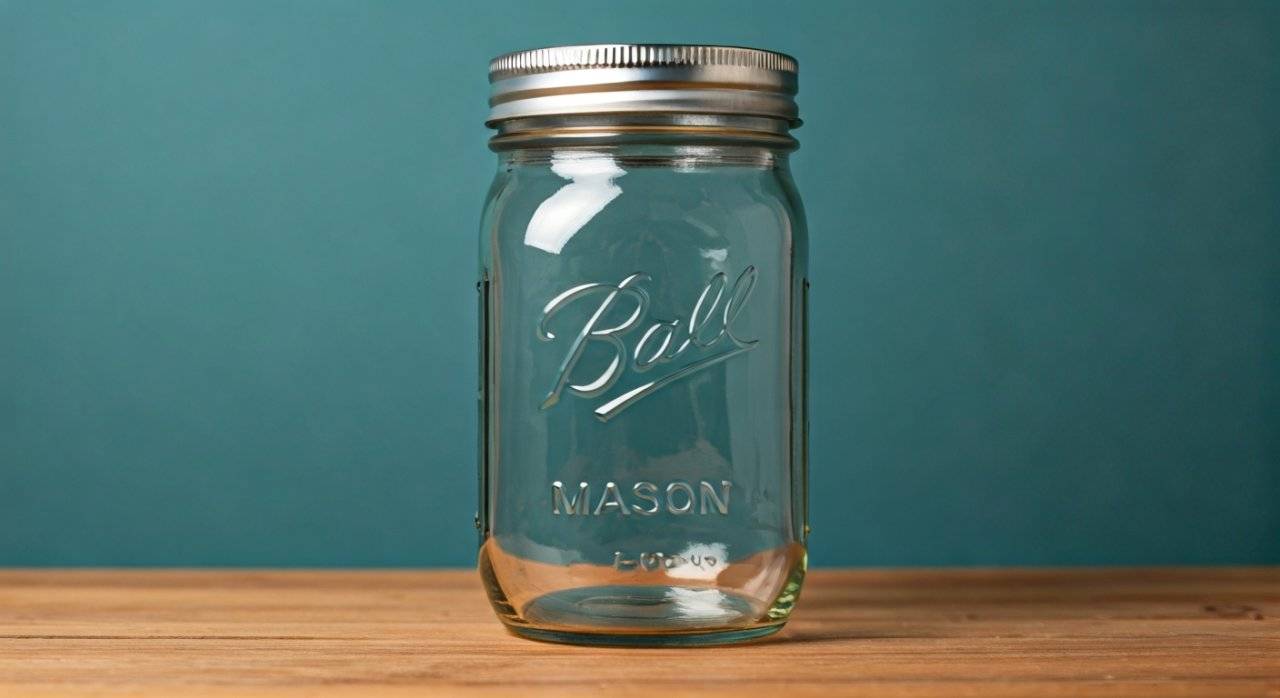
- Mason Jars: Two 32oz Wide-Mouth Ball or Kerr jars.
- Drill or Dremel: Equipped with a metal cutting bit or a hole saw.
- Soldering Iron: And 60/40 lead-free solder.
- Adhesives: High-temp hot glue or clear silicone sealant.
- Safety Gear: Gloves and eye protection (essential when cutting metal lids).
Step-by-Step Guide: How to Make Mason Jar Speakers
Step 1: Preparing the Mason Jar Lids
The lid is the most critical part of the build. You need to create a hole large enough for the speaker cone but small enough so the mounting flange can still sit on the metal.
- Remove the flat metal disc from the mason jar ring.
- Measure the mounting diameter of your speaker driver.
- Center the driver on the lid and trace the circle with a permanent marker.
- Using a Dremel with a heavy-duty cutoff wheel, carefully cut along the line.
- Expert Note: Wear eye protection! The sparks from cutting the tin lids are small but frequent.
- Sand the edges of the cut hole to prevent the sharp metal from piercing the speaker surround.
Step 2: Mounting the Driver
Once the hole is cut, it is time to secure the driver. We prefer using a “sandwich” method for a cleaner look.
- Apply a thin bead of silicone sealant around the edge of the hole on the lid.
- Press the speaker driver firmly into the lid.
- If your driver has screw holes, you can drill tiny pilot holes through the lid and use M3 bolts and nuts to secure it.
- Allow the sealant to cure for at least 2 hours. This ensures an airtight seal, which is vital for preventing “chuffing” sounds.
Step 3: Wiring the Amplifier
If you are using a PAM8403 amplifier, the wiring is straightforward. These boards are typically labeled with L+/L- (Left Speaker), R+/R- (Right Speaker), and 5V/GND (Power).
- Solder lengths of speaker wire (about 12 inches) to the terminals on your drivers.
- Feed the wire through a small hole drilled in the back or bottom of the jar (if you prefer a clean look) or out through the side of the lid.
- Connect the wires to the amplifier outputs.
- Solder your USB power cable to the power input terminals on the board.
- Troubleshooting Tip: If you hear a “humming” sound, check your ground (GND) connections. A loose ground is the #1 cause of noise in DIY speakers.
Step 4: Adding Acoustic Damping
Glass reflects sound waves inside the jar, which can lead to a “hollow” or “boomy” sound. I always recommend adding internal damping.
- Take a handful of Poly-fil or recycled cotton batting.
- Loosely place it inside the jar. Do not pack it tightly; you want it to be fluffy enough to absorb high-frequency reflections without significantly reducing the internal air volume.
- This simple addition makes a 32oz jar sound like a much larger wooden enclosure.
Step 5: Final Assembly and Testing
Now, screw the lid (with the mounted speaker) onto the jar. Ensure the rubber seal of the lid is making full contact with the glass rim.
- Plug in your power source.
- Connect your phone or computer via the 3.5mm jack or pair your Bluetooth device.
- Start with the volume low and gradually increase it.
- Listen for rattles: If the lid vibrates against the ring, add a small piece of foam tape between them.
Advanced Customization: Taking Your Build Further
Once you have mastered the basic process of how to make mason jar speakers, you can experiment with aesthetic and functional upgrades.
Bluetooth Integration
Using a module like the MH-M18 or Bluetooth 5.0 receiver allows you to ditch the wires. We suggest housing the battery and Bluetooth module in one jar (the “Master”) and running a single wire to the second jar (the “Slave”).
LED Visualizers
Since the jars are transparent, you can add addressable RGB LEDs (WS2812B) inside. Use an Arduino Nano to program the lights to dance to the rhythm of the music. The Poly-fil you added for acoustics will also act as a beautiful light diffuser.
Ported vs. Sealed Designs
- Sealed: Provides tighter, more accurate bass. Best for most mason jar speakers.
- Ported: Adding a small PVC pipe (port) to the lid can increase bass output but is difficult to tune correctly for such a small volume of air.
Expert Tips for the Best Audio Quality
We have built dozens of these units, and these three “pro secrets” will separate your build from amateur projects:
- Avoid Thin Glass: Use Ball or Kerr brand jars. Cheap “craft store” jars often have thinner glass that can shatter under the vibration of high-volume bass or during the drilling process.
- Use a Step Drill Bit: When making holes for the Aux jack or Volume knob, a step drill bit is much safer than a standard twist bit. It prevents the metal lid from catching and spinning.
- Crossover Selection: If you want to get fancy, add a simple capacitor (100uF) in series with the positive terminal to act as a high-pass filter. This protects small 2-inch drivers from trying to play deep bass notes they can’t handle, preventing distortion.
Frequently Asked Questions
Can I use any size mason jar for speakers?
While you can use smaller 16oz jars, the 32oz wide-mouth jar is the “gold standard.” The larger volume allows the speaker driver to move more freely, resulting in better mid-bass response.
Do mason jar speakers get loud?
Yes! When paired with a Class D amplifier like the PAM8403, they can easily fill a small room or office. They aren’t intended for outdoor parties, but they are significantly louder than most built-in laptop speakers.
Is glass safe for a speaker enclosure?
Glass is safe as long as you do not drop it. The vibrations from the speaker are not strong enough to shatter the glass. However, we recommend adding rubber feet to the bottom of the jar to prevent it from “walking” across the table during heavy bass tracks.
How do I power my DIY speakers?
Most DIYers use 5V USB power because it is convenient. You can plug them into a wall adapter, a laptop, or even a portable power bank for a completely mobile setup.
What is the best driver brand for this project?
For high-quality results, look at Dayton Audio, Visaton, or Peerless. If you are on a budget, generic 3-watt full-range drivers from Amazon or AliExpress will work, but the sound quality will be noticeably flatter.









