The Blueprint for Securing High-Demand Speakers
To learn how to secure high-demand speakers for major events, you must prioritize a 12-month lead time, craft a value-driven pitch, and leverage speaker bureaus or direct industry connections. Success depends on aligning your event’s mission with the speaker’s personal brand while offering a competitive honorarium and seamless logistics.
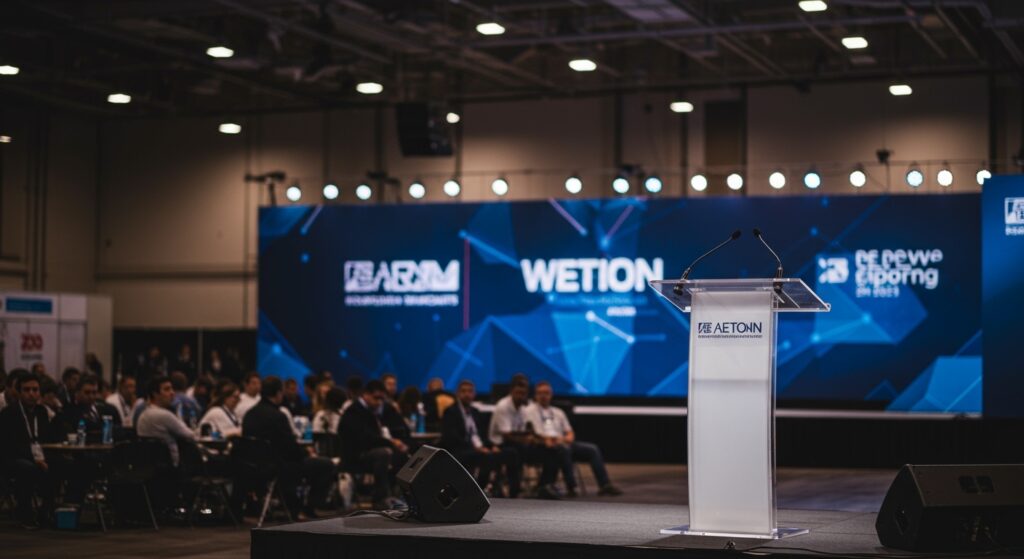
Securing a “big name” for your keynote is the fastest way to drive registrations and build brand authority. However, top-tier thought leaders often receive dozens of requests weekly, most of which are ignored. In my experience managing global tech conferences, the difference between a “yes” and a “no” isn’t just the budget—it’s the professional approach and the technical readiness of the organizer.
TL;DR: Key Takeaways for Speaker Success
- Lead Time: Start your outreach 9 to 12 months before the event date.
- Budgeting: High-demand speakers typically range from $20,000 to $100,000+.
- The Pitch: Focus on the audience demographics and the “why now” factor.
- Logistics: A detailed technical rider and travel coordination are non-negotiable.
- Contracting: Ensure you have clear terms regarding recording rights and social media promotion.
Defining Your Strategy: How to Secure High-Demand Speakers for Major Events
Before you send a single email, you must define the “archetype” of the speaker you need. Are you looking for a celebrity draw, a subject matter expert, or a motivational powerhouse? Each requires a different outreach strategy and budget allocation.
I have found that high-demand speakers care most about audience alignment. They want to know that their message will resonate and that the session will be well-produced. If your event looks “amateur,” a high-profile speaker will decline to protect their own brand.
Understanding Speaker Fee Tiers
| Speaker Category | Typical Fee Range (USD) | Best For |
|---|---|---|
| Industry Experts | $5,000 – $15,000 | Deep-dive technical tracks and breakout sessions. |
| Best-Selling Authors | $20,000 – $50,000 | Keynote sessions and brand credibility. |
| C-Suite Executives | $40,000 – $75,000 | Strategic vision and corporate authority. |
| Celebrities/Public Figures | $100,000+ | Maximum “buzz” and high ticket sales. |
Step 1: Identification and Vetting
To begin the process of how to secure high-demand speakers for major events, you need a shortlist of at least 5-10 candidates. Don’t put all your eggs in one basket.
- Analyze Competitor Events: Look at who spoke at TED, SXSW, or Web Summit in the last two years. These speakers are vetted and “event-ready.”
- Check Social Proof: Look for recent YouTube clips of their live presentations. A great writer is not always a great performer.
- Evaluate Relevance: Does their current “tour” or book launch align with your event dates? Speakers are more likely to say yes if they are already in a promotion cycle.
Step 2: The Art of the High-Stakes Pitch
When you contact a high-demand speaker, you are likely dealing with their agent or chief of staff. Your email must be concise, professional, and data-rich. Avoid “fluff” and get straight to the logistics.
Essential Elements of a Pro Pitch
- The “Why You”: Mention a specific recent talk or book chapter that fits your theme.
- Audience Data: Be specific. Instead of saying “a large crowd,” say “1,500 Mid-Level Marketing Managers from Fortune 500 companies.”
- Logistics at a Glance: State the Date, Location (City/Venue), and Expected Duration of the talk.
- The “Hook”: Offer something unique, such as a private dinner with VIP sponsors or a featured spot in a post-event documentary.
Expert Tip: In my years of booking, I’ve found that offering business-class airfare and luxury ground transportation upfront significantly increases the response rate from high-profile talent.
Step 3: Navigating Speaker Bureaus vs. Direct Outreach
One of the biggest hurdles in how to secure high-demand speakers for major events is knowing who to talk to. You have two primary paths:
Option A: Working with a Speaker Bureau
Bureaus like WME, CAA, or BigSpeak act as intermediaries.
- Pros: They handle the contracts, they have direct lines to the talent, and they can suggest alternatives if your first choice is busy.
- Cons: You may pay a premium, and communication can sometimes feel “filtered.”
Option B: Direct Outreach
This involves finding the speaker’s personal website or LinkedIn.
- Pros: Better for building a long-term relationship and potentially lower fees (no bureau commission).
- Cons: Higher risk of being ignored if you don’t have a mutual connection.
Step 4: Negotiating the Contract and Rider
Securing the speaker is only half the battle; you must now nail down the details. A Speaker Contract is a legal safeguard for both parties.
Critical Clauses to Include:
- Recording Rights: Can you post the video on YouTube? Can you sell access to it later? Clarify this early, as some speakers charge extra for archival rights.
- Cancellation Policy: What happens if the speaker gets sick? Or if the event is canceled? Ensure there is a Force Majeure clause.
- The Technical Rider: This document lists the speaker’s requirements: Lavalier microphone, Mac vs. PC for slides, Green Room snacks, and Stage Water.
Data Point: According to industry surveys, 35% of speaker frustrations stem from poor AV setups. If you want to be a professional, invest in a high-quality AV production team.
Step 5: Onboarding and Pre-Event Coordination
Once the contract is signed, the real work begins. You need to make the speaker feel like a partner, not just a “hired hand.”
- The Discovery Call: Schedule a 30-minute call between the speaker and your Content Chair. Discuss the specific pain points of your audience.
- Marketing Assets: Request high-resolution headshots and a short-form bio immediately for your website.
- Promotion Schedule: Ask the speaker if they are willing to post one LinkedIn update and one Tweet about the event. Most will agree if you provide the copy and graphics.
Step 6: On-Site Management and “The Green Room” Experience
The day of the event is when your preparation pays off. To ensure a high-demand speaker returns for future events, you must provide a “White Glove” experience.
- Dedicated Handler: Assign one person whose sole job is to meet the speaker at the door, escort them to the Green Room, and ensure they are on stage at the exact minute.
- Tech Check: Always bake in a 15-minute soundcheck before the doors open. High-demand speakers hate surprises.
- Post-Talk Logistics: Have a plan for Q&A (roving mics) and a clear path for the speaker to exit the stage without being mobbed by the crowd.
FAQ: Common Questions on Booking High-Profile Talent
How far in advance should I book a keynote speaker?
For major events, you should ideally book 9 to 12 months in advance. High-demand speakers often have their calendars filled a year out, especially during “peak” event seasons like Spring and Fall.
Do I have to pay for the speaker’s travel and lodging?
Yes. It is standard industry practice to cover Business Class airfare, luxury hotel accommodations, and all ground transportation. These costs are usually billed separately from the speaking fee.
What if my budget is low but I want a high-demand speaker?
If you lack the budget, focus on Information Gain. Offer the speaker something they value: access to a specific group of high-level investors, a platform to launch a new book, or high-quality video assets they can use for their own marketing.
Can I record the session and use it for marketing?
Not unless it is explicitly stated in the contract. Many speakers charge a licensing fee for recorded content. Always negotiate these “usage rights” upfront to avoid legal issues later.