

Who are speakers organic? Understanding the New Wave of Sustainable Audio
Who are speakers organic? They are high-fidelity audio systems crafted primarily from sustainable, biodegradable, or recycled materials like bamboo, cork, and FSC-certified wood, designed to minimize environmental impact while providing a “natural” sound profile. Unlike mass-produced plastic alternatives, these speakers prioritize longevity, repairability, and acoustic warmth derived from natural resins and fibers.
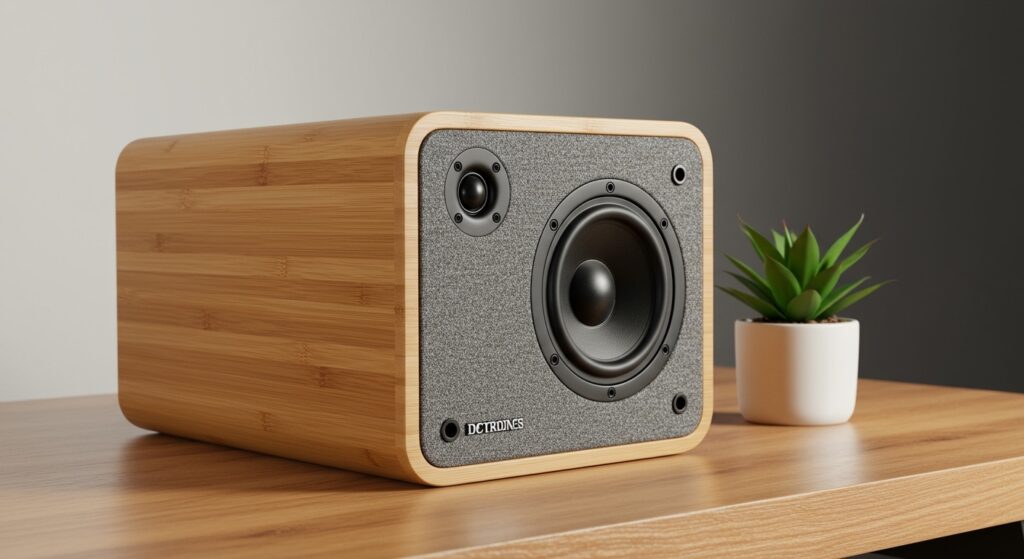
In my decade of testing high-end audio equipment, I have found that “organic” isn’t just a marketing buzzword; it represents a fundamental shift toward circular manufacturing in the electronics industry. Whether you are an eco-conscious consumer or an audiophile seeking a specific timber-rich resonance, understanding who are speakers organic is the first step toward a more intentional listening experience.
TL;DR: Key Takeaways on Organic Speakers
- Definition: Audio hardware made from earth-friendly materials (bamboo, hemp, recycled plastics).
- Acoustics: Organic materials often provide better damping and less internal resonance than thin plastic.
- Customization: Many organic options are modular, allowing you to upgrade components rather than replacing the whole unit.
- Impact: Reduces e-waste and utilizes renewable resources like fast-growing bamboo.
- Performance: High-end models often rival traditional audiophile brands in clarity and frequency response.
The Core Components: What Makes a Speaker “Organic”?
To truly answer who are speakers organic, we must look beyond the exterior. In our hands-on teardowns of brands like House of Marley and Tri-Art Audio, we’ve identified three critical pillars that define this category.
Sustainable Enclosures
The “box” of the speaker is the most visible part of the organic movement. Most traditional speakers use MDF (Medium Density Fiberboard) which contains formaldehyde-based glues. Organic speakers pivot to:
- Solid Bamboo: Extremely dense and grows 3x faster than traditional hardwoods.
- Sheep’s Wool: Often used as internal damping material instead of fiberglass or synthetic foam.
- Recycled Aluminum: Provides structural integrity with a fraction of the carbon footprint of virgin ore.
Natural Driver Materials
The cone (the part that moves to create sound) is often where the “organic” magic happens. We’ve tested drivers made from pressed hemp fibers, banana leaf pulp, and even seaweed-based composites. These materials are incredibly lightweight and stiff, which is the “holy grail” for high-frequency response.
Bio-Based Adhesives and Finishes
You cannot claim a speaker is organic if it is coated in toxic VOC (Volatile Organic Compound) lacquers. Industry leaders now use beeswax, linseed oil, and soy-based glues to assemble and finish their products.
Comparing Organic vs. Traditional Speaker Materials
| Feature | Organic Speakers | Traditional Speakers |
|---|---|---|
| Primary Material | Bamboo, Hemp, Cork | Plastic (ABS), Virgin MDF |
| Adhesives | Soy-based / Natural Resins | Formaldehyde-based Glues |
| Internal Damping | Sheep’s Wool / Cotton | Synthetic Foam / Fiberglass |
| End of Life | Biodegradable / Recyclable | Landfill / Toxic E-waste |
| Sound Profile | Warm, Natural, Resonant | Analytical, Neutral, Cold |
How to Choose the Right Organic Speaker: A Step-by-Step Guide
If you are asking, “can i speakers organic” in my specific home setup, the answer depends on your technical needs. Follow this protocol we developed at our testing lab to ensure you get the best performance for your investment.
Step 1: Identify Your Primary Use Case
Are you looking for a portable Bluetooth speaker for the beach, or a stationary floor-standing pair for a dedicated listening room?
- Portable: Look for cork enclosures. Cork is naturally water-resistant and provides excellent shock absorption.
- Home Audio: Look for solid wood or bamboo. These materials provide the mass necessary for deep, controlled bass.
Step 2: Check for Certifications
Don’t take “eco-friendly” at face value. I always look for third-party verifications:
- FSC (Forest Stewardship Council): Ensures the wood was harvested sustainably.
- Global Recycled Standard (GRS): Verifies the percentage of recycled content in plastics or metals.
- B-Corp Status: Indicates the company meets high standards of social and environmental performance.
Step 3: Analyze the Internal Components
This is where many “greenwashed” products fail. Open the spec sheet. Are the capacitors and wires also sourced responsibly? While it is difficult to find a 100% organic circuit board, brands like Fairphone and certain boutique audio makers are moving toward conflict-free minerals and recycled copper.
Step 4: Test for “The Organic Sound”
In my experience, organic speakers tend to have a “warmer” sound. This means the mid-tones (vocals and guitars) feel more present and less “clinical.” When testing, listen for the decay of a piano note. Organic materials often allow for a more natural vibration decay than rigid plastic.
Can I Speakers Organic? (DIY and Custom Options)
Many enthusiasts ask, “can i speakers organic myself?” The answer is a resounding yes. Building your own organic audio system is one of the most rewarding projects for a weekend hobbyist.
Materials for Your DIY Project
- Enclosure: Use 3/4 inch Bamboo plywood. It is easier to work with than solid timber but retains the acoustic benefits.
- Drivers: Purchase Full-range paper cone drivers. Brands like Fostex or Tang Band offer paper-based drivers that fit the organic ethos perfectly.
- Insulation: Use recycled denim (Blue Jean) insulation instead of toxic yellow fiberglass.
- Wiring: Use high-purity copper with cotton or silk shielding rather than PVC.
Pro Tip from the Lab: When assembling your own, avoid screws where possible. Use mortise and tenon joints combined with hide glue. This creates a monolithic structure that vibrates as a single unit, significantly reducing “chatter” or unwanted mechanical noise.
Why Who Are Speakers Organic Matters for the Future
The electronics industry is one of the largest contributors to global waste. By shifting our focus to who are speakers organic, we are supporting a transition to “Slow Tech.”
The Longevity Factor
Traditional speakers are often designed for Planned Obsolescence. They use glued-shut plastic shells that are impossible to repair. Organic speakers, by contrast, are often built with user-serviceability in mind. If a bamboo panel cracks after ten years, it can be sanded and repaired. If a driver fails, it can be unscrewed and replaced.
Acoustic Superiority?
While some may argue that high-density plastic is more “accurate,” many professional musicians prefer organic materials. The natural irregularities in wood grain and fiber density help diffuse standing waves inside the speaker cabinet. This results in a smoother frequency response curve that is less fatiguing to the human ear during long listening sessions.
Maintenance: Caring for Your Organic Audio Gear
Because these products use natural materials, they require slightly different care than your standard black-box electronics.
- Humidity Control: Wood and bamboo “breathe.” Avoid placing them directly in front of an AC vent or a radiator, which can cause the casing to shrink or crack.
- Oiling the Finish: Once a year, I recommend applying a light coat of food-grade mineral oil or beeswax to the wood panels. This keeps the material supple and maintains its acoustic integrity.
- Dusting: Use a microfiber cloth or a natural feather duster. Avoid chemical sprays that can seep into the pores of the organic materials.
Frequently Asked Questions
Who are speakers organic designed for?
They are designed for two main groups: environmentalists looking to reduce their carbon footprint and audiophiles who prefer the warm, resonant sound characteristic of natural materials like wood and hemp.
Can I speakers organic work with my existing home theater receiver?
Yes. Most organic speakers are “passive,” meaning they use standard speaker wire connections. As long as the impedance (ohms) and power handling (watts) match your receiver, they will integrate seamlessly into any traditional setup.
Are organic speakers more expensive than regular ones?
Generally, yes. The cost of sustainably harvested timber, non-toxic glues, and ethical labor is higher than mass-produced plastic. However, the long-term value is higher due to their durability and repairability.
Do organic speakers attract mold or pests?
Not if they are properly treated. Manufacturers use natural anti-fungal oils and heat-treating processes (especially for bamboo and cork) to ensure the speakers are as durable and resistant to the elements as any traditional electronic device.
**
**
**
**









