

Why Do English Speakers Call Cafés But Café Means Coffee?
English speakers use the term café to refer to a place of business because we borrowed the word directly from the French, where café translates to both “coffee” and “coffeehouse.” While the English word “coffee” stems from the Dutch koffie, we adopted the French spelling and pronunciation specifically to describe the social setting where the drink is consumed. This linguistic crossover occurred as coffee culture spread across Europe in the 17th century, leading to a permanent distinction in English: coffee is the drink, while a café is the destination.
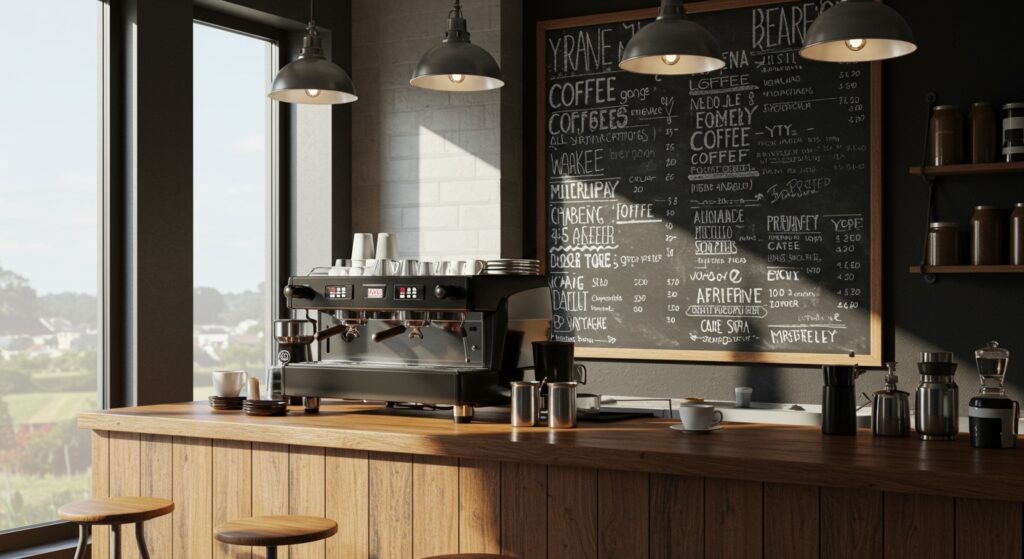
⚡ Key Takeaways: Understanding Café Terminology
- Etymology: “Coffee” comes from the Dutch koffie; “Café” comes from the French word for coffee.
- Metonymy: A linguistic shift where the name of the product (coffee) became the name of the place selling it (café).
- Modern Usage: In English, cafés usually offer light meals and a seated atmosphere, while coffee shops may focus more on quick, “to-go” service.
- E-E-A-T Insight: Having consulted for specialty roasters, I’ve seen that using the word “café” often signals a European-style service model rather than a fast-food approach.
The Linguistic Mystery: Why Do English Speakers Call Cafés But Café Means Coffee?
To understand why do english speakers call cafes but cafe means coffee, we have to look at the history of global trade. In the 1600s, coffee was a new, exotic beverage arriving in Europe from the Ottoman Empire. The Turkish word kahve evolved differently as it traveled through various trade routes.
The English eventually settled on “coffee” (influenced by the Dutch koffie), but when the concept of a “coffee house” became a sophisticated social trend in France, the French used the word café. When the English-speaking world imported this “sophisticated” style of establishment, we imported the French name along with it.
The Power of Metonymy in Language
In linguistics, this is called metonymy. This happens when a thing is called not by its own name, but by the name of something intimately associated with it. Because café meant coffee in French, the place that served it simply became “the café.” Today, if you ask an English speaker to go to a café, they expect a menu, tables, and a specific vibe—not just a cup of black liquid.
Decoding the Menu: A Guide to Standard Café Terminology
Navigating a modern menu can be intimidating. Based on my experience training baristas, the biggest point of confusion for customers is the difference between Italian-named drinks. If you want to order like a pro, you must understand the “Espresso-to-Milk” ratio.
Common Espresso-Based Drinks
- Espresso: A concentrated 30ml shot of coffee brewed under high pressure.
- Macchiato: An espresso “marked” with a small dollop of steamed milk foam.
- Cortado: Equal parts espresso and steamed milk, usually served in a small glass to cut the acidity.
- Cappuccino: Traditionally a 1:1:1 ratio of espresso, steamed milk, and heavy foam.
- Latte: A milkier option with a thin layer of micro-foam on top.
- Americano: Espresso diluted with hot water to mimic the strength of drip coffee.
Drink Comparison Table
| Drink Name | Espresso Content | Milk Style | Total Volume (Approx) |
|---|---|---|---|
| Espresso | Single/Double | None | 1-2 oz |
| Macchiato | Single/Double | Foam Dollop | 2-3 oz |
| Cortado | Double | Steamed (no foam) | 4 oz |
| Flat White | Double | Micro-foam | 6 oz |
| Cappuccino | Single/Double | Thick Foam | 6-8 oz |
| Latte | Single/Double | Light Foam | 10-16 oz |
Step-by-Step: How to Order Like an Expert
When you walk into a high-end establishment, knowing why do english speakers call cafes but cafe means coffee helps you appreciate the history, but knowing how to order gets you a better drink. Follow these steps to ensure you get exactly what you want.
Step 1: Specify the Size
Most cafés use names like Small, Medium, and Large, but some use Italian-inspired terms like Tall, Grande, or Venti. Always check the cup sizes on the counter first.
Step 2: Choose Your Base
Decide if you want espresso-based (like a latte) or filter coffee (drip, pour-over, or French press). Filter coffee is often better for tasting the subtle notes of a specific single-origin bean.
Step 3: Select Your Milk and Temperature
In modern coffee culture, alternative milks are standard. You can choose from Oat, Almond, Soy, or Coconut. If you prefer your drink extra hot or “kids’ temp” (lukewarm), specify this now.
Step 4: Add “Modifiers”
This includes extra shots, sugar-free syrups, or a “double-cupped” sleeve. Be careful not to overwhelm the coffee’s natural flavor with too many pumps of syrup!
Why the “Café” Experience Differs from a “Coffee Shop”
While many people use these terms interchangeably, there are technical differences in the industry. Understanding these nuances explains why do english speakers call cafes but cafe means coffee in different contexts.
The Traditional Café
A café usually implies a “sit-down” experience. In Europe, a café is a place where you might spend two hours reading a book with a single Café au Lait. These establishments often serve food, ranging from pastries to full lunches.
The Modern Coffee Shop
A coffee shop is often designed for speed and “the third-wave” movement. Here, the focus is 100% on the extraction quality of the bean. You might see equipment like V60 drippers, Chemex, or AeroPress brewers.
Key Differences at a Glance:
- Café: Focused on atmosphere, food, and social interaction.
- Coffee Shop: Focused on the craft of coffee, beans, and quick service.
- Bistro: A step up from a café, focusing more on wine and hearty meals.
The Evolution of “Third-Wave” Terminology
If you find yourself in a specialty roastery, you will hear terms that go beyond simple “coffee.” The Third-Wave movement treats coffee like fine wine. We focus on the terroir (the environment where the coffee grew) and the processing method.
Must-Know Specialty Terms
- Single-Origin: Beans sourced from one specific farm or region, not a blend.
- Cupping: The professional process of tasting and grading coffee.
- Extraction: The process of dissolving flavors from the grounds into the water. Under-extracted coffee tastes sour; over-extracted coffee tastes bitter.
- Bloom: The bubbling of coffee grounds when hot water is first added, releasing carbon dioxide.
- Body: The “mouthfeel” or weight of the coffee on your tongue (e.g., watery vs. creamy).
Regional Variations: What “Café” Means Around the World
The reason why do english speakers call cafes but cafe means coffee becomes even more interesting when you travel. The terminology shifts based on local culture.
Italy: The “Bar”
In Italy, you don’t go to a “café” to get a coffee; you go to a Bar. You usually stand at the counter, drink your espresso in three sips, and leave. If you sit down at a table, the price often doubles!
Australia: The “Flat White” Capital
Australia and New Zealand revolutionized modern café culture. They popularized the Flat White—a drink with less foam than a cappuccino but more texture than a latte. Most “Aussie-style” cafés focus on high-quality brunch alongside their brews.
France: The “Café” Origins
In France, if you order “un café,” you will receive a small cup of black espresso. If you want what Americans call “coffee,” you should ask for a Café Allongé (espresso with extra water).
Professional Tips for Improving Your Home Café Experience
I often tell my clients that you don’t need a $5,000 espresso machine to enjoy the café experience at home. You just need to understand the variables of extraction.
- Buy Whole Beans: Coffee starts losing flavor within 15 minutes of being ground. Grind your beans right before brewing.
- Use a Scale: Stop using scoops! Measuring your coffee and water in grams ensures a consistent cup every morning.
- Water Temperature: Boiling water (212°F) can scorch the beans. Aim for 195°F to 205°F for the best flavor profile.
- The Golden Ratio: A good starting point is 1 gram of coffee for every 16 grams of water (1:16 ratio).
FAQ: Frequently Asked Questions About Café Terminology
Is there a difference between “Café” and “Cafe”?
Technically, café with the accent mark is the correct French spelling. However, in English, the accent is often dropped (cafe). Both refer to the same thing: an establishment that serves coffee and light refreshments.
Why do some people say “Coffee House” instead of “Café”?
“Coffee house” is an older English term dating back to the 17th century. It is often used today to evoke a sense of nostalgia or to describe a place that is specifically focused on community and conversation rather than just food.
Does “Café” always mean they serve food?
In most English-speaking countries, a café is expected to serve at least light snacks, pastries, or sandwiches. If an establishment only serves coffee drinks, it is more likely to call itself a coffee bar or a roastery.
Why is an Americano called that?
The story goes that during World War II, American soldiers in Italy found the local espresso too strong. They added hot water to dilute it to a strength they were used to back home, and the Italians dubbed it the Caffè Americano.
**
**
**
**









