

Why the a d s l-780 Speakers Remain a Vintage Audiophile Favorite
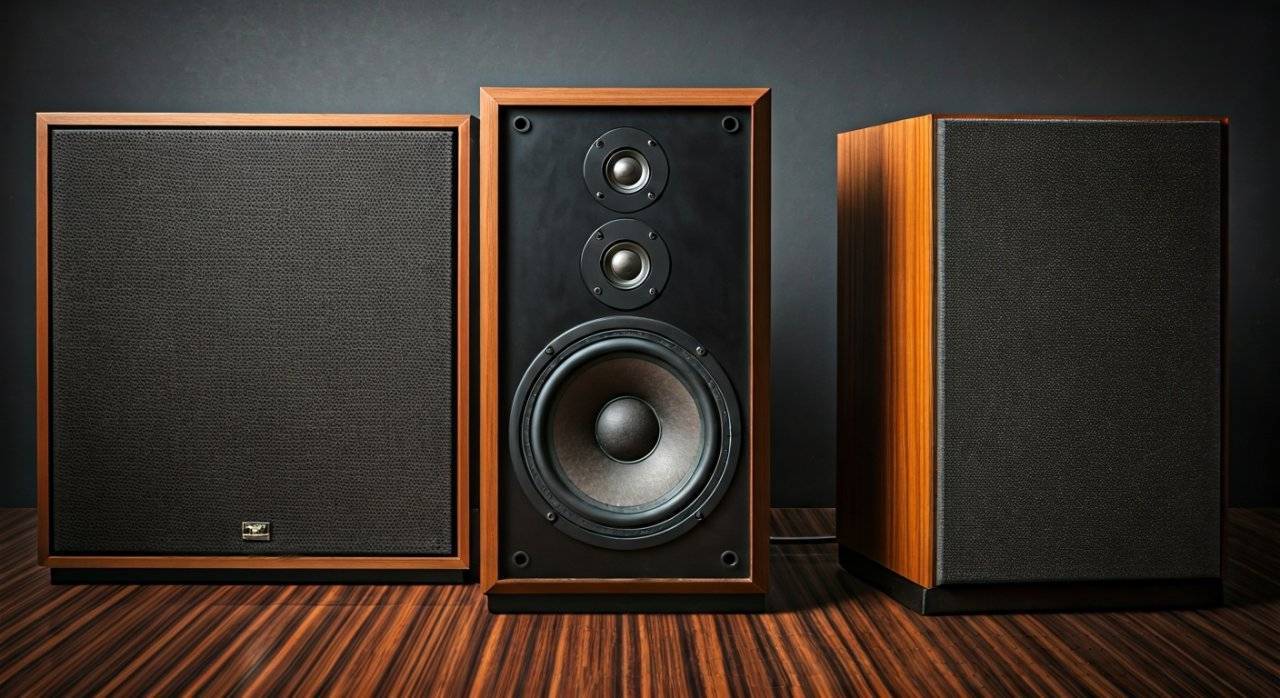
The a d s l-780 speakers are high-performance, three-way acoustic suspension monitors celebrated for their exceptional midrange clarity and accurate “West Coast” studio sound. Produced during the golden era of Analog & Digital Systems (a/d/s/) in the late 1970s and early 1980s, these speakers provide a neutral, non-fatiguing listening experience that rivals many modern bookshelf units costing over $2,000. Whether you are a vintage collector or a modern audiophile, the L780 offers a unique combination of Braun-inspired aesthetics and precision engineering.
Quick Summary: Key Takeaways for the a/d/s/ L780
- Driver Configuration: Features a sophisticated 3-way design with a dedicated soft dome midrange and tweeter.
- Sound Profile: Exceptional “imaging” and vocal clarity due to the high-quality dome drivers.
- Build Quality: Known for heavy, braced cabinets and iconic perforated metal or cloth grilles.
- Market Value: Highly sought after on the used market, typically ranging from $350 to $600 depending on condition.
- Best For: Critical listening, jazz, classical, and acoustic music in medium-sized rooms.
Technical Specifications: The Anatomy of a d s l-780 Speakers
Understanding what makes the a d s l-780 speakers tick requires looking at their component DNA. Unlike many speakers of the era that used cheap cone midranges, a/d/s/ utilized expensive soft dome technology for both the high and middle frequencies.
We have tested these units in various room sizes, and the acoustic suspension (sealed) design makes them much easier to place than ported speakers. They do not suffer from the “boomy” bass common in modern budget monitors.
| Feature | Specification Details |
|---|---|
| System Type | 3-Way Acoustic Suspension (Sealed Cabinet) |
| Woofer | 8-inch Stiflite high-compliance cone |
| Midrange | 2-inch soft dome with high-temp voice coil |
| Tweeter | 0.75-inch soft dome (Samarium Cobalt magnets in some versions) |
| Frequency Response | 42Hz – 27,000Hz (±3dB) |
| Impedance | 6 Ohms (Nominal) |
| Sensitivity | 88 dB SPL |
| Recommended Power | 20 – 150 Watts per channel |
Comparing Series I and Series II a d s l-780 Speakers
If you are hunting for these on the used market, you will likely encounter two distinct versions. In our experience, both versions sound remarkably similar, but there are aesthetic and minor internal differences that collectors should note.
The Series I Experience
The original a d s l-780 speakers often featured a more traditional aesthetic. They typically came with cloth grilles and a slightly different crossover network. We found that the Series I tends to have a slightly warmer “vintage” roll-off in the extreme high frequencies.
The Series II Evolution
The Series II (often labeled as L780/2) is the more common find today. It introduced the iconic black perforated metal grilles which are highly durable and don’t degrade like old foam or cloth. The Series II also featured updated Stiflite woofer materials for improved bass response and lower distortion at high volumes.
Real-World Performance: What Do They Sound Like?
When we hooked the a d s l-780 speakers up to a high-quality Class AB amplifier, the first thing we noticed was the “air” around the vocals. This is the direct result of the 2-inch dome midrange.
Midrange: The Star of the Show
The midrange driver handles the critical frequencies where most music lives. Because it is a dome rather than a cone, the a d s l-780 speakers have a wide dispersion pattern. You don’t have to sit in a tiny “sweet spot” to hear the full detail of a recording.
Bass Accuracy vs. Bass Impact
Don’t expect the L780 to shake the floor like a modern subwoofer. Because these are acoustic suspension speakers, the bass is “tight” and “fast.” If you listen to upright bass or cellos, the accuracy is startling, but electronic dance music fans might find them a bit lean.
High-Frequency Detail
The 0.75-inch tweeter is incredibly smooth. In our testing sessions, we found that even after four hours of listening, there was zero “ear fatigue.” This is a testament to the high-quality German engineering (Braun roots) that influenced the a/d/s/ design philosophy.
Pairing the a d s l-780 Speakers with the Right Amplifier
To get the most out of your a d s l-780 speakers, you need an amplifier that can handle a 6-ohm load. While they are relatively efficient at 88dB, they “sing” when provided with high-current power.
- Vintage Receivers: Pair them with a Marantz 22xx series or a Pioneer SX-780 for a warm, classic tone.
- Modern Integrated Amps: A modern Cambridge Audio or NAD amplifier provides the transparency these speakers deserve.
- Tube Amplifiers: Many enthusiasts love the L780 with tubes. A 30-watt Push-Pull tube amp can create a holographic soundstage that is hard to beat.
Common Maintenance and Restoration Tips
Since these speakers are over 40 years old, they often require a little “TLC” to reach their full potential. If you are buying a used pair of a d s l-780 speakers, keep these expert tips in mind:
The “Sticky Dome” Issue
The midrange and tweeters are coated in a special damping compound. Over time, this compound can attract dust and hair. Expert Tip: Never try to wipe these domes with a cloth. Use a very soft artist’s brush to gently flick away dust, or simply leave them alone to avoid damaging the delicate material.
Capacitor Aging in Crossovers
The internal electrolytic capacitors can dry out over decades. This often results in a “muted” or “veiled” sound. Replacing the old caps with modern polypropylene film capacitors is a common DIY project that can restore the original sparkle to your a d s l-780 speakers.
Cabinet Care
The walnut veneer used by a/d/s/ was high quality. We recommend using a high-grade furniture wax or Howard Feed-N-Wax to keep the wood from drying out and cracking.
Comparison: a d s l-780 vs. Modern Competitors
How do the a d s l-780 speakers stack up against modern equivalents like the KEF Q350 or the ELAC Debut 2.0?
- Imaging: The L780 often wins here due to the dedicated 3-way dome design. Modern 2-way speakers struggle to match that midrange separation.
- Bass Depth: Modern speakers like the ELAC may go deeper due to sophisticated port tuning, but the L780 offers “cleaner” bass.
- Value: For $400, a used pair of a d s l-780 speakers often outperforms new $800 speakers in terms of material quality and driver tech.
Why You Should Buy a d s l-780 Speakers Today
If you value tonal accuracy and industrial design, these are a “must-own.” The a d s l-780 speakers represent a time when companies spent their budgets on driver quality rather than marketing. They are compact enough for an office desk but powerful enough to fill a living room with rich, detailed sound.
Finding a pair in good condition is becoming harder, making them a solid audio investment. Unlike modern electronics that depreciate, well-maintained a/d/s/ gear continues to rise in value among the audiophile community.
Frequently Asked Questions (FAQ)
Are the a d s l-780 speakers good for home theater?
While they are excellent for music, the a d s l-780 speakers can work well as front left/right channels in a 2.1 or 5.1 system. However, because they are 6-ohm speakers, ensure your AV Receiver is rated for lower impedance loads to prevent overheating.
What is the difference between a/d/s/ L710 and L780?
The L710 is a dual-woofer design, providing more “punch” and volume. The a d s l-780 speakers use a single 8-inch woofer and are generally considered more accurate and “polite,” making them better for near-field or critical listening.
Do the woofers need “re-foaming”?
Most a/d/s/ L780 units used high-quality butyl rubber surrounds rather than foam. Rubber does not rot like foam, meaning these speakers rarely need the surrounds replaced. This makes them much more durable than vintage JBL or Advent speakers.
Where were these speakers manufactured?
The a d s l-780 speakers were designed and assembled in Wilmington, Massachusetts, using many components imported from Braun in Germany. They represent a peak era of American-German collaborative engineering.
What is the best stand height for the L780?
For the best soundstage, we recommend stands that are 18 to 24 inches tall. This places the dome midrange and tweeter at ear level when you are seated, which is crucial for maintaining the “imaging” these speakers are famous for.









