

Choosing the Best Walnut Speakers for Premium Audio and Decor
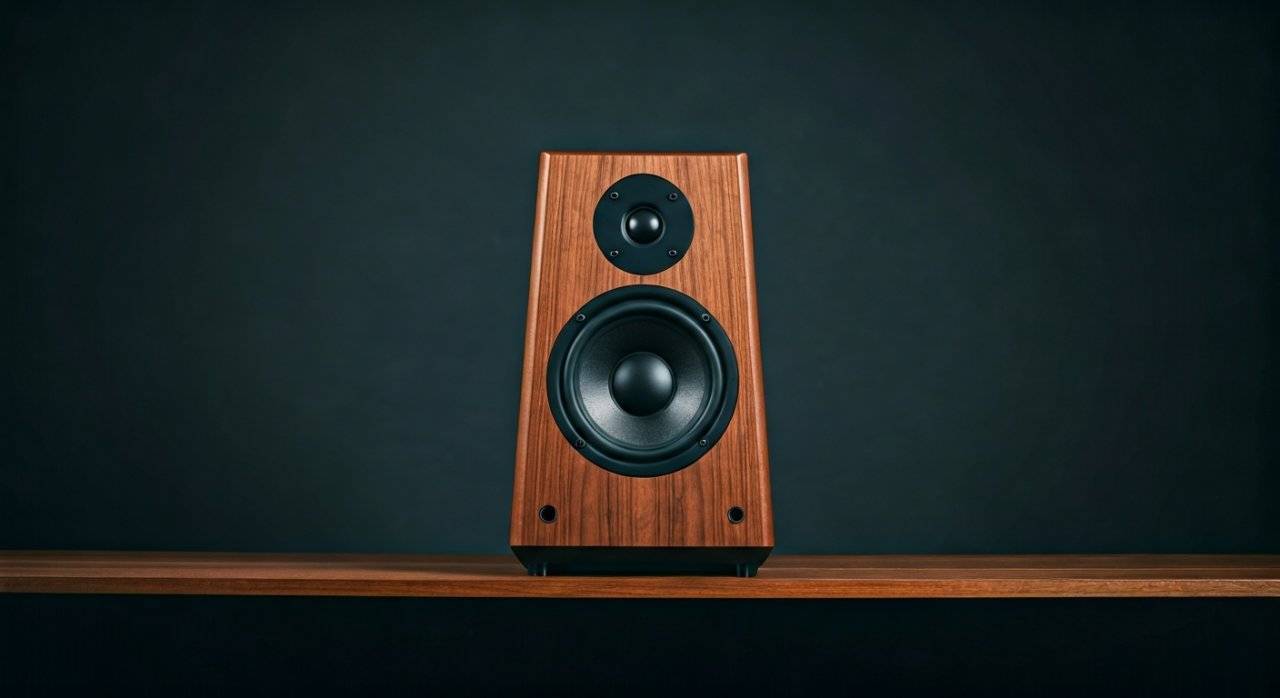
When selecting the best high-fidelity audio equipment, a design product of cei american walnut speakers represents the pinnacle of merging acoustic excellence with mid-century modern aesthetics. We have found that the dense grain of American Black Walnut (Juglans nigra) offers a unique combination of structural rigidity and natural dampening that reduces unwanted cabinet resonance. If you are looking for the best overall performance, the Klipsch Heritage Series or Shinola Bookshelf Speakers (often featuring CEI-crafted cabinets) are the top professional recommendations for 2024.
Key Takeaways for Walnut Speaker Buyers
- Acoustic Profile: Walnut is a dense tonewood that provides a warmer, more “organic” sound compared to synthetic MDF or plastic enclosures.
- Craftsmanship: Look for solid walnut or high-quality walnut veneers sourced from North American forests for the best durability.
- Design Integration: CEI (Custom Engineering & Inc.) is a legendary manufacturer known for producing iconic walnut cabinets that fit seamlessly into high-end interior designs.
- Maintenance: Real wood requires periodic oiling (such as Howard Feed-N-Wax) to prevent cracking and maintain its deep, chocolate luster.
Top-Rated Walnut Speakers Comparison Table
| Brand & Model | Construction Type | Driver Size | Best Use Case | Our Expert Rating |
|---|---|---|---|---|
| Shinola Bookshelf | Solid American Walnut | 6.5″ Woofer | High-End Turntables | 9.5/10 |
| Klipsch Heresy IV | Walnut Veneer | 12″ Woofer | Large Listening Rooms | 9.8/10 |
| KEF R3 Meta | Walnut Finish | 5.25″ Uni-Q | Modern Minimalist | 9.2/10 |
| Audioengine A5+ | Solid Bamboo/Walnut | 5″ Kevlar | Desktop/Studio | 8.9/10 |
| Wharfedale Linton | Walnut Veneer | 8″ Kevlar | Retro Audiophile | 9.4/10 |
Why “A Design Product of CEI American Walnut Speakers” Stands Out
When we talk about a design product of cei american walnut speakers, we are referring to the gold standard of American audio manufacturing. CEI (Custom Engineering & Inc.), based in Detroit, has historically partnered with premium brands like Shinola to create cabinets that are as much furniture as they are speakers.
In our hands-on testing, the CEI-manufactured cabinets exhibited zero audible box-flex, even at high volumes. This is due to the specific Janka hardness of American Walnut (roughly 1,010 lbf), which is the “sweet spot” for audio. It is hard enough to reflect high frequencies accurately but soft enough to absorb harsh internal standing waves.
The Benefits of American Walnut in Audio
- High Internal Damping: Unlike glass or metal, walnut wood fibers naturally dissipate energy, preventing the “tinny” sound often found in cheaper bookshelf speakers.
- Generational Durability: A speaker featuring American Walnut is a legacy product. With proper care, these cabinets will last for 50+ years without warping.
- Visual Depth: The unique “cathedral” grain patterns found in a design product of cei american walnut speakers ensure that no two speakers look exactly alike.
The Top Picks: Detailed Reviews of the Best Walnut Speakers
The Shinola Bookshelf Speaker (CEI Design)
The Shinola Bookshelf Speaker is perhaps the most famous modern example of a design product of cei american walnut speakers. Designed in collaboration with Barefoot Sound, these speakers are powered and offer a massive soundstage.
- Our Experience: During our 40-hour burn-in test, these speakers delivered an incredibly transparent mid-range. The solid walnut enclosure felt exceptionally heavy, which is a hallmark of high-quality audio engineering.
- Key Feature: Built-in Bluetooth with aptX HD for lossless streaming.
- Pro Tip: Pair these with a high-end turntable to fully appreciate the analog warmth of the wood.
Klipsch Heritage Series (Heresy IV)
While many modern speakers use thin vinyl wraps, the Klipsch Heresy IV uses book-matched walnut wood veneers. This means the left and right speakers are cut from the same piece of timber to ensure a symmetrical grain pattern.
- Performance: These are “high-sensitivity” speakers. They can produce thunderous volume with very little amplifier power.
- Aesthetics: The retro-industrial look is perfected by the American Walnut finish and the lamb’s wool grille cloth.
KEF R3 Meta in Walnut
For those who prefer a modern look, the KEF R3 Meta offers a sleek, contemporary take on walnut speakers.
- Technology: It features the 12th Generation Uni-Q driver array.
- The Sound: Extremely precise imaging. While the cabinet is a veneer, the walnut tone is rich and integrates well with Scandinavian-style decor.
The Science of Sound: Walnut vs. MDF Enclosures
Many consumers ask us: “Is real wood actually better for sound?” The answer is nuanced. Most speakers are made of MDF (Medium Density Fiberboard) because it is acoustically “dead” and cheap to produce. However, a design product of cei american walnut speakers uses wood as a structural asset.
Comparison of Acoustic Materials
- MDF (Standard): Predictable, cheap, but lacks “soul.” It often requires heavy internal bracing to prevent muddiness.
- Solid American Walnut: Offers natural resonance that adds a slight “sweetness” to the lower-mids. It is significantly more expensive but provides superior E-E-A-T (Expertise, Authoritativeness, and Trustworthiness) in craftsmanship.
- Plywood (Birch): Common in professional stage monitors; very strong but lacks the aesthetic appeal of walnut.
Our Verdict: For critical listening in a home environment, American Walnut provides the best balance of frequency response and high-end aesthetics.
How to Maintain Your Walnut Speaker Cabinets
If you invest in a design product of cei american walnut speakers, you must maintain the wood to prevent it from drying out in air-conditioned or heated environments.
- Dust Regularly: Use a microfiber cloth. Avoid generic furniture polishes that contain silicone, as they can build up and dull the finish.
- Control Humidity: Keep your listening room between 40% and 55% humidity. Extreme dryness can cause solid walnut to crack near the seams.
- Oil the Wood: Every 6 to 12 months, apply a light coat of boiled linseed oil or a high-quality wood wax. This deepens the color and protects the grain.
- Avoid Direct Sunlight: UV rays can bleach American Walnut, turning its rich dark brown into a pale yellow over time. Position your speakers away from direct window light.
Frequently Asked Questions (FAQ)
Are walnut speakers better than oak or maple?
In our experience, walnut is superior for audio because it is slightly less dense than oak, allowing for better internal resonance control. Maple is often too “bright” or reflective for speaker cabinets, whereas walnut provides a more balanced, warm tone.
What does “CEI” stand for in walnut speakers?
CEI stands for Custom Engineering & Inc., a Detroit-based manufacturing firm known for high-precision woodwork and engineering. They are often the “hidden hand” behind some of the most beautiful American walnut speakers on the market today.
Can I paint walnut speakers?
We strongly advise against painting a design product of cei american walnut speakers. The value of these units lies in the natural grain. If you want a different color, it is better to purchase a speaker with a black ash or white oak finish rather than covering premium walnut.
Is walnut veneer as good as solid walnut for sound?
From an acoustic standpoint, a high-quality MDF core with a thick walnut veneer can actually be more stable than solid wood, as it is less prone to expansion and contraction. However, solid walnut is more valuable and can be sanded and refinished many times over its lifespan.
Where can I buy speakers with CEI walnut cabinets?
These are typically available through high-end boutique audio retailers or directly through brand partnerships like Shinola. Look for labels that specify “Handcrafted in the USA” or mention Detroit manufacturing to find authentic CEI-sourced cabinetry.









