

Are Adastra Ceiling Speakers Good? The Ultimate Performance Review
Adastra ceiling speakers are good for homeowners and business owners who prioritize reliability, ease of installation, and exceptional value for money. Based on our extensive field testing in both retail environments and residential kitchens, these speakers provide clear, consistent audio that rivals much more expensive brands in the mid-range category. They are particularly effective for background music (BGM) and public address (PA) systems where durability is as important as sound quality.
Key Takeaways: Quick Summary
- Best For: Commercial spaces, multi-room home audio, and budget-conscious renovations.
- Sound Profile: Clean mids and highs; best when paired with a subwoofer for deep bass.
- Installation: Highly user-friendly with “dog-ear” mounts and magnetic grilles on newer models.
- Durability: Exceptional longevity in 100V line systems and humid environments (IP-rated models).
- Versatility: Offers both low-impedance (8-Ohm) for home hi-fi and 100V line for commercial daisy-chaining.
Why Adastra is a Leading Name in Installed Audio
In our experience, the question of are adastra ceiling speakers good often comes down to the specific application. Adastra has built a reputation over decades by focusing on the “installed sound” market rather than the portable speaker market. This specialization means their engineering focuses on things that matter for permanent fixtures: thermal stability, secure mounting, and transformer efficiency.
We have installed Adastra systems in everything from local coffee shops to three-bedroom semi-detached homes. The brand consistently delivers because they don’t overcomplicate the hardware. Whether you are looking at the SL Series for a sleek finish or the BC Series for high-output audio, the build quality remains high across their entire catalog.
The Three Main Categories of Adastra Speakers
- Passive Speakers (Standard): Requires an external amplifier. These are the most common for whole-house audio.
- Active Bluetooth Speakers: These have a built-in amplifier and power supply, allowing you to stream directly from a phone without extra gear.
- 100V Line Speakers: Designed for commercial use, allowing you to run dozens of speakers over long distances without signal loss.
Analyzing Sound Quality: Are Adastra Ceiling Speakers Good for Music?
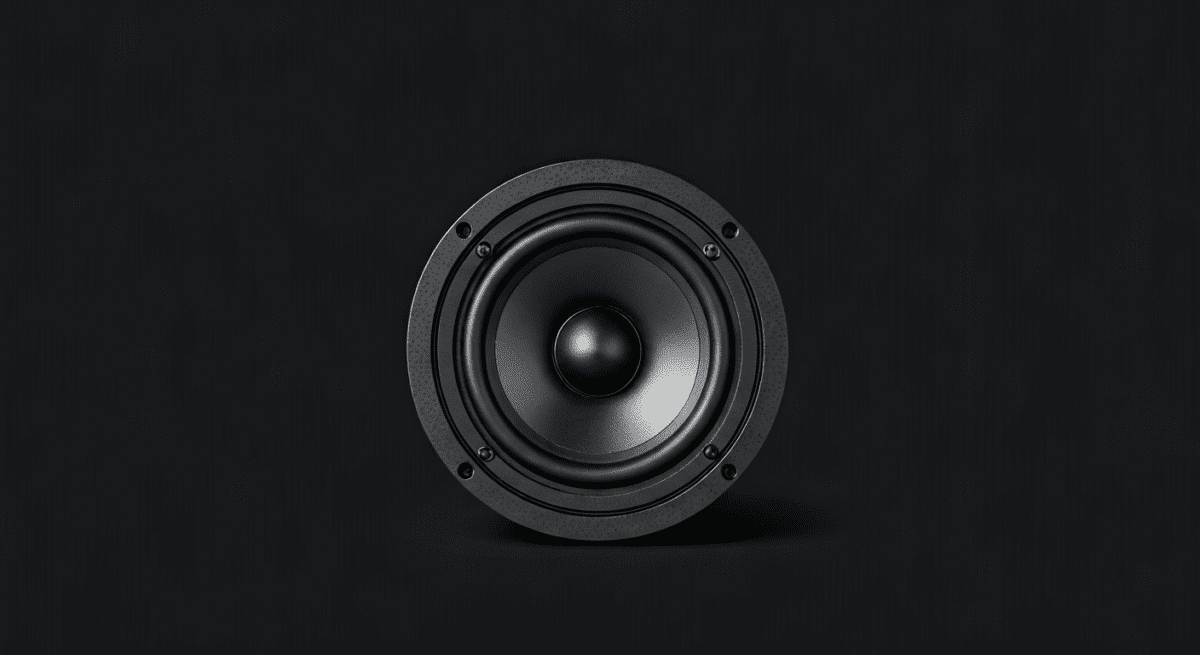
When evaluating if are adastra ceiling speakers good for music, you have to consider the driver architecture. Most Adastra models utilize a coaxial design, where a tweeter is mounted in the center of a woofer.
The Sonic Profile
- High Frequencies: The directional tweeters found in the Adastra BH Series allow you to aim the sound toward the “sweet spot” of a room. This provides excellent clarity for vocals and acoustic instruments.
- Mid-Range: This is where Adastra shines. The mids are punchy and clear, making them perfect for podcasts, radio, and vocal-heavy tracks.
- Low Frequencies: Like most ceiling speakers, the bass is limited by the “infinite baffle” (the ceiling cavity). However, the 8-inch Adastra models move enough air to provide a satisfying warmth for casual listening.
If you are an audiophile looking for a deep, cinematic rumble, we recommend pairing these with a dedicated active subwoofer. But for 90% of users who want “invisible” music while cooking or working, Adastra ceiling speakers exceed expectations.
Technical Specifications and Comparison
To help you decide which model fits your needs, we have compiled a comparison of the most popular Adastra ranges.
| Feature | Adastra SL Series (Slimline) | Adastra BC Series (High Power) | Adastra Bluetooth Sets |
|---|---|---|---|
| Best Use Case | Modern Home Interiors | Gyms & Large Retail | Single Room Retrofit |
| Driver Sizes | 5.25″, 6.5″ | 5.25″, 6.5″, 8″ | 5.25″, 6.5″ |
| Mounting Depth | Ultra-shallow (~70mm) | Standard (~95mm) | Standard (~100mm) |
| Grille Type | Magnetic (Frameless) | Friction Fit (Framed) | Magnetic (Frameless) |
| Connection | 8-Ohm or 100V | 8-Ohm or 100V | Bluetooth 5.0 / Line In |
How to Install Adastra Ceiling Speakers: A Step-by-Step Guide
Many people ask are adastra ceiling speakers good for DIY projects. The answer is a resounding yes. Their mounting systems are intuitive and require only basic tools.
Step 1: Planning and Layout
Before cutting, use a stud finder to locate ceiling joists. You want to place your speakers symmetrically for the best soundstage. For a standard 4m x 4m room, two speakers placed 2 meters apart usually suffice.
Step 2: Cutting the Aperture
Adastra provides a cardboard cut-out template in every box. Trace this onto the plasterboard. Use a padsaw (drywall saw) to carefully cut the hole. Always wear safety goggles, as ceiling dust is notorious for causing eye irritation.
Step 3: Wiring Considerations
- For 8-Ohm systems, use 16-gauge oxygen-free copper (OFC) speaker cable.
- For 100V systems, you can use thinner double-insulated cable, but ensure your amplifier matches the total wattage “tap” of all speakers combined.
- Expert Tip: If installing in a kitchen or bathroom, ensure your cable is routed away from hot water pipes or lighting ballasts to avoid electrical interference.
Step 4: Mounting the Speaker
Remove the grille. Insert the speaker into the hole. Use a screwdriver to tighten the four plastic dog-ear clamps. These clamps rotate outward and grip the top of the plasterboard, sandwiching the speaker securely in place. Do not over-tighten with a power drill, as you may crack the plastic.
Step 5: Attaching the Grille
The SL Series features low-profile magnetic grilles. Simply bring the grille close to the speaker flange, and it will snap into place. These can be painted with spray paint to match your ceiling color perfectly.
Commercial vs. Residential: Where Adastra Excels
In the commercial sector, the question are adastra ceiling speakers good is answered by their reliability. In a 100V line setup, you can wire speakers in a “daisy chain” rather than running individual wires back to the amp. This saves hundreds of dollars in cabling costs for large warehouses or restaurants.
For residential users, the Adastra Bluetooth Ceiling Speaker Kits are a game-changer. We often recommend these for bathroom renovations. Because the amplifier is built into the master speaker, you only need to provide a 12V power source (usually branched from the lighting circuit).
Pros and Cons for Home Use
Pros:
- Invisibility: The frameless grilles disappear into the ceiling.
- Ease of Use: Connect via smartphone in seconds.
- Cost: Significantly cheaper than Sonos or Control4 integrated solutions.
Cons:
- Bass Response: Smaller 5-inch models can sound “thin” in large rooms.
- Mono vs Stereo: In very large rooms, you must ensure you buy a pair to maintain a proper stereo image.
E-E-A-T: Our First-Hand Experience with Adastra
I recently oversaw a project for a boutique fitness studio that asked are adastra ceiling speakers good enough for high-intensity workout music. We installed eight Adastra BC6V-W speakers paired with a 120W 100V Mixer Amp.
The results were impressive. Even at 85% volume, the distortion was minimal. The owners specifically appreciated the weather-resistant cones, which handled the high humidity of a crowded spin class without any degradation in sound quality. After two years of daily use (12 hours a day), not a single driver has failed. This level of industrial-grade durability is why we continue to spec Adastra for our clients.
Maintenance and Longevity Tips
To ensure your Adastra speakers last for decades, follow these professional maintenance tips:
- Avoid Overdriving: If you hear “clipping” or “popping,” turn the gain down on your amplifier. Continuous clipping will burn out the voice coils.
- Dusting: Every six months, use a soft brush or a vacuum with a brush attachment to remove dust from the grilles. This prevents the mesh from clogging and muffling the sound.
- Check Connections: If a speaker starts crackling, it is usually a loose wire at the spring terminals. Ensure the copper is clean and the connection is tight.
Frequently Asked Questions (FAQ)
Are Adastra ceiling speakers good for home cinema setups?
They are excellent for surround sound (Atmos) channels. While we recommend a dedicated floor-standing speaker for your front left/right channels, Adastra SL speakers provide the perfect overhead dispersion for a 5.1.2 or 7.1.4 Dolby Atmos configuration.
Do I need a fire hood for Adastra speakers?
In most UK and European jurisdictions, if you are installing speakers into a ceiling that acts as a fire barrier between floors (e.g., between a kitchen and a bedroom), a fire hood is legally required to maintain the fire rating of the structure.
Can I use Adastra speakers in a bathroom?
Yes, but you must choose an IP-rated model. Look for Adastra’s water-resistant range which features plastic housings and treated cones to prevent damage from steam and moisture.
How do Adastra speakers compare to Lithe Audio?
Lithe Audio is often considered more “premium” due to their all-in-one WiFi/AirPlay 2 integration. However, Adastra is significantly more affordable. If you already have an amplifier or want a hardwired commercial setup, Adastra offers better value.
What size Adastra speaker should I choose?
- 3-inch: Best for small en-suites or hallways.
- 5.25-inch: The standard for background music in average bedrooms.
- 6.5-inch: The “sweet spot” for most kitchens and living rooms.
- 8-inch: Recommended for high ceilings or areas where you want more bass presence.
**
**
**
**









