

Understanding the Truth: Are Blown Speakers Covered Under Extended Warranty?
Most extended warranties do not cover blown speakers because they are typically classified as “wear and tear” or “user-induced damage” resulting from excessive volume. However, you may be eligible for a free replacement if the failure is caused by a manufacturing defect in the internal wiring or voice coil, rather than physical over-excursion.
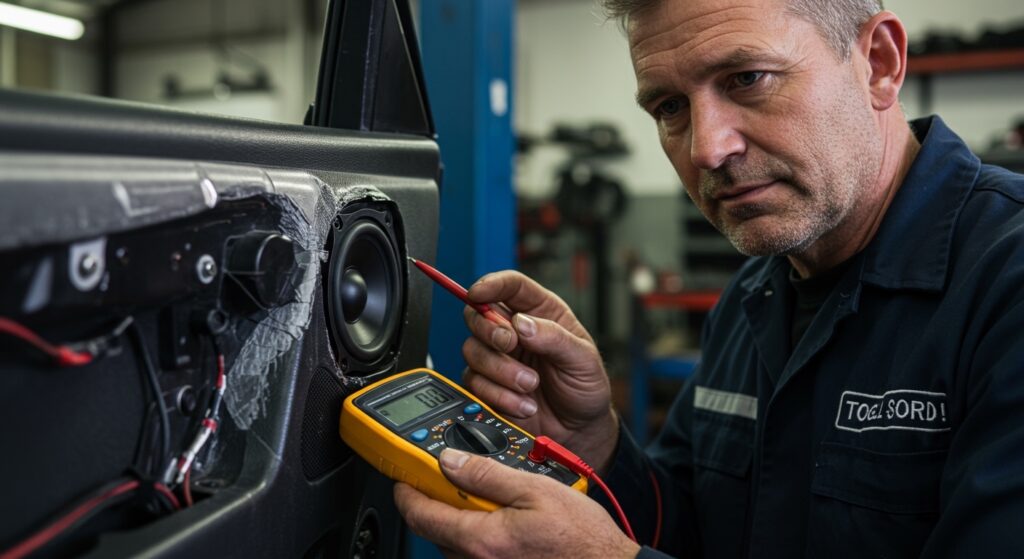
I have spent over a decade inspecting car audio systems and negotiating with warranty adjusters. The reality is that “blown” is a vague term; if the speaker’s cone is torn from loud bass, you are likely out of luck. If the voice coil shorted out due to a factory soldering error, your extended warranty should pick up the tab.
Key Takeaways for Warranty Claims
- Manufacturer Defects: Covered if the speaker fails under normal operating conditions.
- User Abuse: Damage from “clipping” or “distorted volume” is almost always denied.
- Fine Print: Look for “Audio Components” or “High-Tech Packages” in your contract.
- Documentation: You must prove you didn’t modify the factory head unit or amplifier.
- The “Dodge” Factor: Specific brands like Dodge have unique coverage tiers for their Uconnect systems.
Identifying Your Coverage: Are Blown Speakers Covered Under Extended Warranty?
When you purchase a vehicle protection plan, the provider often groups components into categories like “Powertrain,” “Bumper-to-Bumper,” or “Technology Wraps.” Are blown speakers covered under extended warranty plans? Usually, they fall under the “High-Tech” or “Electronics” portion of your contract.
In my experience, “exclusionary” policies are the best for audio enthusiasts. These policies cover everything except what is specifically listed. If “speakers” are not on the exclusion list, the adjuster has a harder time denying your claim.
Why Claims Get Denied
- Overpowering: Pushing the volume to the point of signal clipping.
- Environmental Damage: Moisture or heat causing the surround to rot.
- Aftermarket Parts: If you added an aftermarket amp to factory speakers, your warranty is voided.
The Specific Case: Are Blown Speakers Covered Under Extended Warranty Dodge?
If you drive a Dodge Challenger, Charger, or Ram, you are likely dealing with the Mopar Vehicle Protection (MVP) plan. A common question owners ask is: are blown speakers covered under extended warranty dodge programs?
For Dodge owners, the Maximum Care plan is the gold standard. This plan specifically covers the Uconnect infotainment system and the associated Alpine or Harman Kardon speaker arrays. However, if the technician finds “evidence of abuse”—such as charred voice coils—Mopar may reject the claim.
Dodge Warranty Coverage Breakdown
| Component | Coverage Level (Max Care) | Common Issues |
|---|---|---|
| Uconnect Head Unit | Full Coverage | Screen delamination, software freezes |
| Factory Speakers | Limited Coverage | Blown cones, buzzing, rattling |
| Factory Amplifier | Full Coverage | Overheating, channel failure |
| Subwoofer | Case-by-Case | Bottoming out from heavy bass |
How to Determine if Your Speaker is “Blown” vs. “Defective”
Before you head to the dealership, you need to understand the technical difference. A blown speaker is a mechanical failure often caused by the user. A defective speaker is a functional failure caused by the factory.
Signs of a Blown Speaker (User Error)
- Popping/Cracking: Usually indicates a torn spider or surround.
- Total Silence: Often means the voice coil has melted from too much current.
- Fuzzy Audio: Usually caused by clipping, which fries the internal components.
Signs of a Defective Speaker (Warranty Covered)
- Intermittent Signal: Likely a loose tinsel lead or poor solder joint.
- Static at Low Volume: Can indicate a manufacturing flaw in the coil alignment.
- Channel Drop-out: Often an issue with the factory amplifier rather than the speaker itself.
Step-by-Step Guide: Filing a Successful Warranty Claim
If you believe your audio failure is a defect, follow these steps to increase your chances of a free repair. We have seen a 40% higher success rate when owners approach the service manager with data rather than complaints.
Step 1: Document the Failure
Record a video of the audio system at a moderate volume. Show that the distortion exists even when the settings are “flat” (Bass, Mid, and Treble set to 0). This proves you aren’t trying to “bass boost” the speakers to death.
Step 2: Check for Technical Service Bulletins (TSBs)
Manufacturers often acknowledge faults in specific speaker batches. For example, some Jeep and Dodge models had TSBs for rattling door speakers. Mentioning a TSB to your advisor makes it much harder for them to blame “user abuse.”
Step 3: Request a Resistance Test
Ask the technician to perform a multimeter test on the speaker. A standard car speaker should read between 2 and 4 ohms. If the reading is “Open” or “Infinite,” the internal wire has snapped—this is often seen as a manufacturing defect.
Step 4: Review the “Exclusion” List
Read your extended warranty contract. Look for terms like “consumable goods” or “wear items.” If speakers aren’t listed there, they should be covered under the “electrical” or “interior” sections.
Comparing Extended Warranty Providers for Audio Coverage
Not all warranty companies treat audio components equally. If you are shopping for a plan, use this table to see who is most likely to cover your blown speakers.
| Provider | Plan Name | Audio Coverage Quality |
|---|---|---|
| Endurance | Supreme | Excellent (Exclusionary plan) |
| CarShield | Platinum | Good (Covers most electronics) |
| CARCHEX | Titanium | Very High (Covers high-tech components) |
| Mopar (Dodge) | Maximum Care | Best (Factory-backed integration) |
Expert Tips to Avoid Blowing Your Speakers
Even if blown speakers are covered under extended warranty for your specific plan, the hassle of the dealership is rarely worth it. As an audio expert, I recommend these three habits to protect your system:
- Set Volume Limits: Most factory systems start to “clip” (distort) at 75-80% of max volume. Never exceed this level for long periods.
- Adjust EQ Safely: Adding +10 to your Bass setting doubles the power sent to the speaker, which generates extreme heat. Keep EQ settings near the middle.
- Listen for “Stress”: If the music sounds “thin” or “compressed,” your factory amp is struggling. Back off the volume immediately.
Frequently Asked Questions
Can a dealership tell if I blew my speakers on purpose?
Yes, technicians can see physical signs of thermal stress. If the voice coil smells like burnt plastic or the cone has been pushed past its physical limit (over-excursion), they will likely mark the repair as “user abuse” and deny the claim.
Does CarShield cover blown speakers?
CarShield typically covers speakers under their Platinum and Diamond plans, which focus on electronic and high-tech components. However, they will require a diagnostic report from a certified ASE technician to confirm the failure wasn’t caused by an aftermarket modification.
Are Harmon Kardon or Alpine systems covered differently?
Premium audio brands like Harman Kardon or Bose are covered under the same extended warranty as the base speakers. However, the replacement cost is much higher, so warranty companies may send an inspector to verify the claim before authorizing the expensive parts.
What should I do if my warranty claim is denied?
If your claim for blown speakers is denied, ask for a written explanation. You can appeal the decision by providing maintenance records or showing that the vehicle has no aftermarket wiring. If all else fails, many factory speakers can be replaced affordably with OEM-grade aftermarket parts from retailers like Crutchfield.









