

Are Blown Speakers Worth Anything? The Short Answer
Yes, blown speakers are worth money, particularly if they are vintage, high-end professional audio models, or contain rare Alnico magnets. While a standard consumer-grade speaker might only be worth its weight in scrap copper, premium brands like JBL, Altec Lansing, Electro-Voice (EV), and Celestion maintain significant value as “cores” for restoration. Collectors and audiophiles often pay 20% to 50% of the working market value for a blown unit because the original frame and magnet structure are irreplaceable.
In my years of refurbishing vintage audio gear, I’ve found that many people literally throw away hundreds of dollars because they assume a “scratchy” or “silent” speaker is trash. In reality, the “bones” of the speaker—the basket and the magnet assembly—are the most valuable parts. If the speaker features a cast-aluminum frame or a high-performance voice coil, it is absolutely worth selling or repairing.
Quick Summary: Key Takeaways on Blown Speaker Value
- Brand is King: High-end brands like Tannoy, Klipsch, and Western Electric are valuable even if completely non-functional.
- Magnet Type Matters: Speakers with Alnico magnets (Aluminum, Nickel, Cobalt) are highly sought after by guitarists and tube-amp enthusiasts.
- The “Core” Concept: Professionals buy blown speakers as “cores” to perform a reconing (replacing the moving parts while keeping the original frame).
- Scrap Value: If the speaker is a cheap “big box” brand, its value is limited to the scrap copper in the voice coil and the steel in the basket.
- Shipping Costs: Because speakers are heavy, the shipping cost often determines if a sale is profitable.
Understanding the Resale Market: Why Anyone Buys “Broken” Gear
When you ask, “are blown speakers worth anything,” you have to understand the perspective of the buyer. Most buyers fall into three categories: DIY hobbyists, professional reconers, and scrap metal collectors.
The Value of the “Basket” and “Motor”
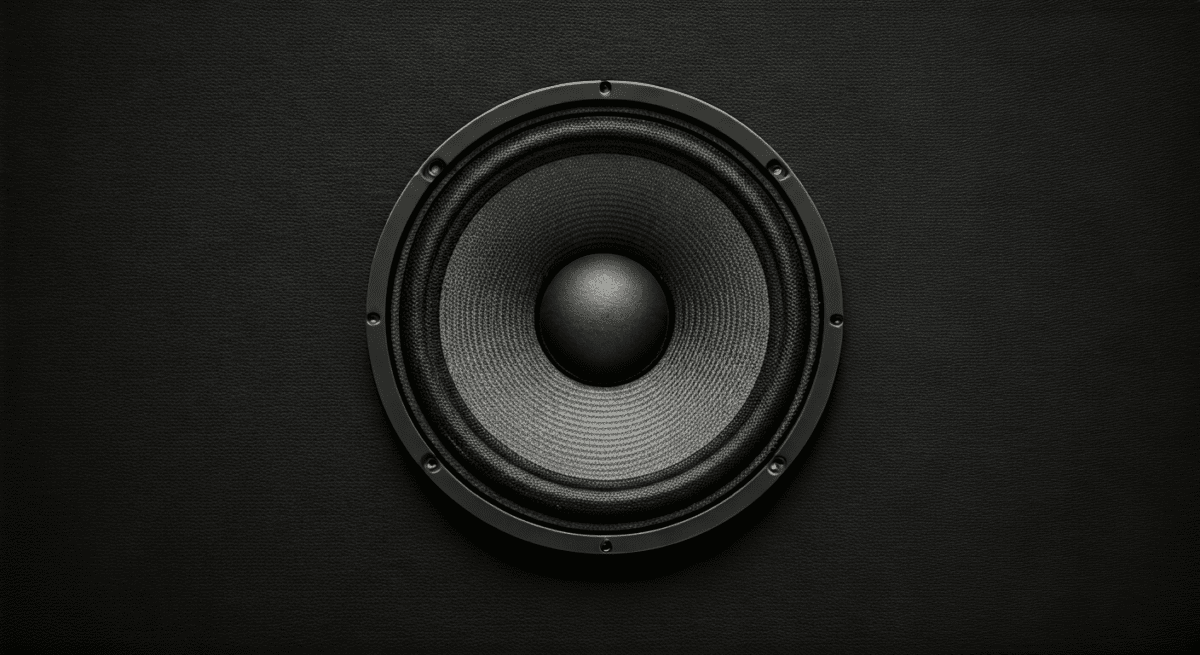
A speaker consists of two main sections: the “soft parts” (the cone, surround, and voice coil) and the “hard parts” (the metal basket and the magnet). When a speaker is “blown,” it usually means the soft parts are damaged. However, the magnet assembly (the motor) and the cast-iron or aluminum basket are virtually indestructible.
For rare vintage models, the metal frame is no longer in production. An enthusiast who wants an authentic 1960s Vox AC30 sound needs the original Celestion Blue frame. They will gladly buy your blown unit, send it to a specialist like Great Plains Audio, and have it restored to factory specifications.
The “Originality” Factor
In the world of high-fidelity (Hi-Fi) audio, originality is paramount. I once encountered a pair of JBL 2235H woofers with completely shredded cones. Despite the damage, they sold for nearly $300 on the secondary market. Why? Because the buyer wanted the original JBL frames to ensure their cabinets remained “period correct.”
Which Brands of Blown Speakers Are Worth the Most?
Not all speakers are created equal. If you find a blown speaker from a budget home theater-in-a-box system (like Sony, Samsung, or Logitech), the cost of shipping will likely exceed its value. However, the following brands are always worth a second look.
High-Value Professional & Hi-Fi Brands
| Brand | Popular Models | Estimated “Blown” Value |
|---|---|---|
| JBL | D130, 2226H, 2241, LE15A | $75 – $250+ |
| Altec Lansing | 416-8B, 515B, 604 Duplex | $200 – $600+ |
| Electro-Voice (EV) | EVM12L, DL15X, 30W | $50 – $150 |
| Celestion | Vintage 30, G12M Greenback (Pre-Rola) | $40 – $200+ |
| Tannoy | Gold, Red, or Silver Monitors | $500 – $1,500+ |
| Klipsch | K-33 (from Heritage series) | $40 – $100 |
Identifying “Crap” vs. “Cash”
As a general rule of thumb, look at the basket (the metal frame holding the cone).
- Stamped Steel Baskets: These are thin, lightweight, and usually found on cheaper speakers. Unless they are vintage Jensen or Oxford guitar speakers, they have low value when blown.
- Cast Aluminum Baskets: These are thick, heavy, and rigid. If you tap them, they don’t “ring” like a tin can. Almost any speaker with a cast basket is worth money, even if the cone is gone.
How to Test if a Speaker is Truly “Blown”
Before you list your item, you need to know exactly what is wrong with it. Buyers will ask for specifics. In my workshop, I use three main methods to diagnose speaker health.
The Multimeter Test (Ohm Reading)
This is the most accurate way to check the voice coil.
- Set your multimeter to the Ohms (Ω) setting.
- Touch the leads to the speaker terminals.
- Infinite Reading (OL): The voice coil is “open” or burned through. It is officially “blown.”
- Low Reading (e.g., 6.4 Ohms for an 8-ohm speaker): The coil is likely fine. The problem might be the cone or the external crossover.
The 9-Volt Battery “Pop” Test
If you don’t have a multimeter, use a standard 9V battery.
- Briefly touch the battery terminals to the speaker terminals.
- A healthy speaker will make a “pop” sound and the cone will move.
- If there is no sound and no movement, the voice coil is dead.
The Manual “Rub” Test
Sometimes a speaker isn’t “dead,” but it is “blown” due to mechanical failure.
- Gently and evenly press down on the speaker cone with both hands.
- If you feel a gritty, scratching sensation, the voice coil has overheated and warped (a “rubbing” coil).
- This speaker requires a full recone to be usable again.
Step-by-Step: How to Sell Your Blown Speakers for Max Profit
If you’ve confirmed your speakers have value, don’t just put them on Craigslist for $5. Follow this process to maximize your return.
Step 1: Document the Model and Codes
Look for stamped numbers on the magnet or the rim.
- EIA Codes: Many vintage American speakers have a 6-digit code. For example, 220 stands for Jensen, 122 for Altec, and 465 for Oxford.
- Knowing the specific year (indicated by the last few digits of the code) can double the price for a collector looking for a specific production run.
Step 2: Take High-Quality Photos
Show the damage clearly.
- Take a photo of the front (cone), the back (magnet/label), and the side (frame profile).
- If the surround (the outer ring) is rotted but the cone is intact, mention that. This is a “re-foam” job rather than a full “re-cone,” which is much cheaper to fix.
Step 3: Choose the Right Marketplace
- eBay: Best for rare vintage speakers. You reach a global audience of collectors who are willing to pay for shipping. Use keywords like “For Parts or Repair” and “Core for Recone.”
- Reverb.com: Specifically for musical instrument speakers (guitar and bass). If you have a blown Celestion or Eminence, sell it here.
- Facebook Marketplace/Craigslist: Best for heavy PA speakers or large subwoofers where shipping would cost $100+.
Calculating the Repair Cost vs. Resale Value
Sometimes, it is smarter to fix the speaker yourself before selling. This is particularly true for high-end Hi-Fi speakers like those from Advent, Acoustic Research, or Bose.
Re-foaming vs. Reconing
- Re-foaming ($20 – $50): This is when the foam ring around the edge has disintegrated. You can buy a DIY kit and do this in an afternoon. A “re-foamed” pair of Advent Loudspeakers can sell for $200, whereas “blown” ones might only fetch $50.
- Reconing ($100 – $300): This involves replacing the entire internal assembly. This usually requires professional tools and adhesives. Unless it is a very high-value JBL or Altec unit, it’s usually better to sell it “as-is” and let the buyer handle the reconing.
The Scrap Value: When to Give Up
If you have a generic 6×9 car speaker or a plastic-cased computer speaker, it is likely not worth selling on the used market. However, you shouldn’t just throw it in the trash.
Extracting Valuable Materials
- Copper: The voice coil contains high-grade copper wire. While small, if you have a large pile of blown speakers, the copper weight adds up.
- Steel: The baskets are typically made of cold-rolled steel.
- Magnets: Large ferrite magnets can be salvaged for shop use or sold to hobbyists. Note: Neodymium magnets are very valuable but are usually only found in modern, high-end, lightweight PA speakers.
Practical Advice for Shipping Heavy Speakers
Shipping is the biggest hurdle when answering are blown speakers worth anything. If you don’t pack them correctly, the magnet can break off the frame (shifting), rendering the speaker worthless even as a core.
- Face-to-Face Packing: If you are shipping a pair, bolt them together face-to-face (using the mounting holes) with a piece of cardboard between them. This protects the cones.
- The “Float” Method: Place the speaker in a box with at least 3 inches of padding (heavy-duty bubble wrap or foam) on all sides.
- Double Boxing: For heavy vintage magnets (like an Altec 416), always double-box. The inner box holds the speaker, and the outer box provides the crush zone.
Expert Perspective: Why I Buy Blown Speakers
As a restorer, I actively look for blown speakers. My most successful “flip” was a pair of JBL 2441 compression drivers. The seller thought they were dead because there was no sound. I bought them for $100.
Upon inspection, the diaphragms were simply dirty. Even if they had been blown, new high-quality diaphragms cost about $80. Once cleaned, I sold the pair for $550.
The lesson? The housing and the magnet are where the engineering lives. The parts that “blow” are designed to be replaceable.
Frequently Asked Questions (FAQ)
Is a speaker with a torn cone considered “blown”?
Technically, “blown” usually refers to a failed voice coil, but a torn cone also renders the speaker unusable. A torn cone is often easier to fix than a burnt voice coil, as small tears can be patched with coffee filters and wood glue (a common “field repair”). However, for resale, a torn cone is valued similarly to a blown speaker.
Can I get money for blown car speakers?
Generally, no. Most factory car speakers are made with very cheap materials and “paper” magnets. Unless they are high-end aftermarket brands like Focal, JL Audio, or Morel, their resale value is negligible. You are better off recycling them at an e-waste center.
How much do scrap yards pay for speakers?
Scrap yards usually classify speakers as “irony copper” or “electric motors.” You won’t get much—perhaps $0.10 to $0.25 per pound. You will almost always make more money selling a high-end speaker for parts on eBay than you will at a scrap yard.
What are Alnico magnets, and why are they valuable?
Alnico is an alloy of Aluminum, Nickel, and Cobalt. These magnets were used in speakers from the 1940s through the 1970s. Guitarists love them because they have a “musical” way of compressing sound when pushed hard. Because Cobalt is expensive and hard to source, these speakers are worth a premium, even if the cone is shredded.
Should I remove the magnet before selling?
No! The value of a blown speaker lies in the complete assembly. A buyer wants the frame and the magnet together so









