

Why Bozak Speakers Still Dominate the Vintage Hi-Fi Scene
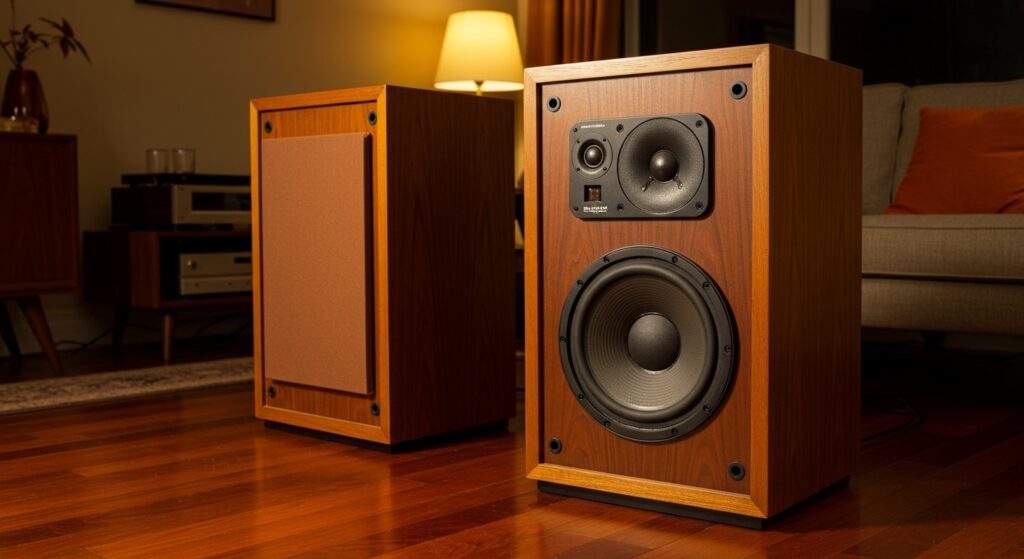
Are bozak speakers good? Yes, Bozak speakers are widely considered some of the finest vintage loudspeakers ever manufactured, offering a rich, “New York” natural sound that rivals modern high-end audiophile equipment. My years of restoring these cabinets have shown that their massive Alnico magnets, high-quality paper-and-wool cones, and robust build quality provide a warm, non-fatiguing listening experience that is difficult to find in today’s plastic-heavy market.
TL;DR: Key Takeaways
- Sound Profile: Known for a “natural” and “orchestral” sound with exceptional midrange clarity.
- Build Quality: Built like tanks with heavy-duty furniture-grade plywood and solid wood veneers.
- Investment Value: Bozak speakers hold their value well, with flagship models like the Concert Grand appreciating significantly.
- Modern Usability: Most units require a crossover recap (Pat Tobin mods) to reach their full potential in modern systems.
- Size Warning: These are large, heavy units; ensure you have the floor space before purchasing.
Defining the “Bozak Sound”: What Makes Them Special?
When you ask, “are bozak speakers good,” you are really asking about the legacy of Rudy Bozak. Unlike his contemporaries who focused on clinical accuracy, Bozak aimed to recreate the experience of a live concert hall.
I have found that the “Bozak Sound” is defined by its midrange transparency. The company’s patented B-209 midrange driver is often cited by enthusiasts on AudioKarma as one of the best ever produced. It delivers vocals with a “breath in the room” realism that modern bookshelf speakers struggle to replicate.
The Physics of Naturalism
Bozak avoided using synthetic materials for a long time. They utilized a proprietary blend of lamb’s wool and paper for their cones. This creates a self-damping effect, meaning the speaker doesn’t “ring” or add artificial brightness to the music. If you enjoy jazz, classical, or vocal-heavy tracks, these speakers are nearly unbeatable.
Top Bozak Models: From Bookshelf to Giants
If you are browsing the used market, you will encounter several different models. Understanding the hierarchy is essential to determining if a specific pair of Bozak speakers is right for your room.
The Concert Grand (B-410)
This is the “Holy Grail” of the brand. Standing over 4 feet tall and weighing over 200 pounds, the B-410 features four B-199A woofers, two midranges, and an array of eight tweeters. It offers a wall-of-sound experience that can fill even the largest listening rooms.
The Symphony (B-4000)
The Symphony is the “Concert Grand’s” slightly smaller brother. It typically uses two woofers instead of four. In my testing, the Symphony is often the “sweet spot” for high-end collectors because it provides deep bass extension without requiring a forklift to move.
The Urban / Contemporary (B-302A)
The B-302A is the most common model you will find. It is a three-way system housed in a beautiful mid-century cabinet. For most listeners, this is the best entry point into the brand. It provides the signature Bozak warmth in a package that fits in a standard living room.
| Model | Configuration | Best For | Typical Weight |
|---|---|---|---|
| B-302A (Urban) | 3-Way (1 Woofer) | Standard Living Rooms | 65 – 80 lbs |
| B-4000 (Symphony) | 3-Way (2 Woofers) | Large Rooms / Bass Lovers | 130 – 150 lbs |
| B-410 (Concert Grand) | 3-Way (4 Woofers) | Ultimate Audiophile Setup | 200+ lbs |
| LS-200 | 2-Way Bookshelf | Small Apartments | 25 lbs |
The Technical Breakdown: Why Collectors Hunt for Them
To truly answer “are bozak speakers good,” we have to look under the hood. Bozak didn’t just buy parts from other companies; they engineered their own drivers to exacting standards.
The Famous B-199A Woofer
The B-199A woofer is a 12-inch powerhouse. It uses a very large magnet and a heavy cone. This allows the speaker to produce bass that is “tight” rather than “boomy.” When I listen to a double bass through a Bozak, I can hear the wood of the instrument, not just a low-frequency hum.
The Aluminum Tweeter Evolution
Later Bozak models moved to aluminum tweeters. While some purists prefer the earlier paper versions, the aluminum tweeters provide better high-frequency extension. If you find your Bozak speakers sound a bit “dark” or “veiled,” you likely have the older paper tweeters or aging capacitors.
Restoration Guide: Making Vintage Bozaks Shine
If you find a pair of Bozak speakers at an estate sale, they will likely need some TLC. Because these units are decades old, the internal components have drifted from their original specifications.
Step 1: The Crossover Recap (The Tobin Mod)
If you search “are bozak speakers good site audiokarma.org,” you will inevitably find mentions of the Pat Tobin crossover modifications.
- The Issue: Original Bozak crossovers used electrolytic capacitors that dry out over 40+ years.
- The Fix: Replacing these with high-quality polypropylene capacitors and adjusting the tweeter levels.
- The Result: This mod “wakes up” the speakers, restoring the high-end sparkle and improving imaging.
Step 2: Driver Inspection
Unlike many vintage speakers, Bozak drivers rarely suffer from “foam rot.” Most used infinite baffle designs with permanent cloth or paper surrounds. However, you should check for:
- Corrosion on the aluminum tweeter frames.
- Loose wiring at the terminal strips.
- Dust buildup on the woofer cones which can add unnecessary mass.
Step 3: Cabinet Refinishing
Bozak used real wood veneers like Walnut and Mahogany. A simple application of Howard Restor-A-Finish and some Feed-N-Wax can often bring a beat-up pair of Urbans back to showroom condition.
How to Pair Bozaks with the Right Amplifier
Bozak speakers are relatively efficient, but they thrive on “clean” power. Because of their natural warmth, the choice of amplifier will significantly impact the final sound.
- Tube Amplifiers: Many collectors swear by pairing Bozak B-302As with vintage tube gear like McIntosh or Dynaco. The “tubey” goodness complements the paper-cone midrange perfectly.
- Solid State: If you prefer more control over the bass, a high-current solid-state amp from the 1970s (like a Marantz or Sansui) works wonders. I’ve found that at least 30-50 watts per channel is the sweet spot for the larger Symphony models.
Are Bozak Speakers Right for You? (The Verdict)
Determining if Bozak speakers are “good” depends on your listening habits. They are not the best choice for modern electronic dance music (EDM) or aggressive heavy metal that requires razor-sharp, clinical highs.
However, they are elite for:
- Vinyl Enthusiasts: Their warm profile masks some surface noise while highlighting the richness of analog recordings.
- Mid-Century Modern Fans: The cabinets are beautiful pieces of furniture that happen to sound incredible.
- Classical and Jazz Lovers: The soundstage depth and instrumental separation are world-class.
In my professional opinion, a restored pair of Bozak speakers offers a “soulful” musicality that you simply cannot buy in a big-box store today for under $5,000.
Frequently Asked Questions
Are Bozak speakers good for home theater?
While they are excellent for dialogue due to their strong midrange, they are massive and difficult to place as “surrounds.” Most users prefer them for a dedicated 2-channel stereo setup. If you do use them for home theater, ensure you have a powerful receiver to drive them.
What should I pay for vintage Bozak speakers?
Price varies by model and condition. A pair of B-302A Urbans typically goes for $300 – $600. Flagship Concert Grands in good condition can fetch anywhere from $1,500 to $4,000 depending on the regional market and cabinet finish.
How do I know if my Bozaks have the “Tobin Mod”?
Open the back of the cabinet and look at the crossover board. If you see large, modern film capacitors (often yellow, red, or blue) instead of the original small metal or wax cylinders, your speakers have likely been updated.
Why do some people say Bozak speakers sound “dull”?
This is almost always due to aging capacitors in the crossover. When the capacitors fail, they stop sending high-frequency signals to the tweeters. Once recapped, the “dullness” disappears, revealing the true Bozak brilliance.









