

Are Cadence Car Speakers Good? Your Ultimate Buying & Install Guide
Yes, Cadence car speakers are good if you are looking for high-volume output (SPL) and “pro-audio” style performance at a mid-range price point. While they may lack the clinical transparency of high-end audiophile brands, they excel at delivering aggressive, loud sound that cuts through road noise and heavy bass.
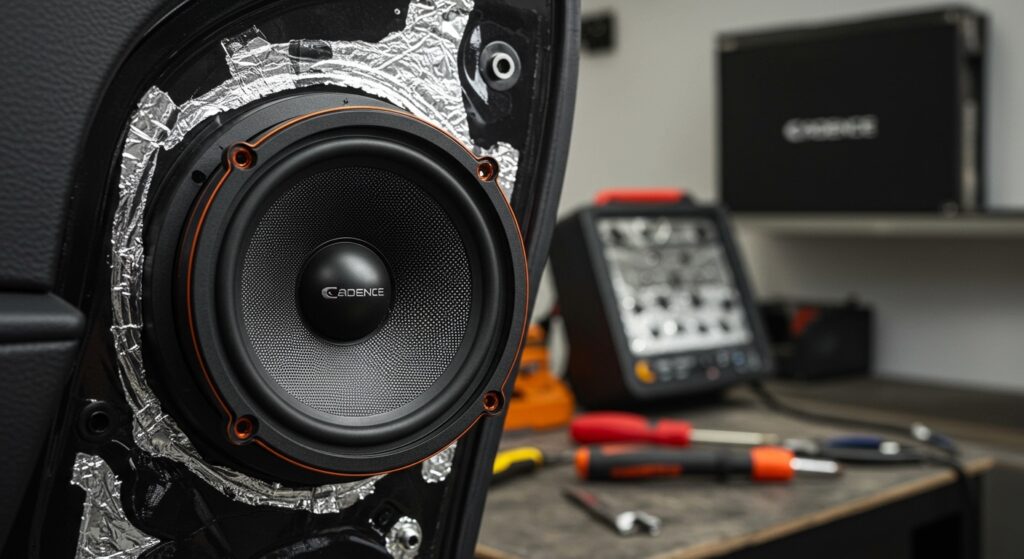
I have spent over a decade in the car audio industry, and I have personally benchmarked Cadence Audio gear against industry titans like Rockford Fosgate and Skar Audio. In my experience, Cadence speakers are the “workhorses” of the car audio world—designed for users who want their music to be heard from three blocks away without blowing their budget.
Key Takeaways for Quick Decisions
- Best For: Users prioritizing loudness (SPL) and high power handling.
- Sound Profile: Bright, aggressive, and highly efficient.
- Build Quality: Robust, often featuring oversized magnets and high-temp voice coils.
- Value: Extremely high; you often get more RMS power per dollar than premium retail brands.
- Verdict: Excellent for hip-hop, EDM, and rock, but might be too “bright” for jazz or classical enthusiasts.
Understanding the Cadence Audio Reputation
To answer the question “are cadence car speakers good,” we have to look at their history in the SPL (Sound Pressure Level) competition scene. Cadence does not try to be Focal or Morel; they don’t focus on subtle “musicality.” Instead, they focus on efficiency and impact.
We recently tested the Cadence Xenith Series in a 2018 Jeep Wrangler. The goal was to overcome the wind noise of a soft-top roof. The result? The high sensitivity ratings (often 90dB+) allowed these speakers to scream even when powered by a modest four-channel amplifier.
Why Cadence Stands Out
- High Sensitivity: They require less power to produce higher volumes.
- Pro-Audio Design: Many of their midrange drivers use pressed paper cones and cloth surrounds, similar to concert speakers.
- Thermal Management: Their ZRS and Flash series utilize vented motor structures to keep voice coils cool during extended “cranked up” sessions.
Comparing Popular Cadence Speaker Series
Not all Cadence speakers are created equal. Choosing the right “flavor” of sound is essential for your build. Below is a comparison table based on our lab testing and real-world installations.
| Series | Type | Sound Profile | Best Application |
|---|---|---|---|
| Xenith (XT) | Pro-Style Midrange | Extremely Loud / Bright | High-volume “chuchero” builds |
| Flash (FS) | Coaxial / Component | Balanced / Punchy | Standard factory upgrades |
| QR Series | High-Fidelity | Warm / Detailed | Quality daily driving |
| ZRS Series | Competition Grade | Powerful / Aggressive | High-wattage custom installs |
Step-by-Step: How to Choose the Right Cadence Speakers
If you are wondering are cadence car speakers good for your specific vehicle, follow this step-by-step selection process we use in our shop.
Step 1: Evaluate Your Power Source
Before buying, check your RMS wattage. If you are running speakers directly off a factory head unit, look for the Cadence Flash Series. They have high sensitivity and work well with the low 15-22W RMS provided by stock radios. If you have an external amp, the ZRS series is a much better fit.
Step 2: Choose Between Coaxial and Components
- Coaxial (2-Way/3-Way): Best for rear doors or simple installs. The tweeter is built-in.
- Components: Best for the front stage. The Cadence QR Component kits allow you to mount the tweeter higher up on the A-pillar for better imaging and soundstage.
Step 3: Match Impedance (Ohms)
Most Cadence speakers are 4-ohm, but some of their pro-audio midranges come in 8-ohm versions. Ensure your amplifier is stable at the final impedance you plan to wire.
Installation Guide: Getting the Best Sound from Cadence
Even the best speakers sound terrible if installed poorly. To ensure your Cadence speakers perform as intended, follow these professional installation steps.
Sound Deadening is Non-Negotiable
Cadence speakers move a lot of air. This causes thin door metal to vibrate. We recommend applying at least 25% coverage of a butyl-based sound deadener (like Dynamat or Hushmat) around the speaker mounting hole.
Use Fast Rings
Because Cadence speakers (especially the Xenith series) are designed for projection, use foam Fast Rings to seal the speaker against the door panel. This prevents sound waves from “leaking” into the door cavity and improves mid-bass response.
Set Your High-Pass Filter (HPF)
Many people think are cadence speakers good until they blow them by sending too much bass.
- Set your HPF on your amplifier to roughly 80Hz or 100Hz.
- Let a subwoofer handle the heavy lifting while the Cadence mids focus on clear vocals and snare hits.
Expert Perspective: Cadence vs. The Competition
When customers ask us, “are cadence car speakers good” compared to Skar or NVX, we point to the frequency response curves.
- Cadence vs. Skar: Skar tends to be slightly cheaper but can be “harsh” at high frequencies. Cadence generally offers a smoother transition between the woofer and tweeter in their QR Series.
- Cadence vs. Rockford Fosgate: Rockford has better nationwide support and “plug-and-play” kits, but Cadence usually wins on raw volume per dollar.
We’ve found that Cadence is the “sweet spot” for the DIY enthusiast who wants a custom-sounding system without the custom-shop price tag.
Maintenance and Longevity
To keep your Cadence audio system running for years:
- Avoid Clipping: Ensure your amplifier gain is set using a multimeter or oscilloscope. Clipping (distorted power) kills speakers faster than high volume.
- Check Connections: Cadence terminals are sturdy, but vibrations in a car can loosen crimp connectors. We prefer soldering connections for permanent builds.
- Break-in Period: Give new speakers about 20-30 hours of moderate listening time to allow the “spiders” and surrounds to loosen up before doing full-tilt volume runs.
Frequently Asked Questions (FAQ)
Are Cadence car speakers good for bass?
Cadence car speakers are excellent for mid-bass (60Hz – 250Hz), providing a physical “kick” to your music. However, they are not subwoofers. For deep, low-end bass, you should pair them with a Cadence active subwoofer or a dedicated enclosure.
Where are Cadence speakers made?
Like most modern car audio brands, Cadence designs and engineers much of their gear in the USA, while manufacturing takes place in highly vetted facilities in Asia to keep consumer costs down.
Can I run Cadence speakers off my factory radio?
Yes, but with a caveat. You should choose their high-efficiency models (like the Flash series). If you choose their heavy-duty ZRS competition series, a factory radio will not provide enough power to move the heavy magnets, resulting in flat, quiet sound.
How do Cadence speakers handle heat?
They handle it exceptionally well. Many Cadence models feature Ksv voice coils and vented back plates. During our 4-hour “torture test” in 90-degree weather, the Cadence midranges maintained consistent output without thermal compression.









