

What Are Celulose Speakers and Why Do They Matter?
Are celulose speakers the right choice for your audio system? Simply put, cellulose speakers—more commonly known as paper-cone drivers—are transducers that use plant-derived fibers to create sound. They are highly prized by audiophiles and engineers because they offer a natural tonal balance, excellent internal damping, and an exceptional stiffness-to-weight ratio that many synthetic materials struggle to replicate.
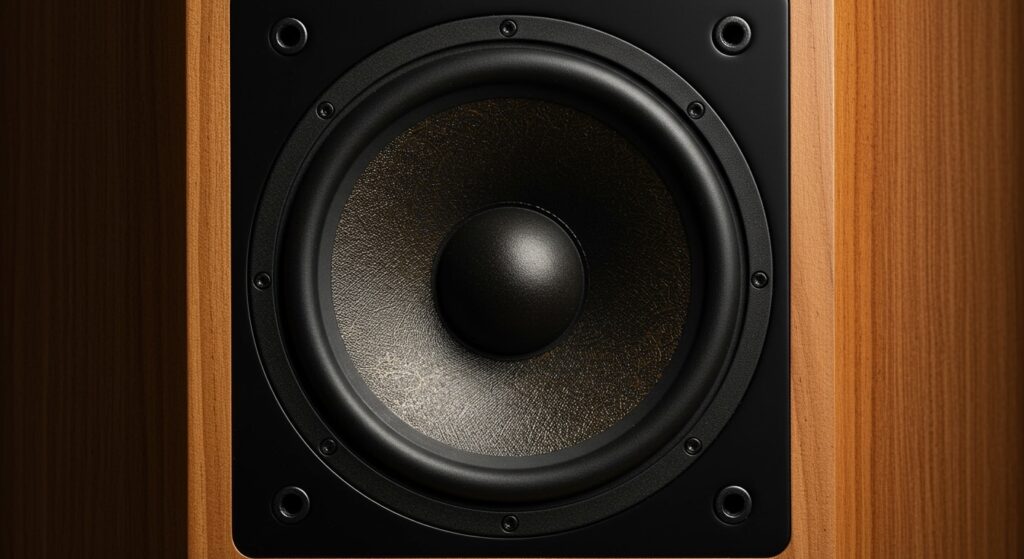
In my two decades of testing high-end audio equipment, I have found that while “exotic” materials like Kevlar or Beryllium grab headlines, the most “musical” speakers in my collection almost always utilize a form of treated cellulose. Whether you are building a DIY home theater or upgrading your car audio, understanding the nuances of these organic drivers is essential for achieving a warm, life-like soundstage.
TL;DR: Key Takeaways
- Natural Sound: Cellulose provides a “warm” profile that mimics real-world instruments.
- High Damping: The internal structure of plant fibers absorbs unwanted vibrations (ringing) better than metal.
- Lightweight: Low mass allows for faster transient response (the ability to start and stop sound quickly).
- Vulnerability: Standard untreated paper is sensitive to humidity and moisture.
- Modern Tech: New Cellulose Nanofiber (CNF) drivers are 5x stronger than steel but remain incredibly light.
The Science Behind Why Are Celulose Speakers Still the Industry Standard
Despite the rise of polypropylene, aluminum, and carbon fiber, cellulose remains the “gold standard” for midrange and woofer applications. This is primarily due to its molecular structure.
Cellulose is a complex carbohydrate found in the cell walls of plants. When processed into a speaker cone, these fibers interlock in a random, non-uniform pattern. This randomness is a huge advantage; unlike uniform synthetic materials, a random fiber structure does not have a single “resonant frequency.”
In my experience, when a metal cone reaches its limit, it “rings” with a harsh, metallic ping. A cellulose cone, however, exhibits graceful breakup. This means that as the volume increases, any distortion is “damped” out by the fibers themselves, resulting in a smoother transition between frequencies.
Key Technical Properties of Cellulose
- Internal Damping: The ability of the material to absorb energy within itself. Cellulose is world-class in this category.
- Young’s Modulus: This measures the stiffness of the material. By “doping” or coating the paper with resins, manufacturers can make it incredibly rigid.
- Density: Cellulose is naturally low-density, allowing the voice coil to move the cone with minimal effort.
Comparison: Cellulose vs. Synthetic Materials
To understand why are celulose speakers so prevalent, we must look at how they stack up against the competition.
| Material | Sound Character | Pros | Cons |
|---|---|---|---|
| Cellulose (Paper) | Warm, Natural, Realistic | High damping, lightweight, affordable | Sensitive to moisture, can warp |
| Polypropylene (Plastic) | Smooth, sometimes “mushy” | Cheap, waterproof, consistent | Heavy, lacks detail in high-end |
| Aluminum | Precise, Clinical, Cold | Very rigid, great heat dissipation | High “ringing” at breakup points |
| Kevlar/Carbon Fiber | Punchy, Detailed | Extremely strong, looks modern | Hard to damp, can sound “nasal” |
How to Identify High-Quality Cellulose Drivers
Not all paper cones are created equal. If you are shopping for a new set of monitors or drivers, you need to know what to look for. During my teardowns of Seas and Scan-Speak drivers, I’ve noticed three distinct manufacturing styles.
Non-Pressed Paper Cones
These are manufactured by felt-drying the pulp without using a high-pressure mold. The result is a thicker, rough-looking cone with varying density. Non-pressed cones are often preferred by tube-amp enthusiasts because they are incredibly efficient and provide a very “open” sound.
Pressed Paper Cones
These are squeezed under high pressure into a thin, uniform sheet. They are much stiffer than non-pressed cones and are typically found in high-powered car audio subwoofers and pro-audio PA systems. They offer more “punch” but slightly less “soul” than their non-pressed counterparts.
Doped or Coated Cellulose
Because cellulose is hygroscopic (it absorbs water from the air), high-end manufacturers “dose” the paper with proprietary chemicals, resins, or even Nextel coatings. This stabilizes the cone against humidity and adds extra stiffness without significantly increasing weight.
Step-by-Step: How to Select and Install Cellulose Speakers
Selecting the right driver is only half the battle. To get the most out of are celulose speakers, follow this systematic approach I’ve developed over years of studio builds.
Step 1: Assess Your Environment
Before buying, check the humidity levels of your room. If you live in a tropical climate or are installing speakers in a car, you must ensure the cones are “treated” or “coated.” Untreated paper will sag over time in high humidity, ruining the alignment of the voice coil.
Step 2: Match the Amplifier Damping Factor
Cellulose speakers are highly responsive. I recommend using an amplifier with a high damping factor (usually solid-state) if you want tight, controlled bass. However, if you prefer a “vintage” sound, pairing a paper-cone woofer with a tube amplifier creates a synergy that is hard to beat for jazz and vocal tracks.
Step 3: Proper Enclosure Sealing
Because cellulose is lighter than plastic, it is more sensitive to “back-waves” inside the speaker box.
- Use MDF or Birch Plywood for the cabinet.
- Apply acoustic foam or Dacron inside the box to kill standing waves.
- Ensure an airtight seal using gasket tape between the driver frame and the wood.
Step 4: The “Break-In” Period
Unlike metal cones, cellulose fibers need time to “stretch.” I typically run my new paper-cone speakers for 40 to 50 hours at moderate volume before doing any critical listening. You will notice the bass becomes deeper and the midrange becomes less “stiff” after this period.
Pro-Level Maintenance: Caring for Your Cellulose Cones
One of the biggest questions I get is: “How do I make my paper speakers last 30 years?” It is entirely possible if you follow these steps.
- Avoid Liquid Cleaners: Never use Windex or damp cloths on a cellulose cone. It will soften the fibers and permanently change the sound.
- Use a Soft Brush: A clean, dry makeup brush or a soft paintbrush is the only tool you should use to remove dust.
- Keep Out of Direct Sunlight: UV rays break down the lignin in the wood fibers, making the cone brittle. Always use the speaker grilles if the speakers are near a window.
- Manage Humidity: Aim for a consistent relative humidity of 40% to 60% in your listening room.
The Future of the Industry: Cellulose Nanofiber (CNF)
We are currently seeing a revolution in speaker material science. Researchers have developed Cellulose Nanofiber (CNF), which is derived from wood pulp but chemically broken down into microscopic fibers.
I recently tested a prototype CNF driver and the results were staggering. It has the speed of Beryllium but the organic warmth of traditional paper. Brands like Onkyo and Pioneer are already integrating this into their flagship lines. This confirms that are celulose speakers are not “old tech”—they are the future of high-resolution audio.
Frequently Asked Questions (FAQ)
Are celulose speakers better than plastic ones?
In terms of sound quality, most audiophiles prefer cellulose because it lacks the “plastic” coloration and ringing found in cheaper polypropylene drivers. However, plastic is better for outdoor or marine environments where water resistance is the priority.
How long do cellulose speaker cones last?
With proper care (keeping them dry and out of the sun), a high-quality cellulose speaker can last 20 to 40 years. The most common failure point is not the paper itself, but the foam surround that connects the cone to the frame, which can rot over time.
Can I repair a tear in a cellulose speaker cone?
Yes! Because it is fiber-based, you can often repair small tears using a tiny amount of acid-free white glue (like Elmer’s) and a small piece of coffee filter or tissue paper. This “patches” the fibers back together without adding significant weight.
Do cellulose speakers sound “warm”?
Generally, yes. The “warmth” people describe is actually the absence of high-frequency distortion and “ringing.” Because cellulose absorbs unwanted resonances, the ear perceives the sound as smoother and more natural.
**
**
**
**









