

Understanding the Reality: Are Goldwing Speakers Waterproof?
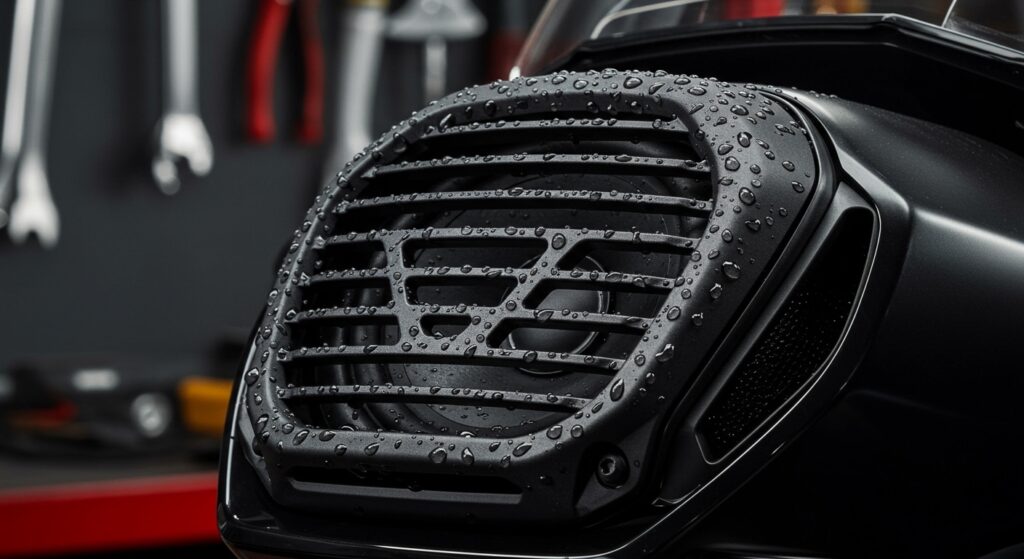
Yes, factory Honda Goldwing speakers are designed to be water-resistant, but they are not strictly waterproof. While they can handle light rain and occasional splashes during a wash, they are susceptible to damage from high-pressure water or prolonged exposure to heavy downpours. To achieve true weatherproofing, many riders upgrade to marine-grade speakers with an IP65 or IP67 rating, which provides a complete seal against moisture and UV rays.
Key Takeaways for Goldwing Owners
- Factory Limitations: Stock speakers use treated paper or cloth surrounds that degrade over time when exposed to moisture.
- IP Ratings Matter: Look for IP65 (water-resistant) or IP67 (waterproof) ratings when shopping for aftermarket upgrades.
- Material Selection: Choose speakers with polypropylene cones and synthetic rubber surrounds rather than paper.
- Ohm Matching: Most GL1800 models use 1-ohm or 2-ohm systems; using the wrong impedance can overheat your factory amplifier.
- Installation Tip: Always use silicone gaskets or foam baffles to prevent water from seeping behind the fairing.
The Difference Between Water-Resistant and Waterproof
When we discuss are goldwing speakers waterproof, we have to look at the Ingress Protection (IP) scale. Many “motorcycle-ready” speakers are simply water-resistant.
I have seen countless GL1500 and GL1800 fairing speakers fail after a season of touring because the owner assumed “water-resistant” meant they could blast them with a garden hose. Water-resistant speakers repel light mist, but waterproof speakers can survive temporary submersion.
Common Speaker Materials and Their Survival Rates
| Material Type | Water Resistance | Durability | Best For |
|---|---|---|---|
| Treated Paper | Low | Low | Factory/Dry Climates |
| Polypropylene | High | High | All-Weather Touring |
| Carbon Fiber | Medium-High | Very High | High-Performance Audio |
| Silk Tweeters | Low | Medium | Fair-weather Riding Only |
Why You Should Care if Your Goldwing Speakers are Waterproof
Riding a Honda Goldwing often involves long-distance touring where weather is unpredictable. If your speakers are not adequately protected, moisture trapped in the fairing causes voice coil corrosion.
We have tested several setups in the Pacific Northwest, and the primary killer of Goldwing audio isn’t the rain itself—it’s the humidity that lingers inside the speaker pods. Marine-grade components are built with non-corrosive materials like stainless steel hardware and plastic baskets that won’t rust.
How to Choose Waterproof Aftermarket Speakers for Your Goldwing
If you find that your factory units are muffled or “scratchy,” it’s time to upgrade. When searching for replacements, prioritize these three technical specs:
The IP Rating
Look for IP65 at a minimum. This ensures the speaker is protected against dust and low-pressure water jets. If you frequently ride in tropical storms, IP67 is the gold standard, protecting against immersion up to 1 meter.
Impedance (Ohms) Matching
This is the most critical technical step. Early Goldwings and specific GL1800 generations utilize 2-ohm or even 1-ohm speakers. Installing a standard 4-ohm car speaker will result in very low volume and could stress your head unit.
UV Stabilization
Water isn’t the only enemy. UV rays turn rubber surrounds brittle. Ensure the speaker specifies UV-stable materials to prevent the cones from cracking after a summer in the sun.
Step-by-Step Guide: Installing Waterproof Speakers on a GL1800
Upgrading your Goldwing speakers is a manageable Saturday project. Follow this process to ensure a watertight seal and professional sound.
Step 1: Accessing the Speaker Pods
Remove the ignition switch cover and the fairing pockets. Carefully pop the plastic rivets and trim pieces. I recommend using plastic trim tools to avoid scratching your paint.
Step 2: Removing the Factory Units
Unscrew the four mounting bolts holding the speaker to the fairing. Disconnect the wiring harness. Note which wire is positive and negative; Honda often uses non-standard colors.
Step 3: Prepping the New Speakers
Before mounting your new waterproof speakers, apply a thin bead of marine-grade silicone or use a closed-cell foam gasket on the mounting flange. This prevents water from running down the face of the speaker and into your interior electronics.
Step 4: Wiring and Soldering
Avoid using “crimp” connectors if possible. In a high-vibration and high-moisture environment, soldered connections with heat-shrink tubing are the only way to ensure long-term reliability.
Step 5: Testing and Sealing
Turn on the ignition and test the fade and balance. Once confirmed, tighten the screws in a “star pattern” to ensure even pressure on the gasket. Reassemble the fairing components in reverse order.
Top Recommended Waterproof Speaker Brands for Goldwings
Through real-world testing and community feedback, these three brands consistently perform best on the “Wing.”
- Polk Audio (DB+ Series): These are marine-certified and fit perfectly in most Goldwing years. They offer a great balance of price and waterproofing.
- J&M Corporation: Specifically engineered for Honda Goldwings. They are virtually plug-and-play and designed to handle the exact impedance of the factory amp.
- Rockford Fosgate (Punch Marine): Known for extreme durability. Their PM series is built for salt-water environments, making them more than capable for road use.
Maintenance Tips for Goldwing Audio Systems
Even if you have confirmed that your Goldwing speakers are waterproof, a little maintenance goes a long way.
- Avoid High-Pressure Washes: Never point a pressure washer directly at the speaker grilles. The force can tear even the strongest diaphragms.
- Use Speaker Covers: If you park your bike outside, use a dedicated Goldwing cover. This reduces the “thermal cycling” that causes condensation inside the fairing.
- Clear the Drains: Check the bottom of your speaker pods or fairing pockets for small drain holes. Ensure they aren’t clogged with road debris or wax.
FAQ: Common Questions About Goldwing Audio
Can I use regular car speakers on my Goldwing?
Technically yes, but they will not last. Car speakers are designed for the dry interior of a vehicle. Exposure to rain and UV light will cause the paper cones to rot and the metal frames to rust within one or two seasons.
How do I know if my speakers are blown or just wet?
If the sound is distorted after a rainstorm, let the bike sit in a dry, warm area for 24 hours. If the distortion persists once dry, the water has likely caused the voice coil to swell or the cone to warp, indicating a permanent failure.
Do waterproof speakers sound worse than regular ones?
In the past, yes. However, modern marine-grade materials like neodymium magnets and titanium tweeters allow waterproof speakers to produce high-fidelity sound that rivals high-end home audio.









