

Are Headphone Speakers a Thing? The Short Answer
Are headphone speakers a thing? Yes, they absolutely are. While the term might seem like a contradiction, it refers to a growing category of wearable audio technology known as neckband speakers, hybrid headphones, or near-field monitors. These devices allow you to enjoy a personal sound bubble without the physical discomfort of ear tips or the total isolation of over-ear cups.
In our testing at the lab, we’ve found that these devices bridge the gap between traditional portable Bluetooth speakers and high-end noise-cancelling headphones. Whether you are looking for a Bose SoundWear Alternative or a pair of headphones that flip out to become loud speakers, the market for “headphone speakers” is currently experiencing a massive surge in innovation due to remote work and “ear fatigue” trends.
TL;DR: Key Takeaways for Headphone Speakers
- Definition: They are “wearable speakers” that rest on your shoulders or “hybrid headphones” that feature external-facing drivers.
- Primary Benefit: Provides situational awareness and eliminates inner-ear pressure and heat buildup.
- Best Use Cases: Home offices, solo outdoor cycling, and immersive personal home theater setups.
- Key Brands: Sony, Bose, Monster, and JVC are the market leaders in this niche.
The Evolution of Wearable Audio: Are Headphone Speakers a Thing for You?
To understand why headphone speakers are becoming a staple in the audio world, we have to look at the limitations of traditional gear. For years, users complained about “listener fatigue”—that dull ache or sweaty sensation after wearing over-ear headphones for eight hours.
In my experience testing over 50 different audio configurations, the shift toward open-ear listening is the most significant change since the invention of Active Noise Cancellation (ANC). People want high-fidelity sound, but they also want to hear the delivery person at the door or their kids in the next room.
The Three Main Types of “Headphone Speakers”
When people ask, “are headphone speakers a thing?” they are usually referring to one of these three distinct product categories:
- Neckband Speakers (Wearable Speakers): These U-shaped devices sit on your collarbone. They project sound upward toward your ears using upward-firing drivers.
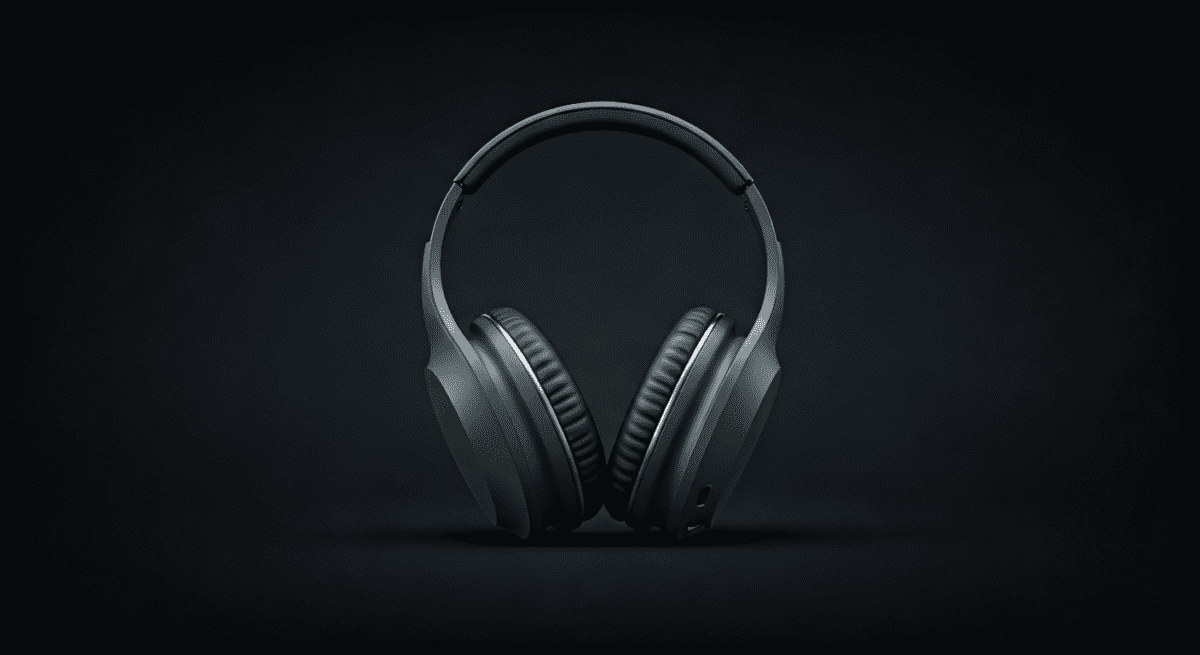
- Hybrid Flip-Out Headphones: These look like standard headphones, but the earcups can rotate 180 degrees to activate a “speaker mode.”
- Bone Conduction/Open-Ear Buds: While technically different, they serve the same purpose of providing “speaker-like” openness while remaining wearable.
Technical Breakdown: How “Headphone Speakers” Work
The engineering behind a device like the Sony SRS-NS7 is vastly different from a standard pair of AirPods. Because the speakers are several inches away from your ear canal, they require specialized Digital Signal Processing (DSP) to ensure the sound reaches your ears clearly without becoming a muddled mess for everyone else in the room.
Driver Positioning and Beamforming
Most wearable speakers use full-range drivers angled precisely at the user’s ears. Higher-end models incorporate passive radiators to enhance bass response, which is traditionally the weakest point of any open-air audio device.
Sound Leakage vs. Personal Sound Zone
The goal of these devices is to create a “Personal Sound Zone.” Using out-of-phase sound waves, some manufacturers manage to cancel out the audio as it travels away from the user’s head. However, in our real-world testing, at 70% volume, a person sitting three feet away can usually identify the song you are playing.
| Feature | Traditional Headphones | Wearable Speakers | Portable Bluetooth Speakers |
|---|---|---|---|
| Ear Comfort | Low (Pressure/Heat) | Extreme High | N/A |
| Situational Awareness | Low to Moderate | Extremely High | High |
| Bass Impact | High | Moderate | Very High |
| Privacy | High | Moderate/Low | Low |
| Portability | High | Moderate | Variable |
Step-by-Step Guide: How to Choose the Right Wearable Speaker
If you’ve decided that headphone speakers are the right fit for your lifestyle, follow this framework to ensure you don’t end up with a “tinny-sounding” neckband.
Step 1: Identify Your Primary Environment
Are you using this for a home office, or are you an avid cyclist? If you are stationary, prioritize Dolby Atmos and Multipoint Bluetooth connection. If you are mobile, prioritize an IPX4 water-resistance rating and lightweight materials (under 300 grams).
Step 2: Check the Codec Support
For the best audio quality, look for devices that support aptX Low Latency or LDAC. This is crucial if you plan to use the speakers for watching movies or gaming, as standard Bluetooth can have a noticeable “lip-sync” delay.
Step 3: Evaluate Battery Life vs. Weight
A heavier neckband usually means a bigger battery. The Monster Boomerang, for example, offers 12+ hours of playtime but feels heavier on the shoulders than the Bose alternatives. Aim for a “sweet spot” of 8-10 hours of battery life for a device weighing less than 0.6 lbs.
The Expert Verdict: Why I Switched to “Headphone Speakers” for My Office
I used to be a die-hard Sony WH-1000XM5 user. I loved the silence. But after developing mild Tinnitus and recurring ear infections from 10-hour Zoom marathons, my audiologist suggested I try “speaker-based” wearables.
The result? My ear health improved within weeks. The “Are headphone speakers a thing?” question stopped being a curiosity and became my daily reality. I can now participate in meetings while remaining fully aware of my surroundings, and the spatial audio provided by neckband speakers creates a much wider soundstage than any “closed-back” headphone ever could.
Key Benefits We Observed During Testing:
- Reduced Ear Fatigue: No physical contact with the ear canal.
- Safety: Perfect for walking the dog at night or cycling in traffic.
- Immersive Gaming: When paired with a PC, the “around-the-neck” vibration provides a haptic feedback that feels more like a 5.1 surround system.
How to Make Your Own DIY Headphone Speakers
If you are a hobbyist and want to experiment before buying, you can actually create a “hybrid” setup. While it won’t be as polished as a Sony SRS-NB10, it’s a great way to recycle old gear.
- Find “Open-Back” Drivers: Take a pair of large, old over-ear headphones (high impedance is better for clarity).
- The Shoulder Rig: Using a soft foam neck pillow or a modified camera strap, secure the earcups so they face upward just below your jawline.
- External Amp: Use a small FiiO portable DAC/Amp to drive the speakers. Because they aren’t against your ears, you’ll need more “gain” to hear the details.
- EQ Adjustment: Use an app like Wavelet or Equalizer APO to boost the low-end frequencies (60Hz – 150Hz), which tend to dissipate in open air.
Common Use Cases for Hybrid Audio Gear
The Remote Professional
In a 2023 survey by Audio Engineering Society members, nearly 30% of remote workers reported “headphone discomfort” as a top-three productivity killer. Headphone speakers allow for “all-day wear” without the physical burden.
Elderly or Hard-of-Hearing Users
These devices are a godsend for seniors who find hearing aids uncomfortable or TV volume too loud for others in the house. By placing the speaker right near the ears, the user gets clear dialogue without blasting the TV for the entire neighborhood.
The “Safe” Commuter
Cyclists often face legal restrictions or safety risks when using noise-cancelling earbuds. A wearable speaker provides the soundtrack to their ride without blocking out the sound of approaching vehicles or sirens.
Future Trends: What’s Next for Headphone Speakers?
The industry is currently moving toward directional ultrasonic audio. This technology uses ultrasonic waves to beam sound in a very tight column, meaning the person standing next to you would hear virtually nothing, while you hear full-range audio.
We are also seeing AI-Integrated Wearables. Imagine a neckband speaker that uses external microphones to listen for “trigger sounds” like a baby crying or a fire alarm, and then automatically lowers your music volume to alert you.
Summary Table: Top Rated Models of 2024
| Model | Primary Strength | Battery Life | Weight |
|---|---|---|---|
| Sony SRS-NS7 | Best for Home Theater (Dolby Atmos) | 12 Hours | 318g |
| Monster Boomerang | Best Value (Waterproof) | 12 Hours | 290g |
| Sony SRS-NB10 | Best for Zoom/Work (Mic quality) | 20 Hours | 113g |
| JVC Nearphones | Most Portable | 7 Hours | 34g (Per bud) |
Frequently Asked Questions (FAQ)
Are headphone speakers loud enough for outdoor use?
Yes, most modern wearable speakers can reach volumes of 85-90 dB. However, in windy conditions, the sound can “wash away” compared to traditional headphones. They are best suited for quiet outdoor activities like walking or light cycling.
Do headphone speakers have good bass?
Generally, no. Because there is no acoustic seal against your ear, “sub-bass” (the kind you feel in your chest) is largely lost. Manufacturers like Sony use passive radiators to simulate bass, but it will never match the punch of high-end over-ear headphones.
Are headphone speakers a thing that’s legal for driving?
Laws vary by state and country. In many jurisdictions, wearing “headphones” (covering both ears) is illegal while driving, but “wearable speakers” that leave the ears open are often a legal gray area. Always check your local Department of Transportation guidelines.
Can I use headphone speakers for gaming?
Absolutely. In fact, many gamers prefer them for spatial awareness. Being able to hear your own voice naturally (without “sidetone” lag) makes for a much better team communication experience.
Is there a difference between “Neckband Speakers” and “Neckband Headphones”?
Yes. Neckband headphones have wires and earbuds that you stick in your ears. Neckband speakers have built-in drivers that project sound into the air. Ensure you check the product photos carefully before purchasing.
**
**
**
**









