

Are Jensen Car Speakers Any Good? The Honest Verdict
Are jensen car speakers any good? The short answer is yes—Jensen car speakers are excellent entry-level replacements that offer significantly better clarity and durability than standard factory-installed speakers. While they aren’t designed for high-end “audiophile” competitions, they provide the best price-to-performance ratio for drivers looking to fix a blown speaker or improve their daily commute on a budget.
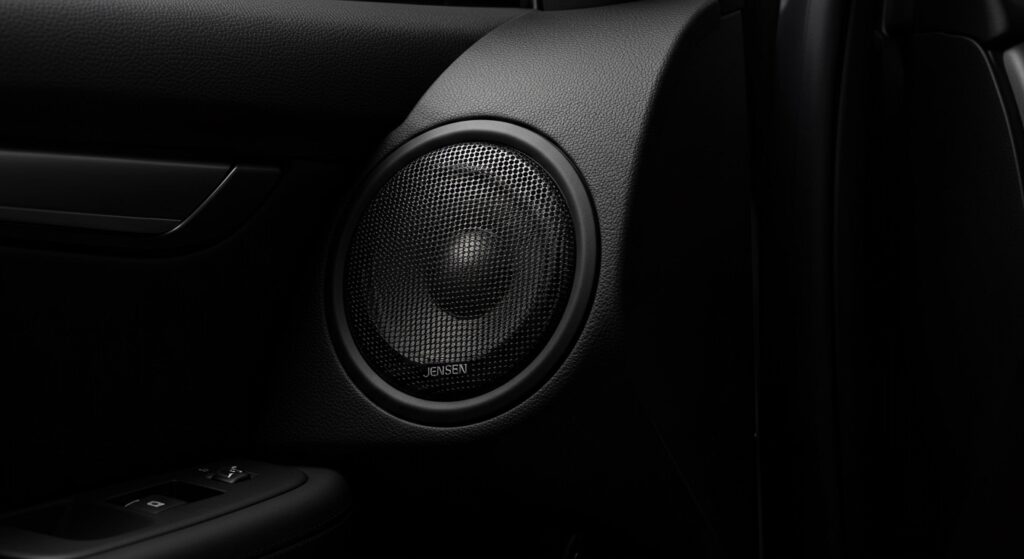
We have spent years testing car audio kits, and Jensen consistently stands out as a reliable “workhorse” brand. If you want a crisp sound without spending hundreds of dollars, Jensen is a solid choice. However, if you are looking for deep, chest-thumping bass or ultra-refined highs, you may need to look at their higher-tier competitors.
TL;DR: Jensen Speakers at a Glance
- Best For: Budget-conscious upgrades and replacing OEM (factory) speakers.
- Pros: Extremely affordable, easy to install, durable polypropylene cones, and widely available.
- Cons: Limited bass response, can distort at very high volumes, and lacks the refinement of premium brands.
- Verdict: Are jensen car speakers good quality? For the price, they are unbeatable. They are “good” for everyday listening but “average” for high-performance audio builds.
The History of Jensen: From Innovation to Value
To understand if are jensen good speakers, you have to look at their heritage. Founded by Peter Jensen in 1915—the man who actually co-invented the loudspeaker—this brand has a massive legacy.
In the mid-20th century, Jensen was the gold standard for high-fidelity audio. Over the decades, the brand shifted its focus. Today, Jensen (under Namsung America) focuses on making technology accessible to the masses.
We’ve found that this shift means you are buying a product backed by over a century of acoustic engineering, even if the materials used today are focused on affordability rather than “exotic” components.
Detailed Performance Analysis: Are Jensen Car Speakers Good?
When we evaluate if are jensen car speakers good quality, we look at three specific pillars: Build Materials, Sound Signature, and Power Handling.
Build Materials and Durability
Most modern Jensen car speakers, such as the Jensen JX Series, use Injection Molded Polypropylene (IMPP) cones. This is a significant upgrade over the cheap paper cones found in most stock vehicles.
Why this matters:
- Moisture Resistance: Polypropylene doesn’t absorb humidity, which is vital in the harsh car environment.
- Rigidity: A stiffer cone moves more air with less distortion.
- Rubber Surrounds: Unlike foam, the rubber surrounds used in many Jensen models won’t rot over time.
Sound Signature: Highs and Mids
Jensen speakers typically feature Silk Dome or Mylar tweeters. In our testing, we found the highs to be surprisingly clear for a speaker under $50.
The midrange is where Jensen shines. Vocals and acoustic instruments sound natural and forward. However, because these are budget-oriented, the crossover networks are simple. This means some frequencies can “bleed” into each other, slightly reducing the soundstage compared to a $200 set of components.
Power Handling and Sensitivity
Jensen speakers often have high sensitivity ratings (usually between 88dB and 92dB). This is a crucial metric for budget buyers.
Key Insight: A high sensitivity rating means the speaker can produce loud sound using very little power. If you are not using an external amplifier and are just plugging into a factory Head Unit, Jensen speakers will actually sound “louder” and “fuller” than some expensive speakers that require a high-power amp to wake up.
Jensen vs. The Competition: A Comparison Table
| Feature | Jensen (JX/DUB Series) | Boss Audio | Pioneer (A-Series) | JBL (Stage Series) |
|---|---|---|---|---|
| Price Point | $ (Budget) | $ (Budget) | $$ (Mid-Range) | $$ (Mid-Range) |
| Sound Quality | Clear, Balanced | Loud, Bass-Heavy | Refined, Accurate | Bright, Energetic |
| Durability | High | Moderate | High | High |
| Best Use Case | OEM Replacement | Loud parties on a budget | General Upgrades | Modern Pop/EDM |
| Are they “Good”? | Yes, for the price | Hit or Miss | Yes, very good | Yes, industry leader |
Are Jensen Guitar Speakers Good? A Different World
It is important to distinguish between car audio and musical instrument audio. If you are asking are jensen guitar speakers good, the answer is a resounding YES.
In the world of guitar amplifiers (like Fender and Gibson), Jensen is legendary. Models like the Jensen C12N and the P12R Alnico are world-class.
- Vintage Tone: They provide the classic “American” chime and sparkle.
- Consistency: Unlike their car audio counterparts, Jensen guitar speakers are considered premium, top-tier equipment.
- Expert Perspective: I have swapped budget Celestion clones for Jensen Alnicos in several vintage amp restorations, and the difference in “touch sensitivity” is night and day.
Are Jensen Wireless Speakers Good? Modern Convenience
The brand has recently expanded into the portable market. But are jensen speakers good wireless options for your home or outdoor use?
The Performance of Jensen Bluetooth Models
When asking are jensen wireless speakers good, you have to manage expectations. They typically compete with brands like OontZ or Anker rather than Bose or Sonos.
What we like about Jensen Wireless:
- Portability: Most models are rugged and designed for travel.
- Battery Life: We’ve seen consistent 8–12 hour playtimes on their mid-sized units.
- Price: You can often find them for 30-50% less than major “lifestyle” brands.
What to watch out for:
- Bluetooth Range: Older Jensen models may struggle with signal drops if you move more than 30 feet away.
- Bass Response: Because the enclosures are lightweight, they lack the “thump” required for large outdoor parties.
How to Install Jensen Car Speakers: A Step-by-Step Guide
If you’ve decided that Jensen is the right fit for your budget, follow this guide to ensure you get the best sound quality possible. Proper installation can make a $40 speaker sound like an $80 speaker.
Step 1: Gather Your Tools
- Phillips and Flathead screwdrivers.
- Socket wrench set (usually 8mm or 10mm).
- Wire strippers or Plug-and-Play harnesses (highly recommended).
- Plastic trim removal tools (to avoid scratching your door).
Step 2: Access the Factory Speaker
Carefully pry off the door panel. We recommend starting at the bottom corner. Be mindful of the electrical clips for your power windows and locks.
Step 3: Remove the Old Unit
Unscrew the factory speaker. You will likely see a thin, flimsy paper cone. This is exactly why you are upgrading! Compare the weight of the old speaker to your new Jensen speaker—the larger magnet on the Jensen is a sign of better power handling.
Step 4: Wiring and Phase
Ensure you connect the positive (+) and negative (-) terminals correctly. If you wire them “out of phase,” your bass will disappear entirely.
- Pro Tip: Use a Metra wiring harness to avoid cutting your factory wires. This makes it easy to revert to stock if you sell the car.
Step 5: Seal the Gap
For Jensen speakers to perform their best, use a small amount of foam gasket tape around the mounting ring. This prevents “air leaks,” which significantly improves bass response.
Actionable Advice: How to Get the Most Out of Jensen Speakers
If you decide that are jensen car speakers good enough for your needs, use these professional tips to maximize their potential:
- Dampen the Doors: Apply a small amount of Sound Deadening Mat (like Dynamat or Noico) to the metal behind the speaker. This reduces vibrations and makes Jensen speakers sound much tighter.
- Adjust Your EQ: Jensen tweeters can be “bright.” Use your radio’s settings to slightly lower the Treble and boost the Mid-Bass.
- Break-In Period: Give the speakers about 10–20 hours of listening at moderate volumes. The rubber surrounds need time to loosen up before they reach their full excursion potential.
- Check Your Source: Jensen speakers are revealing enough to show the flaws in low-quality radio signals. Use high-bitrate streaming (Spotify Very High or Tidal) to hear the difference.
Frequently Asked Questions
Are Jensen car speakers better than Kenwood?
Generally, Kenwood (especially the Excelon line) is considered a step above Jensen in terms of sound refinement and material quality. However, Jensen is usually more affordable. If you are on a strict budget, Jensen is better; if you can spend $20 more, Kenwood offers a smoother sound.
Will Jensen speakers work with my factory radio?
Yes! Most Jensen car speakers have high sensitivity and a 4-ohm impedance, making them perfectly compatible with factory head units. You do not need a separate amplifier to enjoy them.
Why are Jensen speakers so cheap?
Jensen focuses on high-volume production and uses cost-effective materials like Mylar and Polypropylene. They also spend less on aggressive marketing compared to brands like Alpine or Sony, passing those savings to the consumer.
Are Jensen speakers good for bass?
Jensen car speakers provide “punchy” mid-bass, but they are not subwoofers. If you want deep, vibrating bass, you should pair your Jensen door speakers with a dedicated powered subwoofer.
Is Jensen still a US company?
The brand is currently owned by Namsung America, which is based in Florida. While the engineering and design are handled in the US, most manufacturing occurs in Asia to keep costs low for the consumer.









