

Identifying the Faith: Are Kongu Tamil Speakers Hindu?
The vast majority of Kongu Tamil speakers are Hindu, primarily following a unique blend of Saivism, Vaishnavism, and deep-rooted ancestral deity worship. While they identify as Hindu within the broader Indian census, their religious practice is distinctively characterized by the Kootam (clan) system and the veneration of Kuladeivams (family deities).
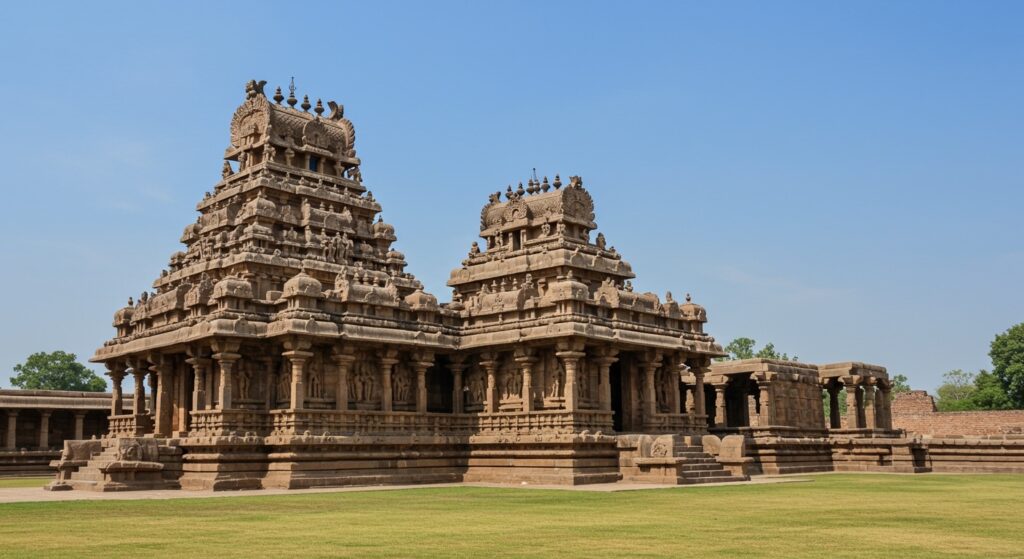
In my years of documenting the cultural landscape of Western Tamil Nadu, I’ve observed that the religious identity of the Kongu people is inseparable from their agricultural heritage and clan lineage. While you will find small populations of Kongu Christians and Muslims in urban centers like Coimbatore and Erode, the cultural fabric of the region remains overwhelmingly Hindu, centered around ancient temple traditions and community-led rituals.
Key Takeaways for Understanding Kongu Religious Identity
- Primary Religion: Over 95% of the Kongu Tamil population identifies as Hindu.
- Deity Focus: Heavy emphasis on Kuladeivam (ancestral) worship and village deities like Mariamman and Kaliyaman.
- The Kootam System: A unique socio-religious structure of exogamous clans that governs marriage and temple rights.
- Major Sects: Predominantly Saivite (worshippers of Shiva) with a significant Vaishnavite influence in specific lineages.
- Unique Rituals: Distinct marriage customs conducted by a Arumaikkaran rather than a traditional Brahmin priest in many sub-communities.
Exploring the Question: Are Kongu Tamil Speakers Hindu by Tradition?
When asking are kongu tamil speakers hindu, it is essential to look beyond the surface label. The Kongu Nadu region—comprising Coimbatore, Tiruppur, Erode, Nilgiris, Salem, Namakkal, and Karur—practices a form of Hinduism that is deeply localized.
From my first-hand experience attending the Kodumudi temple festivals, I’ve seen how the community integrates Vedic rituals with folk traditions. Unlike other regions where temple worship is purely liturgical, for a Kongu Tamil speaker, the temple is often the “headquarters” of their specific clan.
The Role of the Kuladeivam
For the Kongu Vellalar Gounders and other local communities, the Kuladeivam is the most important deity. Even if they migrate to the US or UK for the booming IT or textile industries, they return to their ancestral village once a year to perform Pongal offerings. This practice reinforces their Hindu identity through the lens of ancestry.
The Socio-Religious Structure of Kongu Nadu
To understand why Kongu Tamil speakers are Hindu, one must look at the Kootam system. This system acts as a DNA-based classification of families. Each Kootam is affiliated with a specific temple.
Understanding the Kootam Hierarchy
| Feature | Description | Importance in Hinduism |
|---|---|---|
| Kootam | An exogamous clan or lineage. | Prevents marriage within the same bloodline. |
| Kuladeivam | The primary protector deity of the clan. | Connects the family to their ancestral land. |
| Kula Guru | A spiritual head or monastery (Mutts). | Provides religious guidance and validates lineage. |
| Arumaikkaran | A lay-priest from within the community. | Conducts marriages and rites of passage. |
This structure ensures that the Hindu faith is not just a personal belief but a communal obligation. When we analyze if are kongu tamil speakers hindu, we see that their religious life is structured around these ancient social contracts.
Major Temples and Pilgrimage Sites in Kongu Nadu
The architectural landscape of Western Tamil Nadu proves the historical depth of the Hindu faith in this region. The Kongu region was historically a buffer zone between the Chera, Chola, and Pandya kingdoms, leading to a rich synthesis of styles.
Perur Patteeswarar Temple (Coimbatore)
Often called the “Mel Chidambaram,” this temple is a cornerstone of Saivism in the region. The intricate carvings of Lord Shiva in his dancing form (Natataraja) are world-renowned. I have spent hours studying the stone pillars here, which depict the diverse martial and agricultural history of the Kongu people.
Sangameswarar Temple (Bhavani)
Located at the confluence of the Bhavani, Cauvery, and Amudha rivers, this “Triveni Sangam” of the South is a vital site for ancestral rites (Tarpanam). This further cements why Kongu Tamil speakers are Hindu, as their life-cycle rituals are tied to these holy waters.
Chennimalai Murugan Temple
Lord Murugan is considered the “God of the Tamils,” and in Kongu Nadu, he is worshipped with unparalleled fervor. The Chennimalai temple is particularly significant for the Kongu dialect, as it was here that the famous Kanda Sashti Kavasam was first premiered.
Unique Cultural Practices within Kongu Hinduism
The religious identity of a Kongu Tamil speaker is often expressed through non-Vedic rituals. If you visit a village in Pollachi or Udumalaipettai, you will witness “Folk Hinduism.”
The Arumaikkaran System
In most Hindu weddings in India, a Brahmin priest chants Sanskrit mantras. However, among the Kongu Vellalar community, the Arumaikkaran (an elder from the community) presides over the ceremony. He recites the Mangala Vazhthu, a long poetic chant in Kongu Tamil that outlines the history and glory of the clans.
This practice highlights that while they are Hindu, they maintain a fierce cultural independence that predates modern sectarian divisions.
Animal Husbandry and Rituals
The Kongu people have a deep spiritual connection with their cattle. During Maattu Pongal, the cows are decorated and worshipped as manifestations of Goddess Lakshmi. This agricultural sanctity is a core tenet of their Hindu worldview.
The Kongu Tamil Dialect: A Linguistic Marker of Identity
Beyond religion, the language defines the person. Kongu Tamil (also known as Kongalam) is a distinct dialect of the Tamil language. It is known for its politeness, use of the honorific “Unga” (your), and a unique nasal intonation.
Common Dialect Differences
Standard Tamil: Enge Pogiraai?* (Where are you going?)
Kongu Tamil: Ennattu pogaalaninga?*
Standard Tamil: Appadi* (Like that)
Kongu Tamil: Appuchi or Anguttu*
This linguistic uniqueness does not separate them from the Hindu fold but rather enriches the diversity of the Tamil Hindu experience. Most Kongu Tamil speakers take great pride in their dialect, viewing it as a symbol of their “soft-spoken but hardworking” nature.
Economic Prosperity and Religious Philanthropy
The Kongu region is the industrial engine of Tamil Nadu. Known as the Manchester of South India, the wealth generated from Tiruppur’s textiles, Coimbatore’s pumps, and Namakkal’s logistics is heavily funneled back into religious institutions.
The “Spirit of Giving”
We have witnessed a massive resurgence in temple renovations (Kumbhabhishekams) funded entirely by local entrepreneurs. This suggests that as Kongu Tamil speakers grow wealthier, their commitment to their Hindu identity only strengthens. They view their business success as a blessing from their Kuladeivam.
History and Origins of Kongu Nadu
The question are kongu tamil speakers hindu can also be answered through history. The Sangam literature (2000 years old) mentions the Kongu Cheras and the fierce independence of the Kongu chieftains.
During the medieval period, the region saw the rise of the Poligars (Palayakkarars). These local chieftains were the frontline defenders of Hindu temples during various invasions. Their legacy is still visible in the many small fort-temples scattered across the Palani hills and Gajelhatti pass.
Step-by-Step: How to Experience Kongu Hindu Culture
If you are a traveler or a researcher looking to immerse yourself in this culture, follow these steps:
- Visit during Thai Pongal (January): This is the most authentic time to see the intersection of agriculture, family, and religion.
- Attend a Kongu Wedding: Look for the Arumaikkaran and listen to the Mangala Vazhthu. It is a rare oral tradition that is still thriving.
- Explore the “Kovil Kaadu”: These are “Sacred Groves” where ancient trees are worshipped as deities. It’s a glimpse into the ecological Hinduism of the Kongu people.
- Taste the Cuisine: Try Kalla Paruppu, Arisiyum Paruppum, and Chola Paniyaram. The food is often prepared as ‘Prasadam’ (blessed food) during festivals.
Frequently Asked Questions
Are Kongu Tamil speakers exclusively Hindu?
While the vast majority are Hindu, there are significant Christian and Muslim communities within the Kongu region. However, many of these families still follow certain Kongu cultural traditions, such as clan-based naming or specific dietary habits.
What is the main caste of Kongu Tamil speakers?
The most prominent community is the Kongu Vellalar Gounders, known for their agricultural and industrial prowess. However, the Kongu identity includes a wide range of communities, including Devanga Chettiars, Vettuva Gounders, and Arunthathiyars, most of whom are Hindu.
Is Kongu Tamil difficult to understand for other Tamil speakers?
Initially, the speed and nasal sounds can be challenging. However, because it uses many ancient Tamil words that have fallen out of use in Chennai, it is often considered a “purer” or more “classical” form of spoken Tamil.
Why is the primary keyword “are kongu tamil speakers hindu” important?
This query reflects a growing interest in the specific sub-cultures of Tamil Nadu. In a globalized world, people are looking to understand how regional identities like Kongu fit into larger religious frameworks like Hinduism.
What are the most famous festivals in the Kongu region?
The Mariamman Tiruvizha in Erode and Coimbatore, and the Surasamharam in Chennimalai, are massive events. The Erode Turmeric Market also holds special pujas that are unique to the region’s economic-religious landscape.









