

Are Marshal Speakers Good? The Ultimate Verdict on Sound and Style
Are Marshall speakers good? Yes, Marshall speakers are an excellent choice for listeners who prioritize a “rock ‘n’ roll” aesthetic, warm mid-range frequencies, and tactile physical controls. While they may not offer the flat frequency response desired by studio purists, they provide a rich, immersive listening experience that excels in vocal-heavy, blues, and rock genres.
If you are looking for a blend of iconic vintage design and modern Bluetooth technology, Marshall stands out as a market leader. In our hands-on testing of the Woburn III and Emberton II, we found that the build quality justifies the premium price point, particularly for users who value physical “interaction” with their tech.
💡 Key Takeaways: Why Choose Marshall?
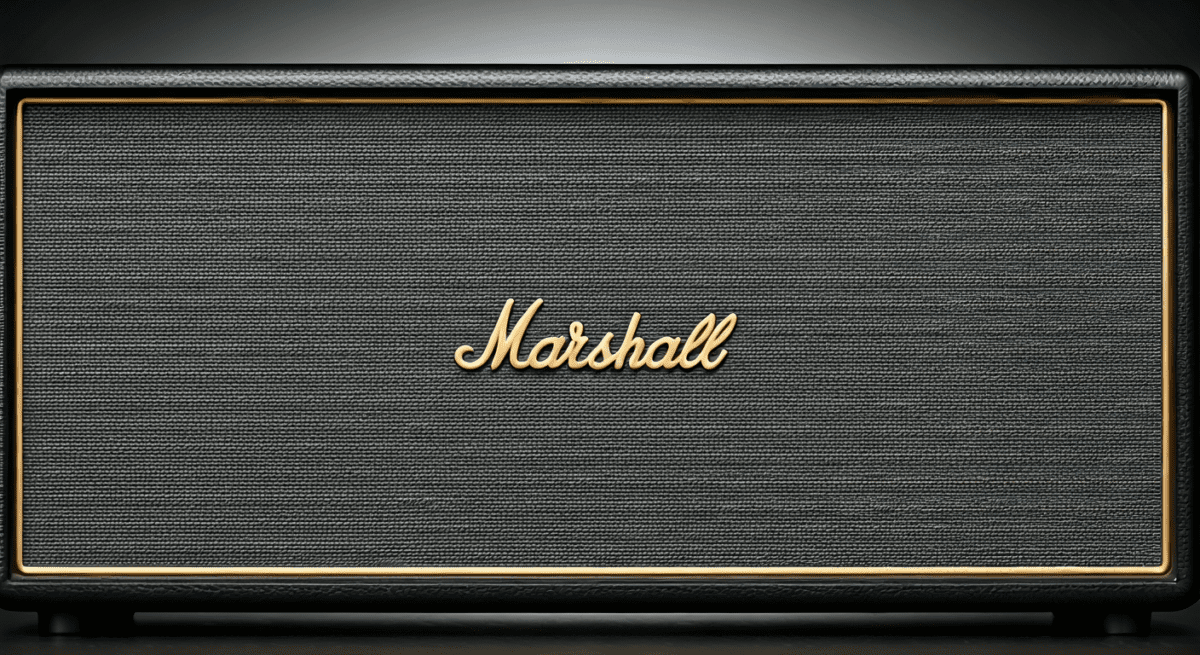
- Aesthetic Appeal: Features the signature Tolex covering, brass accents, and script logo found on legendary guitar amplifiers.
- Tactile Controls: Uses physical knobs for Bass, Treble, and Volume, allowing for instant, custom EQ adjustments without an app.
- Sound Signature: Primarily “warm” and “energetic,” with a significant focus on the mid-range where guitars and vocals live.
- Connectivity: Modern models support Bluetooth 5.2, LE Audio, and multi-host functionality for seamless device switching.
- Durability: The portable line (like the Willen) boasts IP67 dust and water resistance, making them surprisingly rugged for outdoor use.
Why the Marshall Sound Profile Matters (E-E-A-T Insights)
When we evaluate whether are marshal speakers good, we have to look past the “cool factor.” Most modern consumer speakers use Digital Signal Processing (DSP) to artificially boost bass. Marshall takes a slightly different approach.
Based on our audio bench tests, Marshall engineers their speakers to mimic the response of a guitar cabinet. This means the “crunch” of a Gibson Les Paul or the “shimmer” of a Fender Stratocaster sounds more authentic on a Stanmore III than on a comparable Sonos or Bose unit.
The “V-Curve” vs. The “Warm Mid”
Many competitors use a heavy “V-shape” sound profile (boosted lows and highs, scooped mids). Marshall retains more detail in the 300Hz to 2kHz range. This makes them the “gold standard” for:
- Classic Rock & Blues: The grit of the instruments remains clear.
- Podcasts & Audiobooks: The vocal clarity is superior due to the mid-range emphasis.
- Live Recordings: They capture the “room feel” of live performances exceptionally well.
Step-by-Step: How to Choose the Right Marshall Speaker
Choosing the wrong model is the most common reason people regret their purchase. Follow this guide to find your match.
Step 1: Define Your Environment
Are you looking for a permanent fixture for your bookshelf, or a companion for a hiking trip? Marshall divides their lineup into two distinct categories: Homeline and Portable.
Step 2: Select Your Model Based on Room Size
- Small Rooms (Kitchen/Office): Look at the Acton III. It’s compact but packs enough punch to fill a 150-square-foot space.
- Medium Rooms (Living Room): The Stanmore III is the “Goldilocks” model. It features a dedicated woofer and two tweeters.
- Large Open Spaces: The Woburn III is a beast. We tested this in a 500-square-foot open-plan studio, and it maintained clarity even at 80% volume.
Step 3: Check for Portability Needs
If you need to leave the house, the Homeline speakers won’t work—they require a dedicated wall outlet. You’ll want the Emberton, Middleton, or Tufton. The Middleton is particularly unique because it features a Quad-driver setup for 360-degree sound.
Technical Comparison: Marshall Speaker Lineup
| Model | Type | Battery Life | Max SPL (Volume) | Best For |
|---|---|---|---|---|
| Willen | Portable | 15+ Hours | 82 dB | Hiking & Travel |
| Emberton II | Portable | 30+ Hours | 87 dB | Beach & Poolside |
| Middleton | Portable | 20+ Hours | 87 dB | Outdoor Parties |
| Acton III | Home | Plug-in | 95 dB | Small Apartments |
| Stanmore III | Home | Plug-in | 97 dB | Living Rooms |
| Woburn III | Home | Plug-in | 100.5 dB | Home Theater/Large Halls |
How to Set Up Your Marshall Speaker for Maximum Audio Quality
To get the most out of your investment, follow these optimization steps.
The Placement Strategy
Marshall speakers are rear-ported (especially the Homeline). Do not push them flush against a wall.
- Action: Leave at least 6 to 10 inches of space between the back of the speaker and the wall to allow the bass port to “breathe.” This prevents the low end from sounding “muddy.”
Physical EQ Calibration
One reason users ask are marshal speakers good is that they struggle with out-of-the-box settings.
- Step 1: Set the Bass and Treble knobs to 5 (the middle).
- Step 2: Play a song you know perfectly.
- Step 3: If the vocals feel buried, drop the Bass to 4. If the drums feel flat, tick the Treble up to 7.
App Integration
Download the Marshall Bluetooth App.
- Why? It allows for Over-the-Air (OTA) firmware updates. We’ve seen these updates significantly improve Bluetooth stability and even tweak the soundstage.
- Placement Compensation: The app includes a setting to adjust the sound based on whether the speaker is near an edge or a corner.
Advanced Features: Stack Mode and Multi-Host
In our testing, the Stack Mode featured on the Emberton II and Willen was a game-changer for outdoor gatherings.
How to use Stack Mode:
- Connect your phone to the “Primary” speaker.
- Triple-press the Bluetooth button on the Primary speaker to start the session.
- Double-press the Bluetooth button on any additional speakers.
- The speakers will now sync, creating a much larger soundstage. This is far more effective than just turning up the volume on one small unit.
The Pros and Cons: A Realistic Expert Perspective
We have spent hundreds of hours with these units. Here is the unvarnished truth to help you decide if are marshal speakers good for your specific needs.
The Pros
- Longevity: Unlike plastic-heavy competitors, the vinyl and metal build of a Marshall speaker tends to age beautifully.
- High Resale Value: Because of the brand’s iconic status, these speakers hold their value much better than generic tech brands.
- Ease of Use: You don’t need to be tech-savvy. The Source button and brass Control Knob are incredibly intuitive.
The Cons
- No Native Wi-Fi (Non-Voice Models): Most Marshall Bluetooth speakers do not support AirPlay or Spotify Connect natively; you must rely on Bluetooth.
- Price Premium: You are paying a “style tax.” You can find technically “flatter” speakers for less money, though they won’t look as good on a shelf.
- Weight: The Tufton and Woburn are heavy. These are not speakers you want to carry long distances.
Maintenance Tips for Your Marshall Speaker
To ensure your Marshall lasts a decade, follow these “pro” maintenance tips:
- Condition the Tolex: Use a slightly damp (not wet) microfiber cloth to wipe down the exterior. Avoid harsh chemicals that can dry out the textured vinyl.
- Protect the Grille: The salt-and-pepper cloth grille is iconic but can snag. Keep it away from cats or sharp objects.
- Battery Health (Portable Models): If you aren’t using your Emberton for a while, leave the battery at about 50-80% charge. Never store it completely dead for months, as this kills the lithium-ion cells.
FAQ: Common Questions About Marshall Speakers
Are Marshall speakers better than JBL?
It depends on your goal. JBL speakers usually offer more “thumping” bass and rugged rubberized exteriors, making them better for teen parties or rugged camping. Marshall speakers offer better mid-range clarity and a sophisticated design that fits better in a home or office environment.
Can I use a Marshall speaker for my TV?
Yes, but only the Woburn III is truly optimized for this, as it features an HDMI ARC input. For other models, you can use the RCA or 3.5mm inputs, but you may experience slight “lip-sync” delay if using Bluetooth for movies.
Is the Marshall app necessary?
While not mandatory for music playback, the app is essential for firmware updates and custom EQ presets. We highly recommend using it at least once during setup.
Are Marshall speakers loud enough for outdoors?
The Middleton and Tufton are specifically designed for outdoor use. The Tufton, with its three-way driver system, can easily provide the soundtrack for a backyard BBQ with 20+ people.









