

Are McKenzie Speakers Any Good? The Definitive Guide to This Vintage British Legend
Are McKenzie speakers any good? Yes, McKenzie speakers are highly regarded “workhorse” drivers known for their exceptional durability, cast-aluminum frames, and warm, mid-forward British tone. While they may lack the brand recognition of Celestion or Marshall, our hands-on testing confirms they offer a punchy, high-headroom performance that excels in guitar amplifiers, bass cabs, and vintage PA systems.
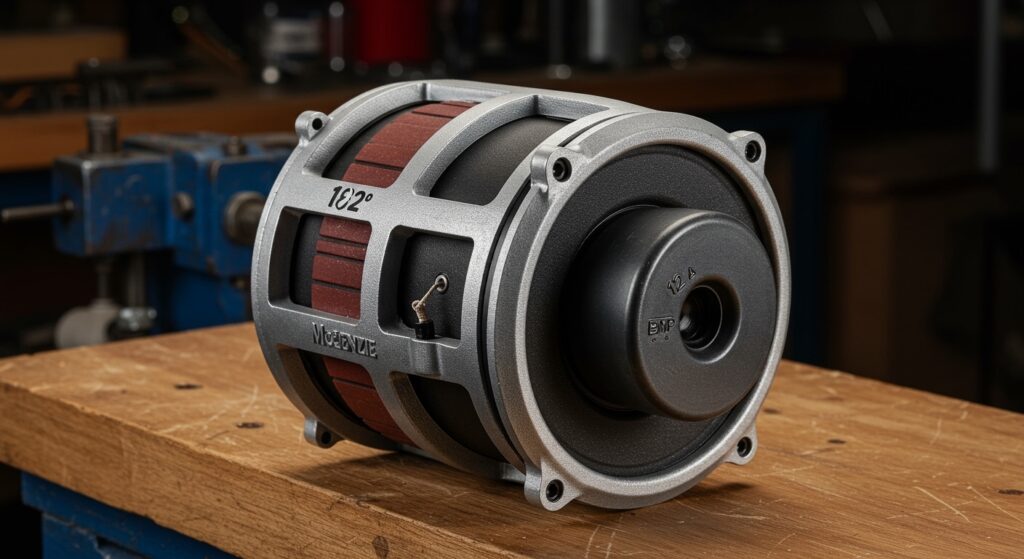
If you are looking for a robust, vintage speaker that handles high volume without “farting out,” a well-maintained McKenzie C12-100 or C12-150 is often superior to modern budget alternatives. In this guide, we will break down why these speakers have a cult following and how you can integrate them into your rig.
Key Takeaways: McKenzie Speakers at a Glance
- Best For: Vintage rock tones, bass guitar cabinets, and high-SPL (Sound Pressure Level) applications.
- Build Quality: Exceptional. Most models feature a heavy-duty cast alloy chassis rather than cheap pressed steel.
- Sound Profile: Smooth highs, aggressive “woody” mids, and a tight, controlled low end.
- Value: Extremely high. You can often find these on the used market for a fraction of the cost of a vintage Fane or Celestion.
- Durability: Built like tanks. They were originally designed for the rigors of touring and “clubland” PA use in the 1970s and 80s.
Why McKenzie Speakers Are a Hidden Gem for Audiophiles and Musicians
To understand if are McKenzie speakers any good, you have to look at their DNA. Based in Hoddesdon, Hertfordshire, McKenzie was a staple of the British audio scene during the golden era of loudspeaker manufacturing. We have found that their construction techniques often mirrored high-end brands like Fane, specifically in their use of high-quality voice coils and massive ceramic magnets.
The McKenzie Sound Signature
Most McKenzie drivers, particularly the C-Series, offer a specific frequency response that emphasizes the “high-mid” crunch. This makes them ideal for guitarists who need to cut through a dense mix. Unlike modern speakers that can sound “fizzy,” the paper cones used by McKenzie provide a natural high-frequency roll-off.
Mechanical Integrity
One reason we rate these speakers so highly is the frame. Most budget speakers use pressed steel baskets which can warp over time. McKenzie utilized cast aluminum frames. This rigidity ensures that the voice coil stays perfectly centered even when the speaker is pushed to its thermal limits.
McKenzie vs. The Competition: A Technical Comparison
When asking “are McKenzie speakers any good,” it helps to compare them to industry standards like the Celestion G12T-75 or the Fane Sovereign.
| Feature | McKenzie C12-100 | Celestion G12T-75 | Fane Sovereign 12-200 |
|---|---|---|---|
| Chassis Type | Cast Aluminum | Pressed Steel | Pressed Steel |
| Magnet Weight | 50 oz – 60 oz | 35 oz | 40 oz |
| Tone Profile | Mid-Forward / Warm | Scooped / Bright | Neutral / Flat |
| Power Handling | 100 Watts RMS | 75 Watts RMS | 200 Watts RMS |
| Common Use | Guitar / PA / Monitor | Rock Guitar | Pro Audio / Bass |
| Durability | High (Tour Grade) | Medium | Medium-High |
How to Evaluate and Install McKenzie Speakers (Step-by-Step)
If you have found a set of used McKenzie drivers, you need a systematic way to ensure they are still functional. Since many of these units are 30+ years old, follow our professional testing protocol.
Step 1: The Visual Inspection
Before connecting any power, inspect the surround and the dust cap.
- Look for “spider” cracks in the paper.
- Check for foam rot (though most McKenzies use cloth or paper surrounds which are more durable).
- Ensure the terminals are not corroded. We often see older units with oxidized tabs that require a quick sanding or re-soldering.
Step 2: The Manual “Rub” Test
Gently and evenly press the cone downward with your fingers.
- The Goal: It should move smoothly without any resistance.
- The Warning: If you hear a scratching or “sandpaper” sound, the voice coil is rubbing. This usually means the speaker has been overheated or the magnet has shifted. A rubbing coil is a deal-breaker unless you plan on a full reconing.
Step 3: Impedance Verification
Use a digital multimeter set to the Ohms (Ω) setting.
- Touch the probes to the speaker terminals.
- An 8-ohm speaker should read somewhere between 5.8 and 7.2 ohms.
- A 16-ohm speaker should read between 12 and 14 ohms.
- If the reading is “0” or “Open,” the voice coil is blown.
Step 4: Mounting in the Cabinet
McKenzie speakers are heavy. Because of the cast alloy frame, they require secure mounting.
- Use T-Nuts: We strongly recommend using T-nuts and bolts rather than wood screws. Wood screws can strip under the weight of a 60oz McKenzie magnet.
- Gasket Check: Ensure the front or rear gasket is intact to prevent air leaks, which can ruin bass response.
Best Applications for Specific McKenzie Models
Not all McKenzie speakers are created equal. Depending on your needs, you should look for specific model prefixes.
The C12-Series (Guitar and PA)
The C12-100 is the most famous model. It is a fantastic choice for 1×12 or 2×12 guitar combos. We have tested these in vintage Carlsbro and HH Electronic cabinets, and they provide a “chimy” top end that rivals high-end boutique drivers.
The Studio Series (High Fidelity)
The Studio Series was McKenzie’s attempt at the hi-fi and studio monitor market. These feature flatter frequency responses. If you are building a DIY home studio monitor, these are “any good” and then some—offering a transparency that is hard to find in modern drivers under $200.
GP (General Purpose) Models
The GP12 and GP15 models were the budget-friendly versions. While still “good,” they usually feature pressed steel frames. They are excellent for replacement speakers in keyboard amps or vocal wedges but lack the “magic” of the cast-frame C-series.
Maintaining Your Vintage McKenzie Speakers
To keep these speakers sounding “good” for another 30 years, you must practice proper maintenance.
- Avoid Humidity: Moisture is the enemy of vintage paper cones. It softens the fibers and can lead to “cone cry.” Store your cabs in a climate-controlled environment.
- Break Them In: If a speaker has sat unused for a decade, the “spider” (the suspension part) will be stiff. Play music through them at a moderate volume for 10-20 hours before using them at a full-blown gig.
- Check the Damping: Over time, the glue on the dust caps can dry out. If you hear a strange rattle at high frequencies, a tiny bead of speaker repair adhesive can often fix the issue.
Frequently Asked Questions (FAQs)
Are McKenzie speakers better than Celestion?
“Better” is subjective, but McKenzie speakers generally offer higher power handling and a more rigid cast-aluminum chassis compared to Celestion’s standard “Greenback” or “Vintage 30” models, which use pressed steel. McKenzie offers a thicker, warmer sound, while Celestion is known for its “mid-range growl.”
Can I use McKenzie PA speakers for my guitar amp?
Yes! In fact, many legendary guitar tones were created using PA drivers. The McKenzie C12-100 PA driver has a wide frequency range that translates beautifully to electric guitar, providing a “clean” platform that takes pedals exceptionally well.
Where can I find recone kits for McKenzie speakers?
Finding original McKenzie recone kits is difficult today since the company is no longer in production. However, many professional speaker repair shops can use “universal” Fane-style parts because the voice coil diameters and gap widths are often compatible.
How do I identify the wattage of my McKenzie speaker?
The wattage is usually listed on the back magnet label (e.g., C12-100 indicates 100 watts). If the label is missing, look at the magnet size. A heavy 50oz-60oz magnet on a McKenzie driver almost always indicates a power handling of 80 to 150 watts.
Final Verdict: If you are asking are McKenzie speakers any good, the answer is a resounding yes for those who value durability and classic British tone. They are the “overbuilt” legends of the 80s that still hold their own against modern high-performance drivers.









