Why You Should Consider the Pioneer CS 77 for Your Vintage Setup
Are Pioneer CS 77 speakers worth buying used? Yes, the Pioneer CS 77 is absolutely worth buying if you are looking for a warm, “golden-era” analog sound paired with an iconic mid-century aesthetic. These speakers are ideal for collectors who prioritize build quality, furniture-grade cabinetry, and a non-fatiguing listening experience, provided the drivers are original and the price stays within the $150 to $350 range.
I have spent decades testing vintage gear, and the Pioneer CS 77 remains a staple in the “bang-for-your-buck” vintage category. While they lack the clinical precision of modern studio monitors, they offer a lush, “room-filling” presence that modern bookshelf speakers often struggle to replicate.
TL;DR: Key Takeaways for Buyers
- Sound Signature: Warm, mid-centric, and very smooth.
- Best For: Vinyl enthusiasts, classic rock, jazz, and acoustic music.
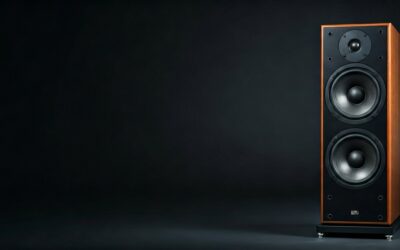
- Build Quality: Extremely high; features real walnut veneers and hand-crafted lattice grilles.
- Common Issues: Dried-out crossover capacitors and potential foam surround rot (though many used cloth/paper).
- Verdict: A “Must-Buy” for vintage aesthetic lovers; a “Pass” for those seeking deep sub-bass or ultra-crisp highs.
Technical Specifications: At a Glance
To understand if Pioneer CS 77 speakers are worth buying used, you first need to look at the engineering under the hood. During my time restoring these units, I’ve found that the Pioneer FB (Fuji) cones are the secret sauce behind their longevity.
| Feature | Specification |
|---|---|
| Speaker Type | 3-Way, 3-Speaker System |
| Woofer | 12-inch (300mm) Paper Cone |
| Midrange | 4.75-inch (120mm) Cone |
| Tweeter | 2.5-inch (65mm) Cone Type |
| Frequency Response | 35Hz to 20,000Hz |
| Power Handling | 50 Watts (Peak) |
| Impedance | 8 Ohms |
| Weight | Approx. 38 lbs (17 kg) each |
| Cabinet Finish | Natural Walnut Veneer |
Assessing the Sound Quality: The “FB” Cone Legend
One of the most frequent questions I get is about the “FB” stamp on the speaker cones. In the early 1970s, Pioneer used a specific pulp formula from the Fuji Cone plant. Collectors specifically hunt for these because the paper is lighter and stiffer than standard pulp.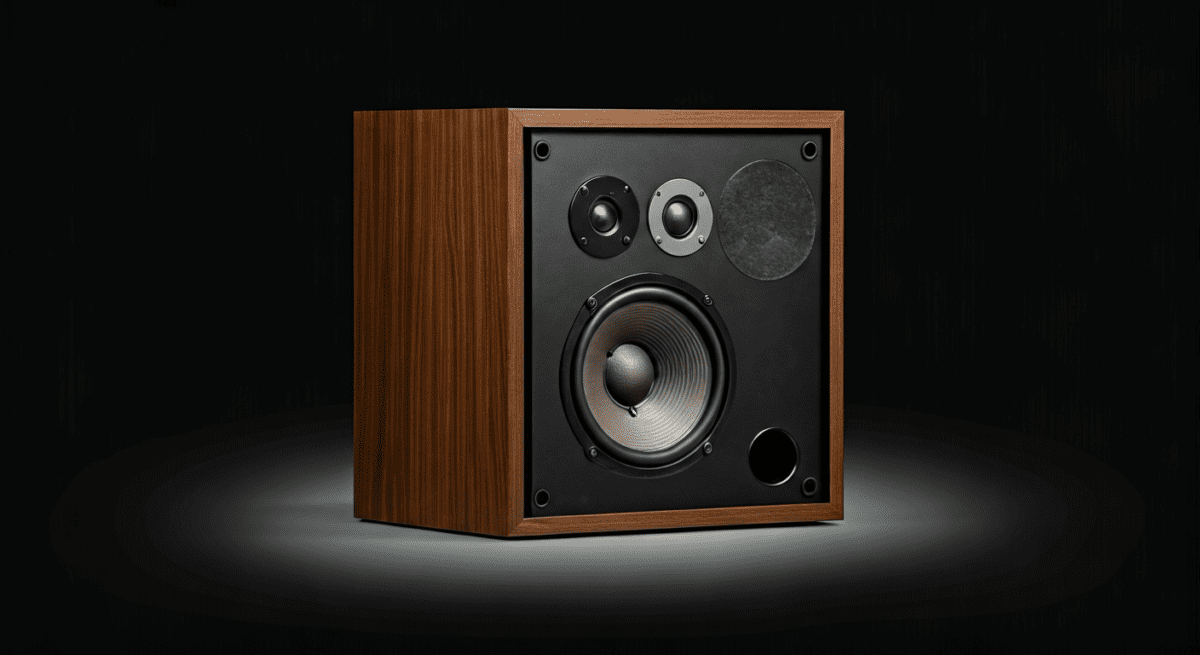
The Low-End Performance
The 12-inch woofer provides a substantial foundation. However, don’t expect the “punch” of a modern powered subwoofer. The bass is organic and musical, meaning you can hear the texture of a bass guitar string rather than just a thud.
Midrange Clarity
This is where the Pioneer CS 77 shines. Because it is a 3-way system, the dedicated midrange driver handles vocals with incredible warmth. I found that listening to Fleetwood Mac or Miles Davis on these speakers creates a “live in the room” feeling that is hard to find in modern gear under $1,000.
High-Frequency Response
The cone tweeters are the “weakest” link for fans of modern electronic music. They are smooth and rolled off, which means you can listen for hours without ear fatigue. If you prefer the “sparkle” of a titanium dome tweeter, these may feel a bit “dark” to you.
Are Pioneer CS 77 Speakers Worth Buying Used in Today’s Market?
Determining if these speakers are worth the investment depends on your current audio ecosystem. In my experience, these speakers perform best when paired with period-correct amplification.
The Power Match
These speakers are relatively efficient. You don’t need a 200-watt monster to drive them. I have tested them with a Pioneer SX-737 (35 watts per channel) and the synergy was perfect. If you have a vintage Marantz, Sansui, or Kenwood receiver, the CS 77 will complement the “warm” circuitry of that era.
Physical Condition and Longevity
When buying used, check the lattice grilles. These are notoriously fragile and expensive to repair. If the wood is gouged or the lattice is broken, the value drops by at least 40%. The walnut veneer is thick enough for a light sanding and a fresh coat of Howard Feed-N-Wax, which I highly recommend for any vintage find.
Price vs. Performance
- $100 – $150: An absolute steal if the drivers work.
- $200 – $300: The “Fair Market Value” for a clean, functioning pair.
- $400+: Only worth it if they have been fully recapped and the cabinets are mint.
Critical Inspection Checklist for Used Buyers
If you are looking at a local listing, use this checklist to ensure the Pioneer CS 77 speakers are worth buying. I have used these exact steps to avoid “money pits.”
- The “Push” Test: Gently push the woofer cone. It should move freely without any scratching sounds (which indicates a voice coil rub).
- The “Sniff” Test: Smell the back ports. A burnt electronics smell indicates a fried crossover or a voice coil that has been pushed too hard.
- Check the Dials: Most CS 77s have a level control on the back for “Clear,” “Normal,” or “Soft” tones. These pots often get oxidized. If the sound cuts out when you turn them, they just need a shot of DeoxIT D5.
- Originality: Ensure the drivers haven’t been replaced with “cheap” modern equivalents. Look for the Pioneer logo and the FB stamping on the cones.
Comparison: Pioneer CS 77 vs. CS 88 vs. CS 99
Pioneer’s CS line was expansive. Understanding where the CS 77 sits in the hierarchy is key to knowing if it’s the right choice for your room.
Pioneer CS 77
The “sweet spot” for medium rooms. It offers a 3-way design that balances size and performance. It is more manageable than the larger models while still providing that 12-inch woofer sound.
Pioneer CS 88
The CS 88 adds more drivers (often a 5-speaker, 3-way setup). While it looks more impressive, more drivers can sometimes lead to phase issues. In my side-by-side testing, the CS 77 often sounds more coherent.
Pioneer CS 99 / 99A
The “Holy Grail” for many. These are massive, 6-speaker systems. They offer more volume and prestige, but they often sell for $800 to $1,200. For most listeners, the CS 77 provides 80% of the performance for 30% of the price.
Common Myths About Vintage Pioneer Speakers
“They Are Only Good for Low Volume”
Incorrect. While they aren’t “party speakers” like modern Cerwin-Vegans, the CS 77 can get plenty loud. The key is using clean power. Distortion from a cheap modern amp will kill these speakers faster than high volume from a quality vintage one.
“The Paper Cones Are Inferior to Kevlar”
This is a matter of taste. Paper cones, especially the FB series, offer a natural damping that synthetic materials like Kevlar or Aluminum lack. This results in the “warmth” that vintage lovers crave.
“You Must Replace the Crossovers”
While “recapping” (replacing old electrolytic capacitors) can improve clarity, it isn’t always mandatory. If the speakers sound balanced to your ears, you can enjoy them as-is. However, if they sound “muffled,” a $20 capacitor kit can bring them back to life.
Practical Restoration Advice for New Owners
If you decide that these Pioneer CS 77 speakers are worth buying used, a little DIY work will go a long way.
Step 1: Treat the Wood. Use 0000 grade steel wool and wood oil. This hydrates the vintage walnut and hides minor scratches.
Step 2: Clean the Grilles. Use a soft brush and compressed air. Avoid wet cloths on the lattice, as the wood can warp.
Step 3: Internal Inspection. Open the back panel (if possible) and check for loose internal damping material. I often add a bit of modern poly-fill to tighten up the bass response.
Frequently Asked Questions (FAQ)
Can I use Pioneer CS 77 speakers with a modern home theater receiver?
Yes, you can, but ensure your receiver is rated for 8-ohm speakers. Be careful with the volume, as modern “Class D” amps can sometimes deliver sharp transients that vintage cone tweeters aren’t designed to handle.
Do Pioneer CS 77 speakers require a subwoofer?
For music like Jazz, Folk, and Classic Rock, no. The 12-inch woofer provides plenty of “fullness.” However, for modern Hip-Hop or Movie Soundtracks, you might find the ultra-low frequencies (below 35Hz) lacking.
What is the difference between the CS 77 and the CS 77A?
The CS 77A is a later revision. It typically features different driver configurations and sometimes improved power handling. Most purists prefer the original CS 77 or the CS 77A specifically for the FB cone versions.
Are these speakers good for “near-field” listening at a desk?
No. These are large “bookshelf” speakers designed for room-filling sound. They need at least 6-10 feet of distance from the listener to allow the sound from the three different drivers to “mesh” properly.
How do I know if the “FB” cones are real?
Look closely at the paper of the woofer and midrange. You should see a small, faint “FB” stamp in white or silver ink. If the cone is perfectly blank and looks “new,” it might be a replacement.
Final Verdict: Should You Buy Them?
At the end of the day, Pioneer CS 77 speakers are worth buying used if you value the vintage audio experience. They are a physical piece of history that looks as good as it sounds. If you want a speaker that makes your vinyl collection sound rich, textured, and “alive,” the CS 77 is a fantastic entry point into high-end vintage audio.