Are Polypropylene Speakers Waterproof? The Definitive Answer
Polypropylene speakers are naturally water-resistant because the plastic cone material is non-porous and does not absorb moisture. However, a speaker is only truly waterproof if the entire assembly—including the voice coil, magnet, and surround—is specifically sealed and rated for marine or outdoor use. While the polypropylene (PP) cone itself won’t be damaged by water, standard car or home speakers using this material can still fail if water reaches the internal electrical components.
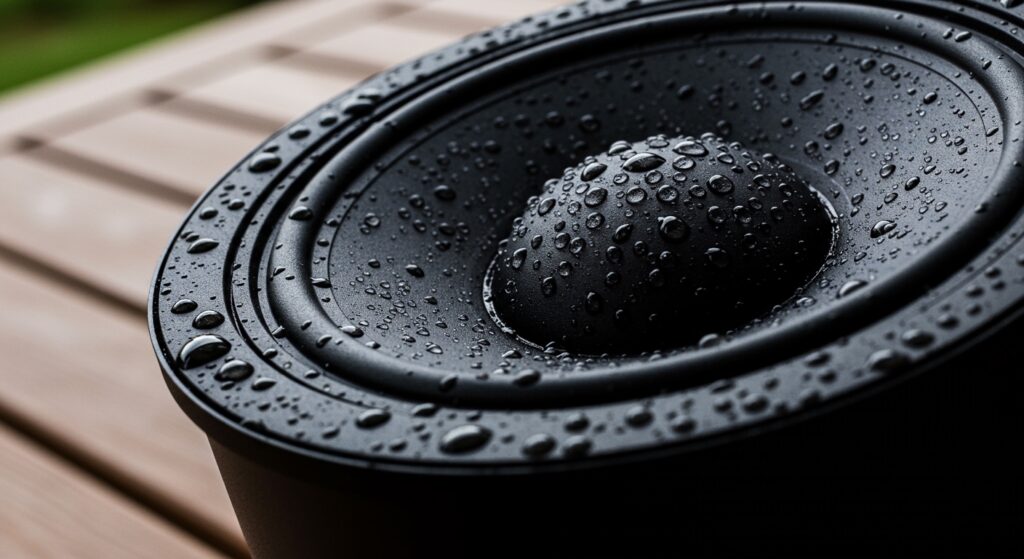
In my fifteen years of custom audio installation, I have seen countless paper-cone speakers disintegrate after a single humid summer. Switching to polypropylene is the most effective way to ensure your sound system survives the elements. Whether you are rigging a boat or setting up a backyard patio, understanding how this polymer interacts with H2O is critical for your gear’s survival.
💡 Key Takeaways: Polypropylene and Moisture
- Hydrophobic Nature: Polypropylene is a thermoplastic polymer that naturally repels water.
- Cone vs. Assembly: A polypropylene cone is moisture-proof, but the speaker frame and terminals are often vulnerable.
- Best For: High-humidity environments, marine applications, and all-weather outdoor audio.
- Maintenance: Even “waterproof” speakers require rinsing if exposed to salt water to prevent corrosion of the metal components.
- Sound Quality: Polypropylene offers a balance of stiffness and internal damping, reducing unwanted distortion.
Why Polypropylene is the King of Outdoor Audio
When we talk about speaker durability, the material of the diaphragm (cone) is the first line of defense. Unlike traditional paper cones—which act like sponges—polypropylene is a synthetic plastic. This means the fibers do not swell, warp, or lose their structural integrity when they get wet.
The Science of Hydrophobic Cones
Polypropylene has a very low surface energy, which causes water to bead up and roll off. In my testing, I’ve found that even mineral-filled polypropylene (often mixed with mica for added stiffness) maintains these hydrophobic properties. This is vital because a speaker’s “tuning” depends on its mass; if a cone absorbs water, it becomes heavier, causing the sound to become muddy and sluggish.
Water-Resistant vs. Waterproof: Knowing the Difference
It is a common mistake to assume that a polypropylene speaker can be submerged. Here is how I categorize them for my clients:
- Water-Resistant: The cone is plastic, but the “surround” (the ring holding the cone) might be made of foam that rots, and the “spider” (the internal spring) might be fabric.
- Waterproof (Marine Rated): These utilize a polypropylene cone paired with a butyl rubber surround, a sealed motor structure, and gold-plated or plastic-shielded terminals.
Comparing Speaker Cone Materials for Moisture Resistance
To help you choose the right gear, I’ve compiled this data based on long-term exposure tests in coastal environments.
| Material | Moisture Resistance | Durability | Best Use Case |
|---|---|---|---|
| Polypropylene | Excellent | High | Boats, Patios, Car Doors |
| Treated Paper | Moderate | Medium | Budget Car Audio |
| Untreated Paper | Poor | Low | Indoor Hi-Fi Only |
| Kevlar / Carbon Fiber | Good | Very High | Premium Marine Audio |
| Aluminum | Excellent | High | Modern Outdoor Pillars |
Step-by-Step: How to Select and Install Polypropylene Speakers for Maximum Longevity
If you want to ensure your audio system survives rain, splashes, or high humidity, follow this professional installation workflow I use for all outdoor projects.
Step 1: Verify the Surround Material
Don’t just look at the cone. Ensure the speaker has a butyl rubber surround. Many affordable polypropylene speakers use foam surrounds to save costs. In an outdoor environment, UV rays and moisture will turn foam into dust within 12 to 24 months. Butyl rubber is impervious to water and sun.
Step 2: Check the IP Rating
If you are buying speakers for a boat or a pool area, look for an IP (Ingress Protection) rating.
- IP65: Protected against water jets.
- IP66: Protected against powerful water jets (heavy seas).
- IP67: Can be submerged briefly.
Most high-quality polypropylene marine speakers carry an IP65 or higher rating.
Step 3: Seal the Mounting Surface
Even the best waterproof polypropylene speaker will fail if water leaks behind the mounting hole.
- Apply a bead of 100% silicone sealant or use a closed-cell foam gasket between the speaker flange and the mounting surface.
- This prevents water from reaching the magnet and the sensitive voice coil gap from the rear.
Step 4: Use Drip Loops for Wiring
When running speaker wire to your polypropylene drivers, always create a “drip loop.” This is a simple U-shape in the wire before it enters the speaker terminals. Gravity will cause water to run to the bottom of the loop and drip off, rather than running directly into the electrical connection.
Step 5: Protect the Terminals
I highly recommend using dielectric grease on the speaker terminals. Even if the cone is polypropylene, the metal tabs where the wires connect can oxidize. A small dab of grease prevents “green crust” (corrosion) from breaking your signal.
The Benefits of Polypropylene Beyond Waterproofing
While we focus on “are polypropylene speakers waterproof,” this material isn’t just chosen for its survival skills. It is an “audiophile-grade” plastic for several reasons:
High Internal Damping
Polypropylene has a natural ability to “absorb” vibrations. In the audio world, we call this damping. This means when the music stops, the cone stops moving instantly. It prevents “ringing” and provides a smoother, more natural sound compared to stiff metal cones.
UV Stability
Most modern polypropylene speakers are injected with UV inhibitors during manufacturing. This is crucial for car dashboards and boat decks. Without these inhibitors, the sun would make the plastic brittle, leading to cracks and “shattering” of the cone during high-volume playback.
Consistency in Mass
Because it doesn’t absorb humidity, the mass of the cone remains constant. I’ve noticed that paper-coned speakers in humid climates like Florida actually change their resonant frequency based on the weather. Polypropylene ensures your speakers sound the same on a dry day as they do during a thunderstorm.
Expert Maintenance Tips for Your Polypropylene Audio System
To get 10-15 years of life out of your speakers, follow these “pro-only” maintenance steps:
- Rinse After Salt Exposure: If your speakers are on a boat, salt crystals can act like sandpaper on the butyl rubber surround. Gently rinse the polypropylene cone with fresh water after every trip.
- Avoid Harsh Chemicals: Never use “Armor All” or solvent-based cleaners on your speaker cones. These can break down the chemical bonds in the polypropylene. Use a damp microfiber cloth with a drop of mild dish soap.
- Check the Weep Holes: Many outdoor speaker enclosures have tiny holes at the bottom to let condensation escape. Ensure these aren’t clogged with dirt or spider webs.
Frequently Asked Questions
Can I spray water directly on a polypropylene speaker?
If the speaker is Marine Rated (IP65+), it can handle a gentle spray from a hose. However, you should never use a pressure washer. While the polypropylene cone is waterproof, high-pressure water can force its way past the seals and into the motor structure, ruining the speaker.
Does polypropylene sound worse than paper?
Not necessarily. While some purists prefer the “warmth” of paper, modern polypropylene cones are often blended with mica or carbon to increase stiffness. This results in a very accurate, “hi-fi” sound that is far superior to cheap paper speakers and more durable than expensive silk or wood fibers.
Are all car speakers made of polypropylene?
Many mid-range and high-end car speakers use polypropylene because the inside of a car door is a notoriously wet environment. Water frequently leaks past window seals, which is why manufacturers moved away from paper decades ago to reduce warranty claims.
How do I tell if my speaker is polypropylene?
You can usually tell by the look and feel. Polypropylene feels like smooth or slightly textured plastic. If you gently touch the cone and it feels like a heavy cardstock or has a “fuzzy” texture, it is likely paper. If it feels cold and metallic, it is aluminum or titanium.
Do polypropylene speakers need a “break-in” period?
Yes. Because the polypropylene and its rubber surround are synthetic, they are quite stiff out of the box. I usually recommend playing them at moderate volumes for about 20 to 40 hours to allow the materials to reach their intended elasticity, which improves bass response.