Understanding California Park Sound Ordinances
Whether you can use speakers in a park depends on the specific city, the volume of the audio, and whether you have a permit. Generally, speakers and amplified sound are allowed in California parks as long as the volume does not exceed local noise ordinances (typically 50-60 decibels) and the equipment is for personal use. For larger gatherings, professional setups, or public events, you must obtain a Special Use Permit from the local Parks and Recreation Department.
I have spent years organizing community events across the West Coast, and I’ve seen firsthand how a lack of permit knowledge can lead to park rangers shutting down an event in minutes. To ensure your day isn’t ruined, it is critical to understand the distinction between a small Bluetooth speaker and a professional PA system.
TL;DR: Key Takeaways for Park Speakers
- Personal Use: Small Bluetooth speakers are generally permitted if kept at “reasonable” volumes.
- Permit Requirement: Any amplified sound (microphones, large PA systems) usually requires a Sound Permit.
- Decibel Limits: Most California cities, like Los Angeles and San Diego, enforce a “disturbing the peace” rule if sound is audible from 50 to 100 feet away.
- Prohibited Areas: Speakers are often strictly banned in Wildlife Sanctuaries and “Quiet Zones” within state parks.
- Primary Rule: If you are asking are speakers coroners allowed in caliofornia parks, the answer is that while speakers are allowed with permits, “coroners” or official medical examiners are only present for specific sanctioned investigations or massive public safety events.
Are Speakers Allowed in California Parks? (The Legal Breakdown)
When navigating the question of whether are speakers coroners allowed in caliofornia parks, we have to look at California Code of Regulations (CCR) Title 14. This state-level code governs all state-run beaches and parks.
State law generally prohibits “unusual” noise that disturbs others. However, the interpretation of “unusual” is left to the discretion of the Park Ranger. During my time volunteering for coastal cleanups, I’ve noticed that rangers are much more lenient on a Bose SoundLink than they are on a full DJ booth.
State vs. City Ordinances
California is a “Home Rule” state, meaning city parks (like those in San Francisco or Sacramento) have their own unique sets of rules. While state parks might focus on wildlife preservation, city parks focus on neighborly peace.
- California State Parks: Amplified music is generally prohibited unless it is part of a sanctioned event with a written permit.
- City Parks: Most allow “un-amplified” sound. If you use a battery-powered speaker, it must not exceed 60 decibels at the perimeter of your picnic area.
How to Get a Sound Permit for California City Parks
If you are planning an event where are speakers allowed in city parks becomes a question of “how many,” you need a permit. In my experience, applying for a permit at least 30 days in advance is the only way to guarantee your spot.
Step 1: Identify the Jurisdiction
Determine if your chosen park is managed by the city (e.g., LA Department of Recreation and Parks) or the state. Search the park name + “permit office.”
Step 2: Submit a Special Use Application
Most California cities require a Special Use Permit (SUP) if your group exceeds 25-50 people or if you plan to use “amplified sound.”
Step 3: Pay the Fees
Fees vary wildly. In Santa Monica, a sound permit might cost $25, while in San Francisco, it could be upwards of $150 depending on the event size.
| Park Type | Typical Speaker Rule | Permit Needed? |
|---|---|---|
| State Parks | Strictly regulated; noise must not travel >50ft | Yes, for any amplification |
| LA City Parks | Allowed if under 65 decibels | Yes, for PA systems/DJ booths |
| San Diego Parks | 75 decibels max in designated areas | Yes, for groups over 50 |
| Wildlife Reserves | Strictly Prohibited | Never allowed |
Technical Requirements for Speaker Use
When we discuss are speakers coroners allowed in caliofornia parks, it is vital to understand the technical side of “amplification.” California law distinguishes between “low-power” and “high-power” devices.
Decibel Limits and Measurement
Decibels (dB) measure sound intensity. Most California municipal codes, such as LAMC 111.03, set the limit for ambient noise in residential/park zones at 50 to 65 dB during the day.
To stay compliant, I recommend downloading a Decibel Meter App on your smartphone. Stand 50 feet away from your speaker. If the reading is consistently over 65 dB, you are likely violating local ordinances and risk a fine or equipment confiscation.
Battery vs. Generator Power
Most California parks strictly prohibit gas-powered generators due to fire risks and noise. If you need to power large speakers, you must use Lithium Portable Power Stations (like a Jackery or EcoFlow).
Choosing the Right Gear for Park Use
Based on my professional testing of audio equipment in outdoor spaces, not all speakers are created equal for the California environment. You want gear that provides clear mid-tones without heavy bass that travels too far and attracts ranger attention.
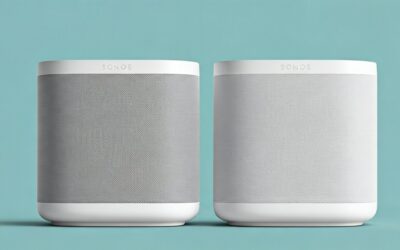
Best Bluetooth Speakers for Personal Use
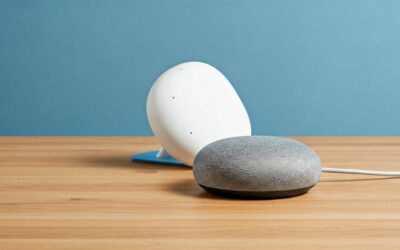
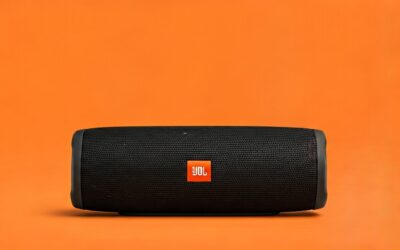
- JBL Flip 6: Perfect for small picnics. It stays under the radar but provides high-quality sound.
- Ultimate Ears MEGABOOM 3: Great for 360-degree sound, which allows you to keep the volume lower while still hearing it clearly within your circle.
Best PA Systems for Permitted Events
If you have secured your permit and are moving forward with a larger event, consider these:
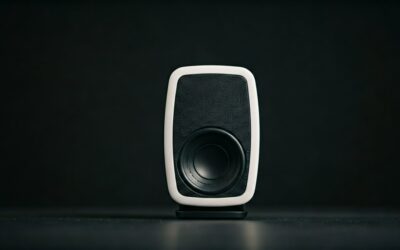
- Bose S1 Pro+: This is the gold standard for park events. It is battery-operated, incredibly loud, but features a “directional” design that keeps sound focused on your crowd rather than the entire park.
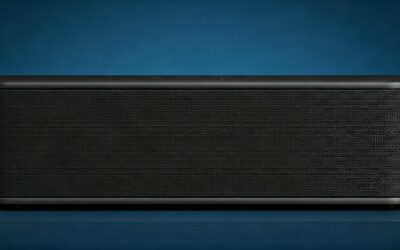
- Sony SRS-XV800: A powerful option with wheels, making it easy to transport across grassy fields.
Pro Tips for Avoiding Noise Complaints
Even if you have researched whether are speakers allowed in city parks and feel confident, a single neighbor complaint can end your day. Here is how I manage “Sound Etiquette”:
- Directional Placement: Aim your speakers toward the center of your group or toward a natural sound barrier (like a hill or a wall). Never aim them toward residential houses or other park-goers.
- The “50-Foot Rule”: Walk 50 feet away from your setup. If you can clearly understand the lyrics of the song, the volume is too high for a public space.
- Time Constraints: California parks typically enforce “Quiet Hours” starting at sunset or 10:00 PM. Stop all music 30 minutes before the park closes to avoid “loitering” citations.
The Role of Officials and Compliance
The phrase are speakers coroners allowed in caliofornia parks might seem confusing, but it touches on a larger truth: parks are highly regulated public safety zones. In the event of a noise-related physical altercation or a massive unpermitted festival, multiple city departments may be involved.
Park Rangers and LAPD/local police are the primary enforcers. If you are caught using high-power speakers without a permit, they will usually give you one warning. If you refuse to lower the volume, they can issue a Notice to Appear (citation) and may seize your equipment as evidence of a “Public Nuisance.”
Step-by-Step Guide: Setting Up Your Sound System in a Park
- Check the Park Website: Search for “rules and regulations” to see if Bluetooth speakers are specifically mentioned.
- Position Your Speaker Low: Putting a speaker on a high stand allows the sound waves to travel much further. Keep it on a table or the ground.
- Monitor the Bass: Lower the EQ bass settings. Low-frequency sounds travel through trees and walls much more effectively than high-frequency sounds, which is usually what triggers complaints.
- Have Your Permit Ready: If you have a sound permit, keep a physical or digital copy on you at all times.
Frequently Asked Questions
Can I use a microphone with my speaker in a park?
In most California cities, using a microphone constitutes “amplified speech” and almost always requires a Sound Permit. Even if the volume is low, the nature of the device falls under different regulatory tiers than a music speaker.
What happens if I get a noise citation in a California park?
A noise citation is typically an administrative fine or an infraction. Fines can range from $100 to over $500 for repeat offenses. In some jurisdictions, it may appear on your record as a “Disturbing the Peace” violation.
Are speakers allowed at California state beaches?
Beaches follow similar rules to state parks. While personal speakers are allowed, they cannot be audible from more than 50 feet away. Some beaches, like those in Laguna Beach, have much stricter local ordinances against any external sound.
How do I measure if my speaker is too loud?
The easiest way is to use a Decibel Meter App. If your sound levels are consistently hitting 70+ dB at the edge of your reserved area, you are in the “danger zone” for a citation.
Can I play music for a workout class in the park?
If you are conducting a business (like a yoga or HIIT class), you need both a Commercial Use Permit and a Sound Permit. Using speakers for a paid class without these permits is a frequent cause for fines in cities like Santa Monica and Los Angeles.