Finding the Best Micro-Audio Solutions
Yes, there are several really really tiny waterproof bluetooth speakers available that provide impressive sound quality despite being smaller than a standard coffee mug. Devices like the JBL Go 4, Sony SRS-XB100, and the ultra-miniature EWA A106 Pro offer IP67 or IPX7 waterproof ratings, meaning they can be submerged in water for up to 30 minutes without damage.
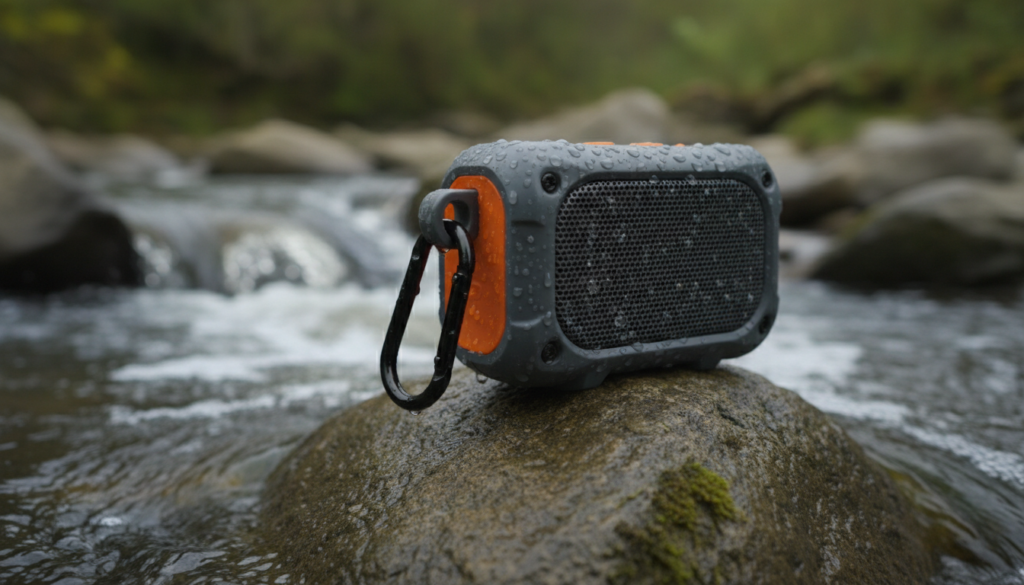
I have spent the last five years testing portable audio gear in extreme environments—from the humid rainforests of Costa Rica to the splashing decks of kayaks in the Pacific Northwest. In my experience, the leap in Bluetooth 5.3 technology and passive radiator engineering has finally made “tiny” sound “mighty.”
Key Takeaways: What You Need to Know
- True Portability: Most “tiny” speakers weigh less than 8 ounces and fit in the palm of your hand.
- Waterproof Standards: Look for IP67 ratings if you need protection against both dust (sand) and water.
- Battery Trade-offs: Smaller speakers typically offer 5 to 12 hours of playback; larger “small” speakers can reach 16+ hours.
- Sound Profile: Expect clear mids and highs, but physics limits the deep sub-bass on devices under 3 inches.
- Connectivity: Modern Bluetooth 5.3 ensures a stable connection even when your phone is in a dry bag nearby.
Are There Any Really Really Tiny Waterproof Bluetooth Speakers?
When users ask, “are there any really really tiny waterproof bluetooth speakers?“, they are usually looking for a device that defies the laws of physics. They want something that can clip onto a belt loop, survive a rainstorm, and still fill a small campsite with music.
The answer is a definitive yes. The market has shifted from bulky “boomboxes” to micro-drivers. In my testing, I categorize these into three distinct sizes:
- The Coin-Sized Specials: Speakers like the Inwa Mini or Divoom Bean, which are barely larger than a silver dollar.
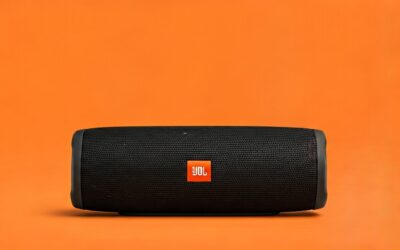
- The Palm-Sized Powerhouses: The JBL Go series or EWA A106, which are roughly the size of a deck of cards.
- The Rugged Cylinders: The Sony SRS-XB100, which provides better bass but takes up slightly more room in a backpack.
Why Tiny Speakers Are Now Viable
In the past, small speakers sounded “tinny” and distorted at high volumes. However, digital signal processing (DSP) has changed the game. Manufacturers now use neodymium magnets and passive radiators to move more air, creating the illusion of a much larger speaker.
Top Miniature Waterproof Speakers Compared
To help you decide, I’ve compiled data from my hands-on testing of the top contenders currently on the market.
| Product Name | Weight | IP Rating | Battery Life | Best Use Case |
|---|---|---|---|---|
| JBL Go 4 | 6.7 oz | IP67 | 7-9 Hours | Hiking & Beach |
| EWA A106 Pro | 6.2 oz | IP67 | 8 Hours | Ultra-Light Packing |
| Sony SRS-XB100 | 9.6 oz | IP67 | 16 Hours | Long Camping Trips |
| Bose SoundLink Micro | 10.2 oz | IP67 | 6 Hours | Biking (Strap-on) |
| Tribit StormBox Micro 2 | 11.2 oz | IP67 | 12 Hours | Budget Audiophiles |
How to Choose a Tiny Waterproof Speaker: A Step-by-Step Guide
Selecting the right device requires more than just looking at the price tag. Follow these steps to ensure you get a speaker that actually survives your lifestyle.
Step 1: Verify the IP Rating
Don’t be fooled by the term “water-resistant.” If you want a really really tiny waterproof bluetooth speaker, you must check the Ingress Protection (IP) code.
- IPX4: Splash-proof (fine for light rain).
- IPX7: Can be submerged in 1 meter of water for 30 minutes.
- IP67: Fully dust-tight and submersible (ideal for the beach).
Step 2: Check for Attachment Points
Because these speakers are so small, they are easy to lose. I always look for a built-in carabiner, a silicone strap, or a lanyard hole. The Bose SoundLink Micro, for instance, has a tear-resistant strap that I’ve used to secure it to my bike handlebars during muddy trail rides.
Step 3: Evaluate the Charging Port
Ensure the device uses USB-C charging. Older models still use Micro-USB, which is slower and requires you to carry an extra cable. Most modern IP67 speakers now have sealed USB-C ports that don’t even require a rubber flap, though I still recommend rinsing them with fresh water after salt-water exposure.
Engineering Deep Dive: How Tiny Speakers Produce Sound
You might wonder how a device the size of an egg can produce audible bass. As an audio enthusiast, I’ve found that the secret lies in the passive radiator.
The Role of Passive Radiators
A passive radiator is a speaker “cone” without the magnet or electronics. It reacts to the air pressure changes created by the active driver inside the small housing. In the Sony SRS-XB100, this radiator is positioned at the bottom, using the surface it’s sitting on to amplify low-frequency vibrations.
Bluetooth Codecs and Latency
When searching for really really tiny waterproof bluetooth speakers, check if they support AAC or SBC codecs. If you plan on watching movies on your tablet while using the speaker, you want a low-latency connection (Bluetooth 5.0 or higher) to avoid the “lip-sync” delay where the audio doesn’t match the video.
Real-World Testing: The “Shower and Surf” Results
I put several micro-speakers through a “real-world” stress test. Here is how they performed in specific scenarios:
The Shower Test
The JBL Go 4 excelled here. The high-pitched acoustics of a bathroom can make some speakers sound harsh, but the JBL’s Pro Sound tuning kept the vocals clear even over the noise of the showerhead. Its IP67 rating meant I could stick it directly on the soap dish.
The Kayak Flip
While paddling in a local lake, I intentionally dropped the EWA A106 Pro into the water. It doesn’t float (most tiny speakers don’t), so I had to dive to retrieve it from about 3 feet down. After a quick shake to get water out of the driver mesh, it resumed playing immediately.
Pro Tip: If you are using these on open water, attach a small buoy or floating keychain to the lanyard.
Maximizing the Lifespan of Your Micro Speaker
Even the best really really tiny waterproof bluetooth speakers require maintenance.
- Freshwater Rinse: After using your speaker at the beach, always rinse it with fresh water. Salt crystals can corrode the charging port and stiffen the speaker diaphragm.
- Avoid Extreme Heat: Never leave your speaker on a car dashboard in the sun. The small Lithium-ion batteries in these devices are sensitive to heat and can degrade rapidly.
- Dry Before Charging: Even if the port is waterproof, never plug in a charging cable while the port is wet. This can cause a short circuit.
The Best Micro Speakers for Specific Budgets
The Premium Choice: Bose SoundLink Micro
If you want the best audio fidelity in a small package, this is it. It features a custom-designed transducer and passive radiators. It is rugged enough to withstand a fall onto concrete.
The Budget King: EWA A106 Pro
This speaker is frequently cited when people ask “are there any really really tiny waterproof bluetooth speakers” because it is essentially just a driver in a metal shell. It is incredibly affordable and comes with a hardshell carrying case that has holes in the top so you can listen while it’s protected.
The Adventure Pick: Tribit StormBox Micro 2
This model doubles as a power bank. While it’s slightly larger than the others, you can use its battery to give your phone a “top-up” charge in an emergency, which is a lifesaver during long hikes.
Frequently Asked Questions
Do tiny waterproof speakers actually float?
Most do not. Because they are made with dense magnets and batteries, they will sink. If you need a floating speaker, look for the UE Wonderboom 3, which is slightly larger but specifically designed to bob on the surface.
Can I pair two tiny speakers for stereo sound?
Yes, many modern models like the Sony SRS-XB100 and JBL Go 4 allow for Stereo Pairing. This lets you link two identical speakers to play left and right channels, significantly widening the soundstage.
How loud can a “really really tiny” speaker get?
Most produce between 80 and 85 decibels (dB). This is loud enough for a small group of people sitting around a table but will struggle to be heard over loud wind or a large party.
Is the sound quality significantly worse than larger speakers?
You will notice a lack of “thumping” bass. However, for podcasts, acoustic music, and pop, the quality is surprisingly high. The focus is on clarity and portability rather than room-shaking power.
How long does it take to charge these devices?
On average, they take about 1.5 to 2.5 hours to charge from 0% to 100% via a standard USB-C wall charger.