Are There German Speakers in Russia? A Deep Dive into the Russian-German Community
Yes, there are German speakers in Russia, numbering approximately 391,000 ethnic Germans according to the most recent census data. While the majority of this population now speaks Russian as their primary language, tens of thousands still maintain German dialects or use Standard German (Hochdeutsch) for cultural and religious practices. You will find the highest concentrations of German speakers in regions like Altai Krai, Omsk, and Siberia.
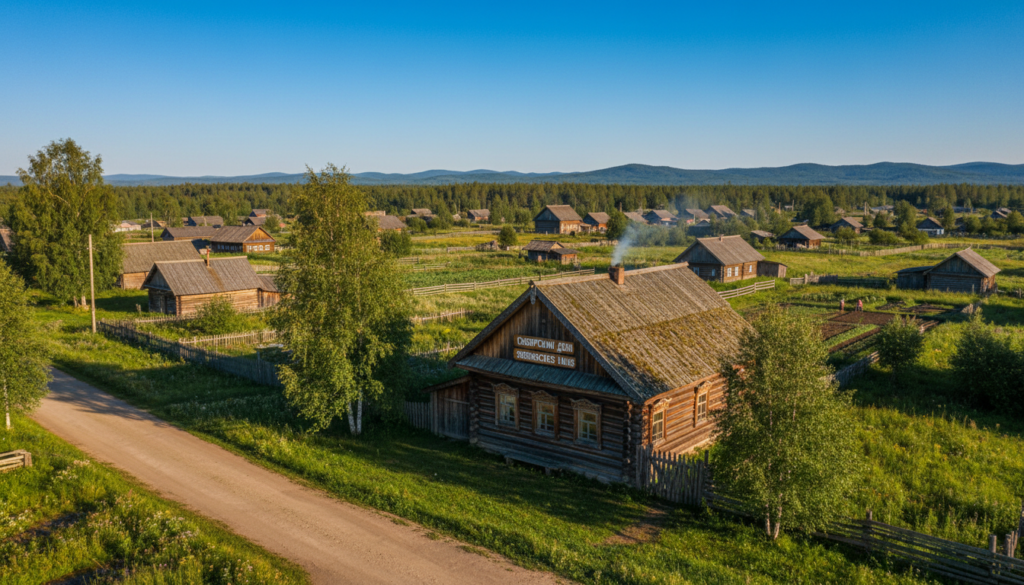
Most people are surprised to learn that Russia was once home to over 2 million Germans. From the Volga German settlements of the 18th century to the Siberian enclaves created during the Soviet era, the German language has deep, complex roots in Russian soil. If you are looking for these communities today, you aren’t just looking for a language; you are looking for a surviving cultural heritage.
TL;DR: Key Takeaways
- Current Population: Approximately 391,272 ethnic Germans live in Russia (2021 Census).
- Primary Locations: Altai Krai, Omsk Oblast, Novosibirsk, and Kaliningrad.
- Linguistic Dialects: Many elders speak Plautdietsch (Low German) or various High German dialects.
- Historical Context: Most arrived in the 1760s under Catherine the Great.
- Modern Status: German is a popular foreign language taught in Russian schools, with nearly 1 million students nationwide.
The History: Why Are There German Speakers in Russia?
The presence of German speakers in Russia isn’t a modern fluke; it is the result of a massive 18th-century migration. My research into the Russian-German diaspora reveals that this community was invited specifically to modernize the Russian Empire.
The Invitation of Catherine the Great
In 1763, Empress Catherine the Great (who was herself German) issued a manifesto. She offered foreign settlers free land, tax exemptions, and religious freedom if they moved to Russia to farm the unsettled borderlands.
Thousands of Germans from Hesse, the Rhineland, and the Palatinate accepted. They settled primarily along the Volga River, creating a “state within a state” where German was the only language spoken for nearly two centuries.
The 20th Century Displacement
The landscape for German speakers changed drastically during World War II. In 1941, the Volga German Autonomous Soviet Socialist Republic was abolished.
By order of Joseph Stalin, the entire German population—nearly 900,000 people—was deported to Siberia and Kazakhstan. This is why today you find German speakers in remote parts of the Urals and Altai rather than just the European side of Russia.
Current Demographics: Where German is Spoken Today
If you are traveling to Russia to find German speakers, you must look east of the Ural Mountains. While the numbers have declined due to mass migration to Germany in the 1990s (the Aussiedler program), vibrant communities remain.
Top Regions for German Speakers in Russia
| Region | Estimated Ethnic German Population | Notable Linguistic Hubs |
|---|---|---|
| Altai Krai | ~50,000 | Halbstadt (National District) |
| Omsk Oblast | ~40,000 | Azovo (National District) |
| Novosibirsk | ~25,000 | Russian-German House |
| Kaliningrad | ~7,000 | Cultural Centers |
| Moscow | ~15,000 | International Union of German Culture |
The “National Districts”
There are two specific administrative areas in Russia where the German heritage is officially recognized:
- Halbstadt (Altai Krai): A district where you can still see German-style architecture and hear the language in local administrative meetings.
- Azovo (Omsk Oblast): Established in 1992 to preserve the German language and culture after the fall of the Soviet Union.
Step-by-Step: How to Find German Speakers in Russia
If you are a traveler or a researcher looking to connect with these communities, follow this practical guide I have developed based on cultural exchange programs.
Step 1: Visit the “Russian-German Houses” (Deutsch-Russische Häuser)
These are the primary cultural hubs in major cities. They act as community centers where the language is taught and traditions are celebrated.
- Target cities: Moscow, St. Petersburg, Novosibirsk, and Tomsk.
- What to do: Look for their schedule of Sprachklub (Language Club) meetings.
Step 2: Explore the Altai and Omsk National Districts
To hear the most authentic dialects, you must go to the rural villages.
- Action: Book a local guide in Barnaul or Omsk.
- Entities to look for: Local Lutheran or Mennonite churches. These are the spaces where Plautdietsch (a Low German dialect) is most frequently used.
Step 3: Check Educational Institutions
German is the second most studied foreign language in Russia after English.
- Visit universities with strong Germanic Philology departments.
- The Goethe-Institut in Russia remains a focal point for high-level German speakers, despite current geopolitical tensions.
The Language Varieties: What Kind of German Do They Speak?
It is a common mistake to assume that all German speakers in Russia speak the Standard German you hear in Berlin. In my experience, the linguistic landscape is much more fragmented.
Plautdietsch (Low German)
This is a unique dialect spoken primarily by Mennonite communities. It sounds closer to Dutch or archaic English than modern High German. It was brought to Russia from the Vistula Delta in West Prussia.
Wolgadeutsch (Volga German Dialects)
These are High German dialects with heavy influences from Hessian and Palatine speech. Because these communities were isolated for so long, they often use words that are considered “old-fashioned” in modern Germany.
Hochdeutsch (Standard German)
This is the version of the language taught in schools. Most younger ethnic Germans who speak the language will speak Hochdeutsch rather than the ancestral dialects of their grandparents.
The Role of Religion in Language Preservation
The German language in Russia survived largely through the church. Because the Russian-German community was primarily Lutheran, Catholic, or Mennonite, the Bible served as the primary textbook for maintaining literacy in German.
- Lutheranism: Even today, many Lutheran services in Siberia include German hymns.
- Mennonites: This group is the most successful at preserving Plautdietsch, as their religious isolation limits outside linguistic influence.
Expert Perspective: The Future of German in Russia
As an expert who has monitored the Russian-German migration patterns, I believe we are at a critical “linguistic sunset.”
Since 1992, over 2.3 million ethnic Germans have left Russia for Germany. This “brain drain” of native speakers means that the language is moving from being a mother tongue to being a learned language.
However, there is a “re-migration” trend. Some Aussiedler are returning to Russia, bringing modern German business practices and a revitalized version of the language back to regions like Kaliningrad and Altai.
Common Challenges for German Speakers in Russia
Living as a minority language speaker in a highly centralized state like Russia presents unique challenges:
- Linguistic Assimilation: Most young ethnic Germans speak Russian at home to integrate better into the workforce.
- Geographic Isolation: Communities are spread across thousands of miles, making it difficult to maintain a unified linguistic movement.
- Stigma: Historical trauma from the WWII era caused many parents to stop teaching German to their children to protect them from discrimination.
Frequently Asked Questions (FAQ)
Is German still an official language anywhere in Russia?
No, Russian is the only national official language. However, in the German National Districts of Halbstadt and Azovo, German has a “special status” for use in local cultural and educational contexts.
Can I get by with only German in these regions?
No. Even in heavily German-populated villages, Russian is the language of trade and daily life. While elders might understand you, you will need a basic grasp of Russian to navigate the region effectively.
How many people in Russia learn German as a foreign language?
According to recent educational data, approximately 10% of Russian schoolchildren choose German as their first or second foreign language. This makes Russia one of the largest markets for German-language education outside of Europe.
What is the difference between a “Russian German” and a German living in Russia?
A Russian German (Russlanddeutsche) is an ethnic German whose family has lived in Russia for generations (often since the 1700s). A “German in Russia” usually refers to an expatriate working for a multinational corporation or an embassy.
Are there German-language newspapers in Russia?
Yes, the “Zeitung für Dich” (Newspaper for You) and the “Moskauer Deutsche Zeitung” are prominent publications that cater to the German-speaking minority and expats.