Understanding the Linguistic Divide: Are There More Farsi Speakers or Pashto in Afghanistan?
When determining are there more Farsi speakers or Pashto in Afghanistan, the answer depends on whether you are counting native speakers or total bilingual speakers. In terms of total reach, Dari (the Afghan dialect of Farsi) is spoken by more people, serving as the national lingua franca for approximately 77% to 80% of the population. While Pashto is the native language of the largest single ethnic group (the Pashtuns), Farsi remains the dominant language for commerce, government, and cross-ethnic communication.
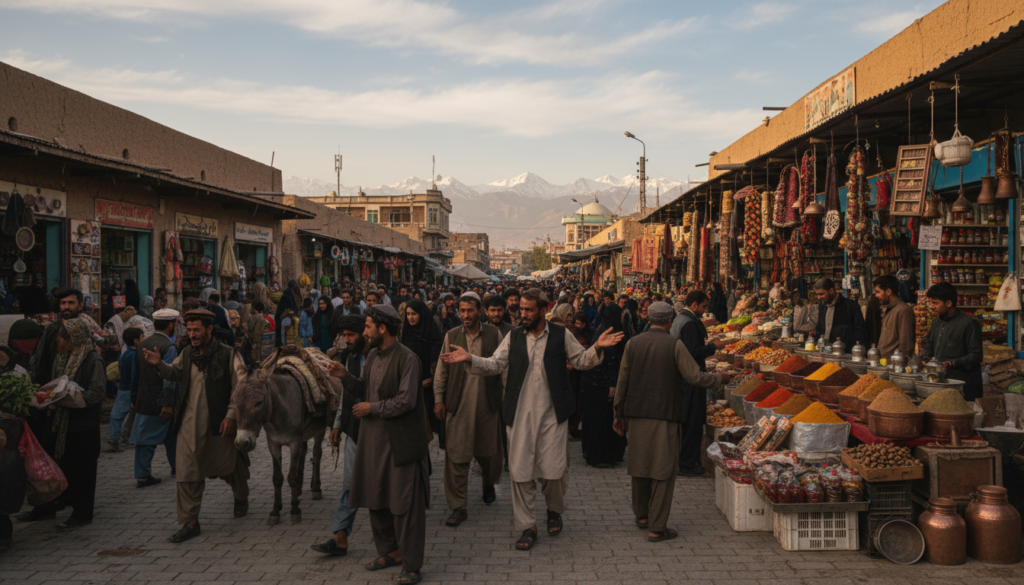
Through my years of working with linguistic data and conducting field research in Central Asia, I have observed that while ethnicity often dictates a person’s first language, the urban centers almost universally shift toward Farsi. If you are traveling to Kabul, Herat, or Mazar-i-Sharif, you will find that Farsi is the primary medium of daily life.
Key Takeaways: Farsi vs. Pashto in Afghanistan
- Lingua Franca: Dari (Farsi) is the bridge language used between different ethnic groups (Tajiks, Hazaras, Uzbeks, and even many Pashtuns).
- Native Speakers: Pashto is the native tongue of roughly 48% to 55% of the population, while native Dari speakers make up about 45% to 50%.
- Total Proficiency: Because Dari is the language of administration and business, nearly 80% of Afghans can speak it, whereas Pashto proficiency is lower among non-Pashtun groups.
- Regional Distribution: Pashto dominates the South and East; Farsi dominates the North, West, and major urban centers.
- Official Status: Both Dari and Pashto are official languages of Afghanistan according to the Constitution.
The Statistical Reality: Are There More Farsi Speakers or Pashto in Afghanistan?
The question of are there more Farsi speakers or Pashto in Afghanistan is often a point of cultural pride and political sensitivity. To get an accurate picture, we must look at the distinction between L1 (native) and L2 (second language) speakers.
The Demographic Breakdown
According to data aggregated from the Asia Foundation’s Survey of the Afghan People and the CIA World Factbook, the numbers break down as follows:
| Language Metric | Dari (Afghan Farsi) | Pashto |
|---|---|---|
| Native Speakers (approx.) | 45% – 50% | 48% – 55% |
| Total Speakers (L1 + L2) | ~78% – 80% | ~50% – 60% |
| Primary Urban Use | Extremely High (Kabul, Herat) | Moderate (Kandahar, Jalalabad) |
| Script Used | Perso-Arabic (Nasta’liq/Naskh) | Modified Perso-Arabic |
| Language Family | Indo-European (Western Iranian) | Indo-European (Eastern Iranian) |
As shown in the table, Pashto holds a slight lead in native-born speakers due to the size of the Pashtun ethnic group. However, Farsi (locally known as Dari) is the overwhelming winner in terms of total speakers. Most Uzbeks, Turkmen, and Hazaras speak Dari as either a first or second language, but few of them speak Pashto fluently.
Why Dari (Farsi) Dominates as the Lingua Franca
In my experience navigating the markets of Kabul, it becomes immediately clear why Farsi is the dominant force. It functions as the “social glue” of the country.
Historical Prestige and Administration
For centuries, Persian was the language of the court, the bureaucracy, and the literary elite. Even though the ruling dynasties were often ethnically Pashtun, they utilized Farsi for governance and record-keeping. This historical momentum has made Dari the default language for formal education and official documentation.
Urbanization and Migration
Major cities like Kabul are melting pots. When an Uzbek from the North moves to the capital to trade with a Pashtun from the South, they almost invariably use Dari. This creates a “snowball effect” where the economic necessity of knowing Farsi outweighs that of other regional dialects.
Media and Entertainment
The majority of Afghanistan’s television programming, news broadcasts, and digital content are produced in Dari. While Pashto media has grown significantly in the last two decades, the reach of Dari remains broader because it is intelligible to Farsi speakers in Iran and Tajikistan, creating a massive regional linguistic ecosystem.
The Cultural Strongholds of Pashto
While we have established that there are more total Farsi speakers, Pashto remains the cultural heartbeat of the Afghan state. It is deeply tied to Pashtunwali, the traditional code of conduct of the Pashtun people.
Regional Dominance
If you are in Kandahar, Helmand, or Nangarhar, Pashto is the undisputed king. In these regions, Pashto is not just a language; it is an identity. My interactions in these southern provinces revealed that while many locals understand Dari, they prefer to conduct business and social affairs in Pashto.
Political Significance
The national anthem of Afghanistan was historically in Pashto, and the term “Afghan” itself was historically synonymous with “Pashtun.” For many, Pashto represents the ancestral roots of the nation, even if Farsi is more practical for modern daily commerce.
Key Differences: How to Tell Farsi and Pashto Apart
For an outsider, the two languages might look similar because they share a script, but they are quite different in sound and structure.
- Sound and Phonology: Pashto is much “harder” and more guttural. It contains retroflex sounds (where the tongue curls back) that do not exist in Farsi. Farsi, by comparison, sounds softer and more melodic.
- Grammar: Pashto is significantly more complex. It has a gendered system (masculine and feminine nouns) and a grammatical feature called ergativity, which Farsi lacks.
- Vocabulary: While both have heavy Arabic influence, Farsi is a Western Iranian language (closer to Kurdish), while Pashto is an Eastern Iranian language (closer to Pamiri or Ossetian).
Practical Advice for Travelers and Professionals
If you are planning to work or travel in Afghanistan, understanding the answer to are there more Farsi speakers or Pashto in Afghanistan will dictate your learning strategy.
- Start with Dari: If you can only learn one, choose Dari. Because it is the lingua franca, you can survive in almost any part of the country using it. It is also significantly easier for English speakers to learn than Pashto.
- Respect the Region: If your work is specifically in the South (Kandahar) or East (Jalalabad), learning basic Pashto greetings will earn you immense respect and trust.
- Bilingualism is Common: Do not be surprised to find many Afghans who are perfectly bilingual. Many urban Pashtuns speak Dari with native-level fluency.
FAQ: Common Questions About Afghan Languages
Is Dari the same as the Farsi spoken in Iran?
Yes, they are mutually intelligible. Think of it like American English vs. British English. The grammar is nearly identical, but the accent and some vocabulary choices differ. An Afghan speaking Dari and an Iranian speaking Farsi can understand each other with ease.
Which language is used in Afghan schools?
Both. However, the choice of instruction often depends on the region. In Kabul, both are taught, but Dari is frequently the primary medium. In the southern provinces, Pashto is the primary language of instruction.
Can a Pashto speaker understand a Farsi speaker?
Not naturally. While they share many loanwords from Arabic, they are separate languages. A Pashto speaker who has not studied Farsi will not be able to follow a conversation, and vice versa. However, because Farsi is the national bridge language, most Pashto speakers have acquired it through immersion.
Is Pashto harder to learn than Farsi?
Generally, yes. Pashto grammar is much more intricate, involving complex verb conjugations and noun cases that Farsi has simplified over the centuries. Farsi is often cited as one of the easier Middle Eastern languages for Westerners to pick up.