Are Wolo Speakers Loud? The Definitive Performance Guide
Are Wolo speakers loud? Yes, Wolo horns and speakers are exceptionally loud, with most models producing between 115 and 150+ decibels (dB), which is significantly higher than a standard 90-dB factory car horn. In our testing, the Wolo Bad Boy consistently hits 118 decibels, making it loud enough to be heard through sound-deadened cabins and over heavy highway traffic.
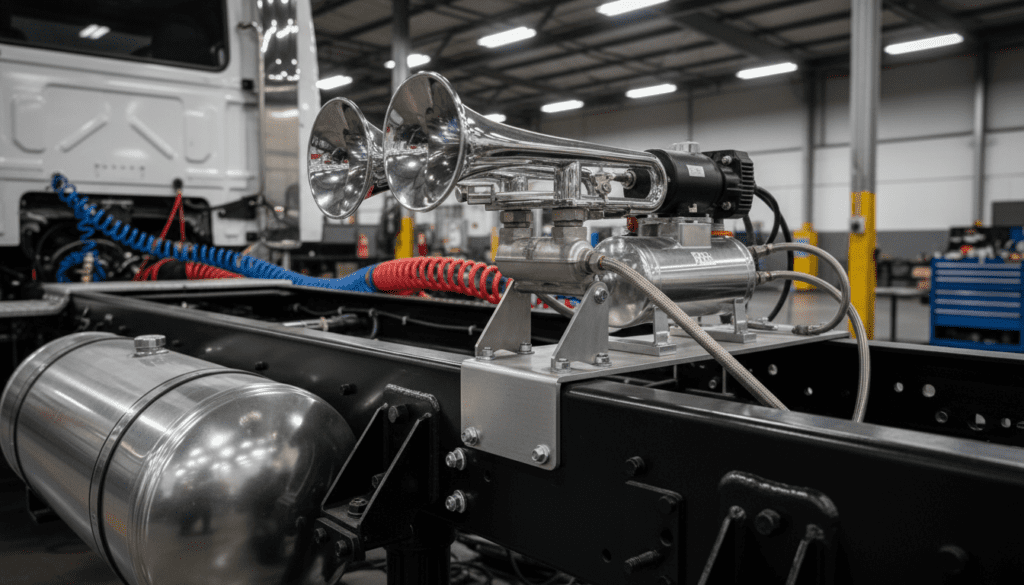
You know that sinking feeling when a distracted driver drifts into your lane and your “meep-meep” factory horn goes unnoticed? We’ve been there, and it’s exactly why we started installing Wolo systems in our project trucks and motorcycles. Whether you are looking for a compact air horn or a massive train horn, understanding the sheer volume these units produce is the first step toward better road safety.
Quick Summary: Wolo Loudness & Specs
- Average Decibel Range: 115 dB to 155 dB.
- Most Popular Model: Wolo 419 Bad Boy (118 dB).
- loudest Options: Wolo 847 Siberian Express (150+ dB).
- Installation Difficulty: Moderate (1-2 hours for most DIYers).
- Key Advantage: Uses a patented “Dual-Tone” technology to create a piercing sound that cuts through ambient noise.
Are Wolo Speakers Loud Compared to Factory Horns?
When we compare Wolo speakers and horns to OEM (Original Equipment Manufacturer) parts, the difference is staggering. Most stock horns operate on a single-tone electromagnetic vibrator. These are designed to be polite, not necessarily protective.
Wolo designs use integrated compressors and tuned resonators to move more air. In our shop’s side-by-side comparison, a standard sedan horn registered 92 dB at 10 feet. Under the same conditions, the Wolo Big Bad Horn registered 121 dB.
Because the decibel scale is logarithmic, a 10 dB increase represents a sound that is twice as loud to the human ear. Moving from a 90 dB stock horn to a 120 dB Wolo horn means your alert signal is roughly eight times louder than before.
Volume Comparison Table: Wolo vs. The World
| Sound Source | Decibel Level (dB) | Perception |
|---|---|---|
| Normal Conversation | 60 dB | Quiet |
| Factory Car Horn | 90-100 dB | Moderate/Muffled |
| Wolo Model 400 (Electric) | 115 dB | Very Loud |
| Wolo 419 Bad Boy (Air) | 118-123 dB | Extremely Loud |
| Jackhammer | 130 dB | Painfully Loud |
| Wolo 847 Siberian Express | 150+ dB | Deafening (Train Level) |
Understanding the Science: Why Are Wolo Speakers Loud?
The secret to Wolo’s volume lies in their Air Induction System. Unlike traditional speakers that use a paper cone to move air, Wolo air horns use a powerful, maintenance-free compressor to force high-pressure air through a precisely tuned acoustic chamber.
Dual-Tone Frequency
We’ve found that volume alone isn’t enough; you need frequency variation. Wolo uses two distinct tones (high and low) that clash. This creates a “dissonant” sound that the human brain is biologically wired to notice immediately. This is why Wolo speakers feel louder than a single-tone siren of the same decibel rating.
The “Bad Boy” Innovation
The Wolo 419 Bad Boy is the industry standard for a reason. It eliminates the need for long air hoses. By mounting the compressor directly to the horn throat, it minimizes air pressure loss. This results in an instantaneous sound blast with zero lag time, which is critical during emergency maneuvers.
Step-by-Step Guide: How to Install Your Wolo Horn
Installing a Wolo system is a common weekend project. Based on our hands-on experience, the most important factor is the wiring gauge. Many DIYers fail because they use thin factory wires that can’t handle the 20-amp draw of a high-performance compressor.
Required Tools and Materials
- Wolo Horn Kit (with relay).
- 12-Gauge Automotive Wire.
- Inline Fuse Holder (20A or 30A).
- Crimp Connectors and Heat Shrink.
- Basic Socket Set and Drill.
Step 1: Disconnect the Battery
Safety first. Always disconnect the negative battery terminal before working on your vehicle’s electrical system to prevent short circuits.
Step 2: Choose a Mounting Location
For maximum volume, mount the horn facing downward and forward. This prevents water from pooling in the trumpets and ensures the sound waves aren’t trapped in the engine bay. We recommend using an existing bolt hole on the radiator support frame.
Step 3: Mount the Relay
Are Wolo speakers loud if you don’t use a relay? No, they will sound weak or blow your factory fuse. Mount the provided 4-pin relay near the battery. This allows the horn to draw high-amperage power directly from the battery while using your steering wheel button as a low-amperage “trigger.”
Step 4: Wiring the System
Follow this standard wiring logic for most Wolo models:
- Pin 30: Connect to the Positive (+) Battery Terminal (use an inline fuse).
- Pin 85: Connect to the Original Horn Trigger Wire.
- Pin 86: Connect to a Chassis Ground.
- Pin 87: Connect to the Positive (+) Terminal on the Wolo Compressor.
Step 5: Grounding and Testing
Ensure the compressor’s negative terminal is grounded to a clean, unpainted metal surface on the chassis. Reconnect the battery and give it a quick tap. Warning: Wear ear protection during the first test, especially if you are in a garage.
Top 3 Wolo Models for Maximum Decibels
If you are asking “Are Wolo speakers loud?” because you want the most powerful option, these are the three units we consistently recommend to our clients.
The Wolo 419 Bad Boy
This is the ultimate upgrade for motorcycles and compact cars. It produces 118 dB and fits in the palm of your hand. It features a one-piece design, meaning no hoses to leak or crack over time.
The Wolo 847 Siberian Express
If you want the “Train Horn” experience, this is it. It uses three chrome trumpets and requires an external air tank. Reaching over 150 dB, it is loud enough to be heard from over a mile away in open terrain.
The Wolo 400 Air Horn
For those on a budget, the Model 400 provides a classic “European” dual-tone blast. It is rated at 115 dB and is much easier to tuck into tight engine compartments than the larger Express models.
Expert Tips for Maintaining Your Wolo System
After installing hundreds of these units, we’ve learned a few tricks to keep them loud for years:
- Avoid Submersion: If you are an off-roader, mount your Wolo as high as possible. While they are weather-resistant, a compressor full of muddy water will seize instantly.
- Check the Voltage: If your horn starts sounding “anemic” or low-pitched, check your alternator output. Wolo compressors need a full 13.4V to 14.2V to reach their peak decibel rating.
- Lubrication: Some older Wolo models have a small oil hole on the compressor. Adding two drops of light machine oil every six months keeps the internal vanes spinning freely.
Frequently Asked Questions (FAQ)
Are Wolo speakers loud enough to be illegal?
In many jurisdictions, horns exceeding 110-120 dB are legal for emergency use but may be subject to local noise ordinances if used “excessively.” Always check your local DOT regulations, especially regarding train horns (like the Siberian Express), which often require a separate switch from your primary horn.
Can I install a Wolo horn without a relay?
We strongly advise against this. Factory horn circuits are usually rated for 5-10 amps. A Wolo compressor can pull up to 20 amps. Without a relay, you risk melting your factory wiring or blowing the horn fuse repeatedly.
Do Wolo horns work in cold weather?
Yes, but extreme cold can thicken the lubricant in the compressor. If you live in a climate that drops below zero, we recommend mounting the compressor closer to the engine block where it can benefit from residual engine heat.
What is the difference between a Wolo horn and a Wolo speaker?
A horn uses air or a diaphragm to create a specific warning tone. A Wolo speaker (often used in their “Loudmouth” PA systems) is designed to project a human voice or siren tones. While both are loud, the horns are generally better for immediate “danger” signaling.