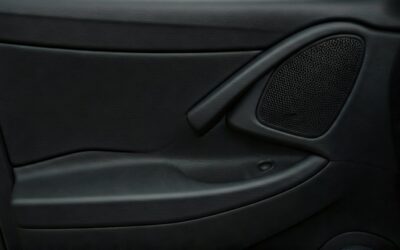
Yes, Your 2006 Ford Radio Can Power 4-Ohm Speakers
Yes, a 2006 Ford stock radio can handle 4-ohm speakers without any immediate risk of damage to the head unit. Most factory Ford head units from this era are internally rated for a 4-ohm impedance, which is the industry standard for automotive audio.
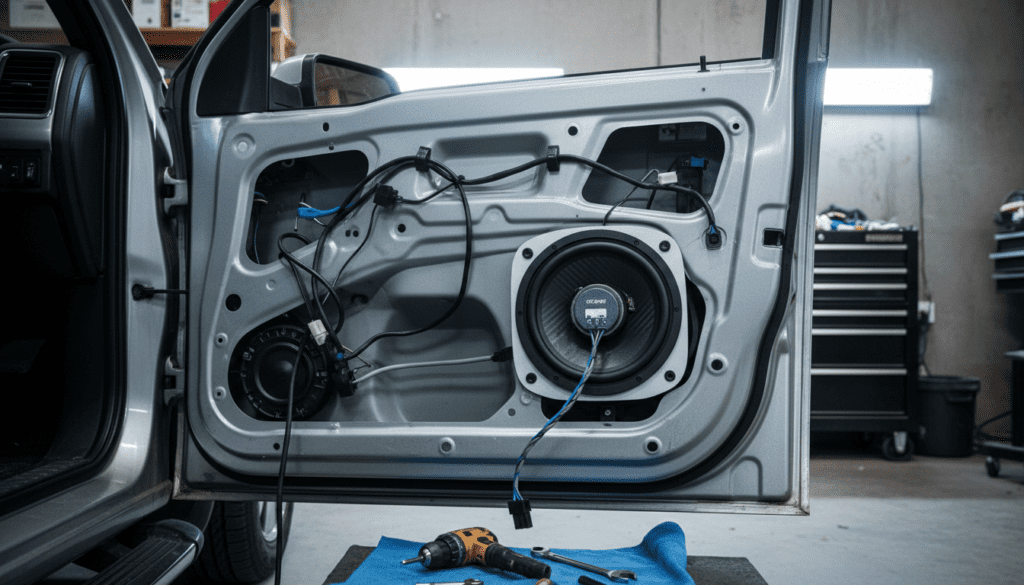
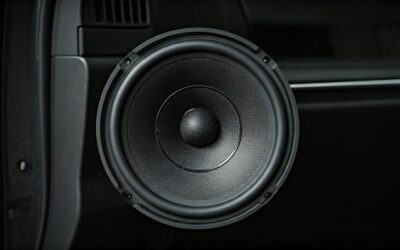
If you are replacing your dry-rotted factory speakers, choosing 4-ohm aftermarket speakers is the safest and most common upgrade path. However, while they are compatible, you must consider speaker sensitivity and the limited power output of the OEM Ford head unit to ensure you don’t actually lose volume in the process.
TL;DR: Key Takeaways for Ford Audio Upgrades
- Impedance Match: 4-ohm speakers are the native load for standard 2006 Ford non-amplified systems.
- Sensitivity Matters: Look for speakers with a sensitivity rating of 90dB or higher to work well with the low power of a stock radio.
- The Mach Exception: If your Ford has the Mach 460 or Mach 1000 system, the wiring and impedance requirements are different and more complex.
- Direct Fit: Most 2006 Fords (F-150, Mustang, Explorer) use 6×8 or 5×7 inch speakers.
- Plug-and-Play: Use Metra 72-5600 wiring adapters to avoid cutting your factory harness.
Understanding Why an 06 Ford Stock Radio Can Handle 4-Ohm Speakers
When I first started doing installs on mid-2000s F-series trucks, the biggest concern for owners was “blowing the radio.” In reality, the 2006 Ford stock radio is a workhorse. Whether you have the single-disc CD player or the 6-disc in-dash changer, the internal amplifier is designed to see a 4-ohm load.
What is Impedance (Ohms)?
In simple terms, impedance is the electrical resistance your speakers provide against the flow of current from the radio.
- Lower Ohms (2-ohm): Allows more power to flow, but makes the radio run much hotter.
- Higher Ohms (8-ohm): Restricts power flow, resulting in much lower volume.
- Standard Ohms (4-ohm): The “sweet spot” for almost all car audio head units.
Power Constraints of the Factory Head Unit
While the can 06 ford stock radio handle 4ohm speakers question is a “yes,” you need to manage expectations regarding volume. A factory Ford radio typically puts out about 10 to 15 watts RMS per channel.
If you buy high-end 4-ohm speakers designed to handle 100 watts RMS, they may actually sound quieter or “thinner” than your cheap factory paper speakers. This is because those high-end speakers require more “juice” to move the heavier cones and magnets.
Technical Compatibility: Factory vs. Aftermarket
| Feature | Factory Ford Speaker | Aftermarket 4-Ohm Speaker |
|---|---|---|
| Impedance | 4-Ohm (Standard) | 4-Ohm |
| Material | Paper / Treated Cloth | Polypropylene / Silk / Kevlar |
| Sensitivity | Very High (92dB+) | Variable (Aim for 90dB+) |
| Power Handling | 15-20 Watts | 30-100 Watts |
| Durability | Low (Rot-prone) | High (Moisture resistant) |
Step-by-Step: How to Install 4-Ohm Speakers in your 2006 Ford
Upgrading the speakers in a 2006 Ford is one of the most cost-effective ways to improve your daily drive. I have performed this swap on F-150s, Rangers, and Mustangs dozens of times. Follow these steps for a professional result.
Gather the Right Tools and Parts
Before you pull a single panel, ensure you have:
- 7mm and 8mm nut drivers (standard for Ford door panels).
- Plastic trim removal tools (to prevent scratching the plastic).
- New 4-ohm speakers (typically 6×8 size).
- Wiring harnesses (Metra 72-5600 or similar).
Remove the Door Panels
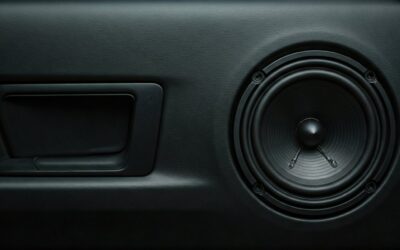
In a 2006 F-150, for example, you’ll need to pop off the small plastic cover behind the door handle and the one in the grab handle. There are usually two 7mm bolts at the bottom of the door and two behind those covers. Lift the panel straight up rather than pulling it out, as Ford uses “hooks” rather than just push-pins.
Disconnect the Old Speaker
Unscrew the four screws holding the factory speaker. Pull the speaker out and depress the clip on the wiring harness. This is where most people make the mistake of cutting wires. Don’t do it. Using a harness adapter preserves the factory plug and ensures correct polarity (positive to positive).
Wire the New 4-Ohm Speaker
Connect your Metra adapter to the new speaker terminals. The larger terminal is almost always positive (+). Since the can ford stock radio handle 4ohm speakers query is confirmed, you don’t need any special resistors or crossovers unless your new speakers are components with separate tweeters.
Test Before Reassembling
I’ve learned this the hard way: always turn the radio on and test the speaker before putting the door panel back on. Check for:
- Phase: Does the speaker move outward on a bass hit?
- Clarity: Is there any buzzing or distortion?
- Clearance: Ensure the window can roll down without hitting the back of the speaker magnet.
Expert Insights: Choosing the Right 4-Ohm Speaker for Ford
Not all 4-ohm speakers are created equal. Because the 06 Ford stock radio has limited power, I recommend specific brands that prioritize efficiency.
Top Recommendations for Stock Head Units:
- JBL Club Series: These are technically “3-ohm” speakers, but they are designed to be used with factory head units. They compensate for the thin factory wiring to deliver a true 4-ohm load at the amp.
- Kicker KS Series: These have incredibly high sensitivity. They sound loud and punchy even on the 12 watts coming from your Ford dash.
- Hertz Dieci: If you want “audiophile” sound without adding an external amplifier, these are the gold standard for efficiency.
Avoiding the “Underpowering” Trap
When I consult with clients, I tell them to ignore the “Max Power” rating on the box. That “500W MAX” is marketing fluff. Look for the Sensitivity rating (SPL). If a speaker has an 85dB sensitivity, your 2006 Ford radio will struggle to drive it. Look for 91dB or higher.
Common Challenges with 2006 Ford Audio Systems
The “Mach” Audio System Complication
If you have a Mustang with the Mach 460 or 1000 system, your radio does NOT directly power the speakers. It sends a signal to external amplifiers located in the trunk or under the dash. These systems often use 8-ohm woofers or 2-ohm subwoofers. Putting standard 4-ohm speakers in a Mach system can cause the amps to overheat or shut down.
Wiring Polarity and “Phase”
If you install your new 4-ohm speakers and they have less bass than the factory ones, they are likely “out of phase.” This happens when you swap the positive and negative wires on one side. The speakers “fight” each other, canceling out the low-end frequencies.
Heat Dissipation
While the can 06 ford stock radio handle 4ohm speakers answer is yes, running the radio at max volume for hours will generate heat. Factory radios aren’t great at shedding heat. If you plan on “cranking it” constantly, consider adding a small compact 4-channel amplifier behind the dash.
Frequently Asked Questions (FAQ)
Will 4-ohm speakers blow my 2006 Ford radio?
No. 4-ohm is the standard resistance for which the internal amplifier in a 2006 Ford radio is designed. It provides the safest balance of power and heat management.
Do I need an adapter to fit 6×9 speakers in my Ford?
Most 2006 Fords use a 6×8/5×7 inch oval speaker. While you can buy adapters to fit smaller 5.25 or 6.5-inch round speakers, a 6×9 usually requires cutting metal in the door, which I don’t recommend for beginners.
Why do my new 4-ohm speakers sound quiet?
This is usually due to low sensitivity. Stock Ford speakers are made of very light paper and are extremely efficient. High-quality aftermarket speakers have heavier magnets and stiffer cones, requiring more power to move. Choose a speaker with a 90dB+ sensitivity for the best results.
Can I use 2-ohm speakers on my stock Ford radio?
I do not recommend this. While it might make the radio louder initially, the 2-ohm load draws twice the current, which will likely overheat the internal amp of your 2006 Ford head unit and lead to premature failure.
What is the best way to connect the wires?
The best way is to use a vehicle-specific wiring harness (like the Metra 72-5600). It clicks into the Ford plug and provides slide-on terminals for your new speakers, requiring zero cutting or soldering.