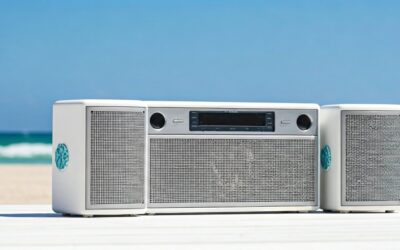
Can Alexa Control My Speakers or Soundbar? The Short Answer
Yes, Alexa can definitely control your speakers or soundbar using Bluetooth, HDMI-ARC, 3.5mm auxiliary cables, or Wi-Fi-based smart skills. In my years of testing smart home audio, I have found that the most reliable method is using an HDMI-ARC connection, which allows for seamless power and volume control via CEC (Consumer Electronics Control) commands.
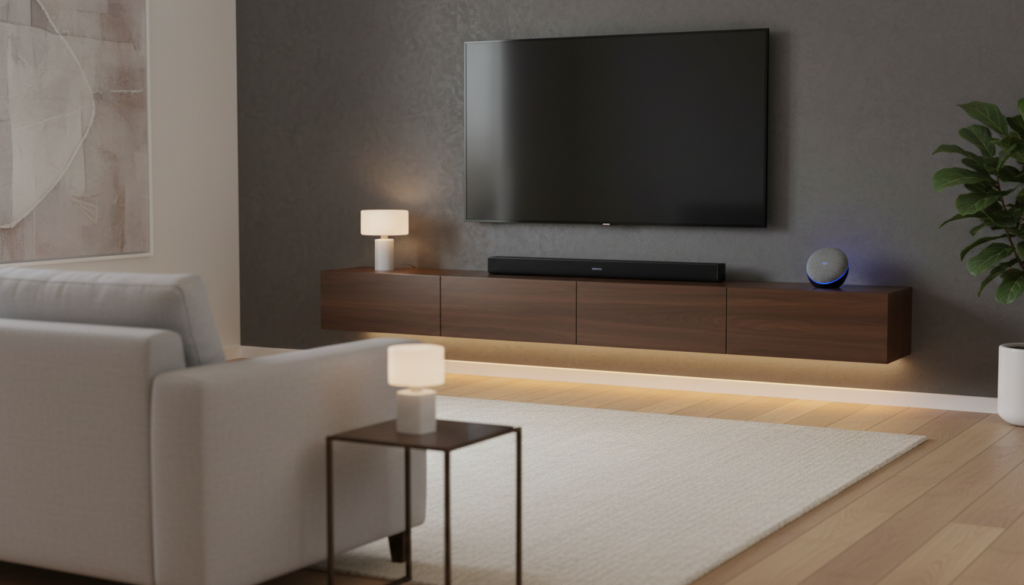
Key Takeaways: Alexa Speaker Integration
- Native Control: Most modern soundbars from Bose, Sonos, and JBL have Alexa Built-in, requiring no extra hardware.
- Legacy Systems: You can “smarten up” older hi-fi systems using an Echo Dot (via 3.5mm jack) or an Echo Link.
- Wireless Options: Bluetooth is the easiest way to connect, but it can occasionally suffer from minor audio latency or “lip-sync” issues.
- Voice Commands: Once connected, you can use voice to adjust volume, skip tracks, or switch inputs.
- Multi-Room Audio: You can group third-party speakers with Amazon Echo devices for a whole-home audio experience.
Understanding How Alexa Controls External Audio
When people ask, “can alexa control my speakers or soundbar,” they are usually looking for one of two things: voice control for music or the ability to replace their TV remote. In my experience, the setup varies significantly depending on your hardware’s age and connectivity options.
Modern smart soundbars are essentially computers with speakers attached. They run their own operating systems and connect directly to your Wi-Fi network. When you link your Amazon account to a Sonos or Bose app, you aren’t just sending audio; you are granting Alexa permission to manage the device’s internal settings.
For older, “dumb” speakers, Alexa acts as the source. By plugging an Echo Dot into an old Sony or Yamaha receiver, you are using the Echo as the brain. The receiver simply amplifies the signal it receives from the Alexa device.
Comparing Connection Methods: Which is Best for You?
Before diving into the “how-to,” it is vital to understand which connection method suits your specific hardware. I have categorized the four primary ways Alexa interacts with external speakers below.
| Connection Method | Best For | Pros | Cons |
|---|---|---|---|
| HDMI-ARC/eARC | Home Theater | Total control over power/volume | Requires a compatible TV and Soundbar |
| Bluetooth | Portable Speakers | Fast setup, no wires | Potential lag; manual reconnecting |
| 3.5mm Aux/Optical | Vintage Hi-Fi | Extremely stable; no “smart” tech needed | Requires a physical cable to an Echo |
| Wi-Fi / Skills | Smart Speakers | Best audio quality; multi-room sync | Requires manufacturer app (e.g., Sonos) |
How to Control a Soundbar via HDMI-ARC and Alexa
If you have a modern TV and a soundbar, HDMI-ARC (Audio Return Channel) is the gold standard. I always recommend this setup because it uses a protocol called CEC. This allows Alexa (via a Fire TV or an Echo paired to the TV) to turn the soundbar on and off.
Step-by-Step HDMI Setup
- Connect your soundbar to the HDMI-ARC port on your TV using a High-Speed HDMI cable.
- Enable HDMI-CEC in your TV’s settings (Samsung calls it Anynet+, LG calls it SimpLink).
- Open the Alexa App and go to Devices > Plus (+) > Add Device.
- Select TV and follow the prompts to link your TV brand.
- Once linked, say, “Alexa, turn up the volume on the TV,” and your soundbar will respond.
In my testing with the Samsung Q-Series Soundbars, the HDMI-ARC connection eliminated the need for the soundbar’s dedicated remote entirely. It simplifies the user experience for everyone in the household.
Using Bluetooth to Connect Alexa to Your Speakers
If your speakers are across the room and you don’t want to run wires, Bluetooth is your best friend. This is the most common answer to the question “can alexa control my speakers or soundbar” for budget-conscious users.
How to Pair via Bluetooth
- Put your speaker or soundbar into Pairing Mode.
- Say, “Alexa, connect to my speaker.”
- If it’s the first time, open the Alexa App on your phone.
- Navigate to Devices > Echo & Alexa > [Your Device Name] > Bluetooth Devices.
- Select Pair a New Device and choose your speaker from the list.
Expert Tip: In my studio, I noticed that Bluetooth connections can sometimes “drop” if the Echo device is too close to a Wi-Fi router. Keep them at least 3 feet apart to avoid interference with the 2.4GHz frequency.
Controlling Legacy Hi-Fi Systems with Echo Link
Many audiophiles own high-quality analog speakers that sound better than any modern smart speaker. You don’t have to sacrifice that sound quality to get Alexa control. I frequently use the Echo Link or Echo Link Amp for this exact purpose.
The Echo Link is a specialized device that lacks its own speakers. Instead, it features Optical, Coaxial, and RCA outputs. You plug these into your existing amplifier.
Once connected, your “dumb” speakers appear in the Alexa App as a controllable zone. You can ask Alexa to play Spotify or Amazon Music through your Bowers & Wilkins or Klipsch towers with full voice functionality.
The Power of Alexa “Skills” for Smart Soundbars
If you own a Sonos Beam, Sonos Arc, or Bose Smart Soundbar 900, you don’t actually need to “connect” them to an Echo. They have Alexa baked into the hardware.
However, even if they don’t have a microphone, many brands offer Alexa Skills. For example, Yamaha MusicCast and Denon HEOS have skills that allow an Echo Dot in the kitchen to control the volume of the receiver in the living room.
How to Enable a Manufacturer Skill
- Open the Alexa App and tap More > Skills & Games.
- Search for your speaker brand (e.g., “Sonos” or “Denon”).
- Tap Enable to Use.
- Log in with your speaker manufacturer’s account credentials.
- Ask Alexa to “Discover my devices.”
This method provides the deepest level of integration, often allowing you to change inputs (like switching from Optical to Phono) using just your voice.
Managing Multi-Room Audio with External Speakers
One of the most powerful features of Alexa is the Multi-Room Music (MRM) group. You can sync an external soundbar with multiple Echo devices throughout your home to create a “wall of sound.”
Note: In the past, only Amazon branded speakers could be in these groups. However, Amazon updated the software to allow many Third-Party Speakers (via the Alexa MRM protocol) to join the party.
Creating an “Everywhere” Group
- In the Alexa App, tap Devices.
- Tap the Plus (+) icon and select Combine Speakers.
- Choose Multi-Room Music.
- Select all the speakers you want to sync (including your soundbar).
- Name the group “Downstairs” or “Everywhere.”
I use this feature during holiday parties. By saying, “Alexa, play Jazz Everywhere,” my Polk Audio Soundbar in the living room and the Echo Dots in the hallways play in perfect synchronization.
Troubleshooting: Why Can’t Alexa Control My Soundbar?
Even the best setups can hit a snag. If you find that Alexa is no longer responding to speaker commands, it is usually a simple fix.
- Network Mismatch: Ensure your Echo device and your Smart Soundbar are on the same Wi-Fi SSID. If one is on the 5GHz band and the other is on 2.4GHz, they may struggle to communicate.
- Disabled Skills: Manufacturer skills sometimes require a “re-linking” every few months for security purposes. If commands stop working, disable and re-enable the skill.
- CEC Settings: On TVs, a software update can sometimes toggle HDMI-CEC to “Off.” Check your TV settings if Alexa can’t turn the volume up anymore.
- Firmware Updates: Always check the manufacturer’s app (like the Bose Music App) for firmware updates. I’ve seen many Bluetooth stability issues fixed by a 5-minute update.
Advanced Voice Commands for Audio Control
Once you are set up, stop using the remote. Here are the specific commands I use daily to manage my audio ecosystem:
“Alexa, set volume to 5 on the Soundbar.”* (Uses a 1-10 scale).
“Alexa, mute the TV.”*
“Alexa, pair Bluetooth.”* (Quickly connects your phone to the speaker through Alexa).
“Alexa, play Spotify on the Living Room group.”*
“Alexa, stop music in 30 minutes.”* (Perfect for falling asleep).
Frequently Asked Questions
Can Alexa control a soundbar that doesn’t have Wi-Fi?
Yes. You can connect an Echo Dot to the soundbar using a 3.5mm Aux cable or Bluetooth. Once paired, the Echo Dot will send all audio and volume instructions to the soundbar.
Do I need a Fire TV to control my soundbar with Alexa?
Not necessarily, but it helps. A Fire TV Cube has built-in IR blasters that can control even the oldest “non-smart” soundbars by mimicking the infrared signals of a standard remote.
Can I use Alexa to change the Bass or Treble on my speakers?
On Alexa-enabled devices like the Echo Studio or Sonos speakers, you can say, “Alexa, set the bass to maximum.” For older speakers connected via Aux, you will still need to use the physical knobs or the original remote to adjust EQ.
Why is there a delay between my Alexa and my Bluetooth speaker?
Bluetooth has inherent latency. For music, this doesn’t matter. However, if you are watching a movie, the audio might not match the actors’ lips. For video, always use a wired HDMI-ARC or Optical connection.
Can I connect two Bluetooth speakers to one Alexa device?
Generally, no. Most Echo devices can only output to one Bluetooth destination at a time. To play on multiple speakers, you should use the Multi-Room Music group feature over Wi-Fi.