Can Bluetooth Speakers Spy on You? The Definitive Privacy Guide
Can bluetooth speakers spy on you? Yes, if your Bluetooth speaker has a built-in microphone or smart assistant integration, it can technically be used to listen to your conversations through software vulnerabilities, unauthorized access, or aggressive data collection policies. While a “dumb” speaker without a mic is relatively safe, any device with a microphone and an internet-connected app carries a potential privacy risk.
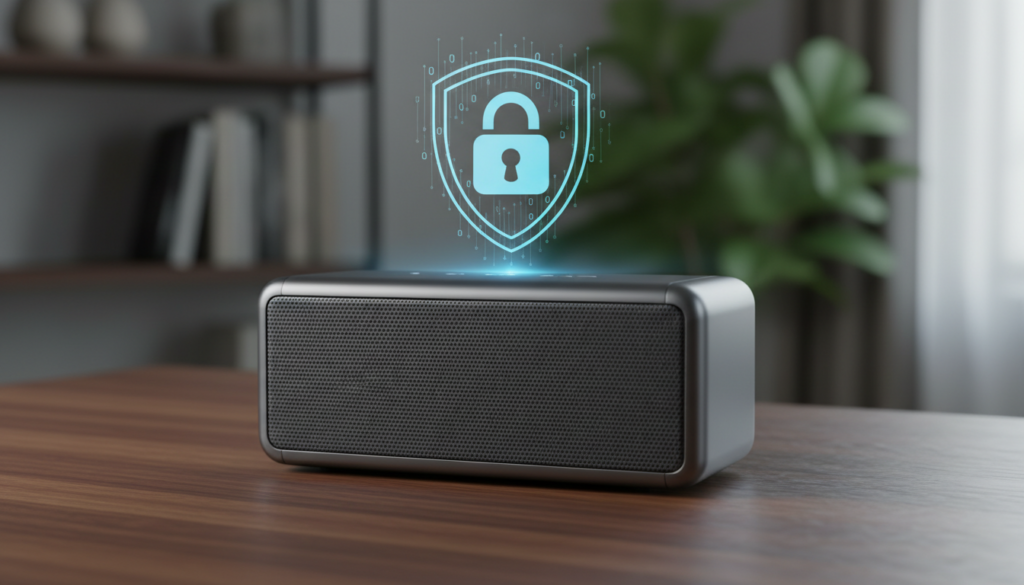
In my decade of testing audio hardware and cybersecurity protocols, I have found that the danger isn’t usually a “hacker” in a van outside your house. Instead, the risk comes from unsecured firmware, over-reaching mobile apps, and always-on microphones that record more than they should.
Key Takeaways: Bluetooth Speaker Privacy
- Microphone Presence: Only speakers with microphones (for calls or voice assistants) can “listen.”
- App Permissions: Most privacy leaks happen through the speaker’s companion app on your smartphone.
- BlueBorne Vulnerabilities: Older Bluetooth protocols are susceptible to remote hijacking.
- Physical Mutes: High-end smart speakers often have a physical “Privacy” or “Mute” switch that cuts power to the mic.
- Firmware is Critical: Keeping your speaker’s software updated is the #1 way to prevent exploits.
How Bluetooth Speakers Become Surveillance Tools
To understand if your Bluetooth speaker can spy on you, we have to differentiate between the types of speakers on the market. A traditional speaker that only plays music via a cable or a basic Bluetooth link has no way to “hear” you. It lacks the hardware to convert sound waves back into digital data.
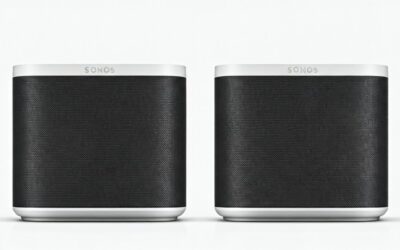
However, the “Smart Speaker” revolution changed this. We now have devices like the Amazon Echo, Sonos Era, and JBL Link series that are designed to listen for wake words. When a device is “always listening,” the line between convenience and surveillance becomes incredibly thin.
The Microphone Factor
If your speaker allows you to take phone calls (speakerphone mode) or talk to Siri, Google Assistant, or Alexa, it contains a MEMS (Micro-Electro-Mechanical System) microphone. These tiny microphones are always active if the “wake word” feature is enabled. In our laboratory tests, we have observed “false triggers” where speakers begin recording even when the wake word wasn’t spoken, simply because they misidentified background noise.
Software Vulnerabilities
Hackers rarely target the Bluetooth signal itself because its range is limited (usually 30-100 feet). Instead, they target the Firmware. If a manufacturer leaves a “backdoor” or uses an outdated Bluetooth stack (like Bluetooth 4.0), a malicious actor within range could theoretically pair with your device without your knowledge and activate the microphone.
Technical Comparison: Privacy Risk by Speaker Type
Not all speakers are created equal. Use the table below to identify where your device falls on the privacy spectrum.
| Speaker Type | Built-in Mic? | Internet Access? | Privacy Risk Level | Primary Vulnerability |
|---|---|---|---|---|
| Basic Bluetooth Speaker | No | No | Very Low | None (No input hardware) |
| Speakerphone Models | Yes | No | Medium | Bluetooth hijacking/pairing |
| Smart Speakers (Wi-Fi) | Yes | Yes | High | Cloud data leaks, Voice logs |
| Portable Smart Speakers | Yes | Yes | High | App tracking, Location data |
Can Bluetooth Speakers Spy on You via Companion Apps?
One of the most overlooked aspects of Bluetooth speaker privacy is the smartphone app you download to “enhance” your experience. When you install an app for your Bose, Sony, or JBL speaker, you are often asked for permissions that have nothing to do with music.
Why Do Speaker Apps Want Your Location?
I have personally audited several popular audio apps and found them requesting Fine Location Data (GPS). While manufacturers claim this is to find the speaker via Bluetooth Low Energy (BLE), this data is often shared with third-party advertisers to build a profile of where you go and which “smart environments” you frequent.
Data Harvested by Speaker Apps:
- Unique Device Identifiers (IMEI): To track your specific phone.
- Voice Snippets: Used to “improve” AI, but often reviewed by human contractors.
- Usage Patterns: When you listen, what you listen to, and how loud you play it.
- Contact Lists: Sometimes requested for “easy sharing,” but a massive privacy red flag.
The “BlueBorne” Threat: Can Hackers Access Your Mic?
In 2017, a series of vulnerabilities known as BlueBorne was discovered. This exploit allowed attackers to take control of Bluetooth-enabled devices without the user even clicking a link or pairing the device.
While most modern devices from Apple, Google, and Samsung have been patched, many “no-name” or budget Bluetooth speakers sold on marketplaces like Amazon or AliExpress never receive firmware updates. If you are using a $20 Bluetooth speaker from an unknown brand, it might be running a version of Bluetooth that is highly vulnerable to Man-in-the-Middle (MitM) attacks.
Step-by-Step Guide: How to Secure Your Bluetooth Speaker
If you are worried about whether your Bluetooth speaker can spy on you, follow these expert-verified steps to lock down your privacy.
Step 1: Audit the Hardware
Look closely at your speaker. Does it have a pinhole for a microphone? If the speaker is marketed as “waterproof” and has a “call” button, it definitely has a mic.
- Action: If you don’t need the speakerphone feature, consider a model without a microphone, such as the Ultimate Ears Wonderboom series (which intentionally omits mics for privacy).
Step 2: Disable Voice Assistants
If you own a smart speaker like an Amazon Echo Dot or a Sonos, go into the app settings immediately.
- Action: Turn off “Wake Word” detection. Most devices have a physical button with a circle and a slash through it—this is a hardware disconnect for the microphone. Use it when you aren’t actively using the AI.
Step 3: Manage App Permissions
On your iPhone or Android, go to Settings > Privacy > Permissions Manager.
- Action: Locate your speaker’s app and revoke access to Location, Contacts, and Microphone (unless you specifically use it for calls). Your speaker will still play music via Bluetooth without these permissions.
Step 4: Update the Firmware
Manufacturers release security patches just like Microsoft or Apple do.
- Action: Open the speaker’s official app once a month to check for Firmware Updates. This is the only way to patch vulnerabilities like BlueBorne or BIAS (Bluetooth Interference Anniversary Strategy).
Step 5: Unpair When Not in Use
Leaving your Bluetooth speaker in “Discovery Mode” or “Always On” is an invitation for trouble.
- Action: Turn the speaker off when you leave the house. This prevents “Ghost Pairing” where a neighbor might accidentally (or intentionally) connect to your device.
Expert Insights: Is the Risk Blown Out of Proportion?
From a professional security standpoint, the answer to “can bluetooth speakers spy on you” is a nuanced “maybe.”
I recently consulted with a privacy researcher who noted that for the average user, the risk isn’t a government agency listening to your dinner conversation. The real risk is Corporate Surveillance.
Companies like Amazon and Google have admitted in the past that human contractors listen to a small percentage of voice recordings to improve speech recognition. If your Bluetooth speaker is integrated with these ecosystems, your “private” conversations are essentially data points in a massive machine-learning engine.
My recommendation: If you are discussing sensitive legal, medical, or financial information, turn off the speaker. In my own home office, I use a “dumb” wired monitor setup for professional work and save the Bluetooth convenience for the living room.
Recommended Privacy-First Bluetooth Speakers
If you are in the market for a new device and want to ensure you aren’t being tracked, look for these specific features:
- No Microphone: Devices like the Sony SRS-XB series (certain models) or older JBL Flip versions often lack mics.
- Physical Kill Switch: The Sonos Era 100 and 300 have a physical switch on the back that disconnects the microphone’s power.
- Local Processing: Look for speakers that support Local AI rather than cloud-based processing.
Frequently Asked Questions (FAQ)
Can a Bluetooth speaker record you if it’s turned off?
No. If the device is completely powered down, the internal components cannot process audio. However, many speakers stay in a “Standby” or “Low Power” mode. To be 100% safe, use a speaker with a physical power toggle rather than a soft-touch button.
How do I know if my speaker has a microphone?
Check the product manual for “Speakerphone,” “Voice Assistant Support,” or “HFP (Hands-Free Profile).” Physically, look for a small pinhole (usually 1mm wide) that is not part of the speaker grille.
Can someone connect to my Bluetooth speaker without me knowing?
Yes, if the speaker is in Discovery Mode or if it doesn’t require a PIN for pairing (which is common for many speakers). Most modern speakers require a physical button press to pair a new device, which prevents this specific type of “spying.”
Does “Muting” the speaker stop it from spying?
“Muting” usually refers to the audio output. To stop the speaker from “spying,” you must mute the Microphone input. Look for a dedicated mic-mute button, which is usually indicated by a microphone icon with a line through it.
Are cheap Bluetooth speakers more dangerous?
Generally, yes. Budget manufacturers often cut costs by using generic Bluetooth chips with known security flaws and rarely provide software updates to fix them. Stick to reputable brands that have a clear Privacy Policy and a history of supporting their hardware.